







What's Happening?
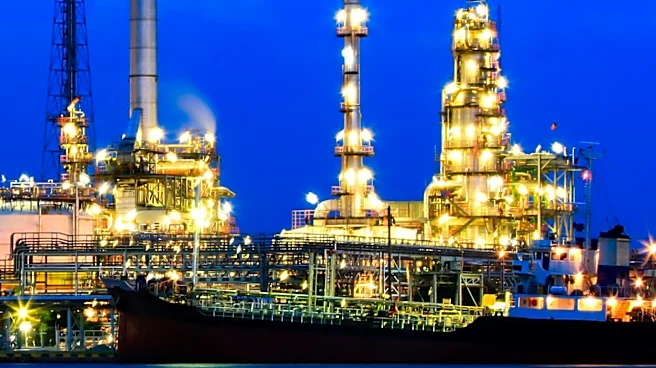
Refining margins have reached unprecedented levels as diesel and gasoline prices continue to rise. This surge is attributed to disrupted traffic through the Strait of Hormuz and increased attacks on Russian refiners by Ukraine. These geopolitical tensions
have significantly impacted the futures market for gasoline and diesel, driving the 3-2-1 crack spread to record highs. The 3-2-1 crack spread is a key indicator in the oil industry, representing the difference between the price of crude oil and the prices of refined products like gasoline and diesel. The current situation highlights the vulnerability of global oil supply chains to geopolitical disruptions, which can lead to significant fluctuations in refining margins and fuel prices.
Why It's Important?
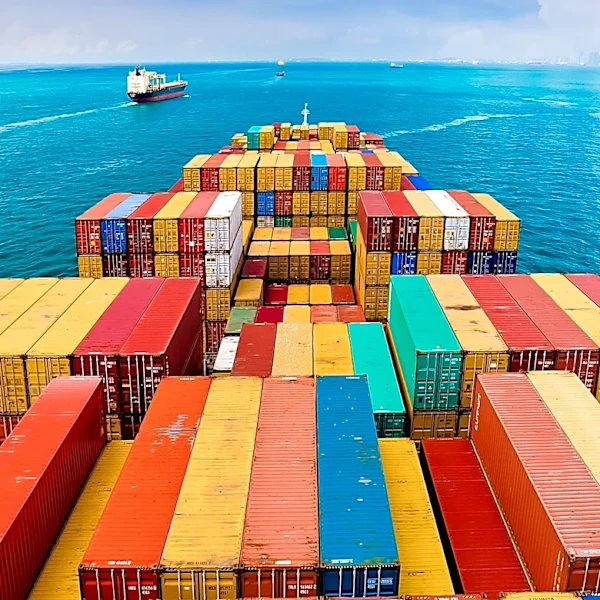
The rise in refining margins and fuel prices has broad implications for the U.S. economy and consumers. Higher gasoline and diesel prices can lead to increased transportation costs, affecting everything from shipping goods to daily commuting expenses. This can contribute to inflationary pressures, as businesses may pass on higher costs to consumers. Additionally, the situation underscores the importance of energy security and the need for diversified energy sources to mitigate the impact of geopolitical tensions on fuel supply and prices. Industries reliant on transportation and logistics are particularly vulnerable, and the current scenario may prompt policymakers to reassess energy strategies and consider measures to stabilize fuel markets.
What's Next?
If geopolitical tensions persist, refining margins and fuel prices may remain elevated, potentially leading to further economic repercussions. Stakeholders, including government agencies and energy companies, may need to explore alternative supply routes or increase domestic production to alleviate pressure on the market. Additionally, there could be increased focus on renewable energy sources and energy efficiency measures as long-term solutions to reduce dependency on volatile oil markets. Monitoring geopolitical developments and their impact on global oil supply will be crucial for anticipating future market trends and making informed policy decisions.