







What's Happening?
The classic television series 'Little House on the Prairie,' known for its cozy pioneer drama, also featured numerous extreme and dark storylines that have left viewers stunned. These episodes included a range of intense events such as kidnapping, a gruesome
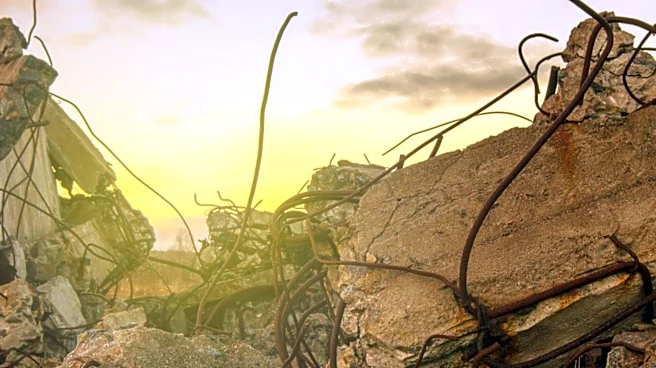
self-surgery attempt by Ma Ingalls, Laura pushing Nellie Oleson down a hill in a wheelchair, and a town being blown up with dynamite. The show, which aired for nine seasons, often ventured into themes of assault, the death of children, and addiction, contrasting with its generally wholesome image. For instance, one episode depicted a teenage girl giving birth in secret and abandoning her baby, while another featured a masked attacker storyline. The series finale notably involved the town of Walnut Grove being intentionally detonated by its residents.
Why It's Important?
The revelation of these darker storylines challenges the perception of 'Little House on the Prairie' as solely a family-friendly, comforting show. It highlights how television content, even in seemingly innocuous genres, can explore complex and disturbing themes. This contrast between public perception and actual content can influence how audiences view historical television programming and the creative liberties taken by show creators. The show's enduring popularity, evidenced by its high streaming numbers and dedicated fan base, suggests that these intense episodes did not deter viewers but rather added layers of depth and memorability. For the entertainment industry, it demonstrates that even beloved shows can push boundaries and tackle difficult subjects, potentially broadening the scope of what is considered acceptable for mainstream audiences.
What's Next?
The continued streaming success and recent Netflix reboot of 'Little House on the Prairie' indicate a sustained interest in the series. As new audiences discover the show and existing fans re-watch it, discussions around these controversial episodes are likely to persist. This could lead to renewed critical analysis of the show's narrative choices and its impact on viewers, particularly in the context of modern sensibilities regarding on-screen violence and mature themes. The show's legacy may evolve to include a greater appreciation for its willingness to tackle difficult subjects, rather than solely being remembered for its idyllic portrayal of pioneer life. Future reboots or adaptations might draw inspiration from these darker elements, aiming to create more complex and nuanced narratives.
Beyond the Headlines
The inclusion of such extreme plots in 'Little House on the Prairie' raises questions about the evolving standards of television content and audience expectations. The show's ability to weave in elements like child abduction, attempted self-amputation, and drug addiction within a family drama format suggests a broader acceptance of darker themes in earlier television than often remembered. This also reflects on the creative freedom afforded to showrunners like Michael Landon, who reportedly made the decision to blow up the town in the finale due to his dissatisfaction with NBC. This act of demolishing the set in the series finale serves as a powerful statement on artistic control and the relationship between creators and networks, highlighting a dramatic end to a beloved series that went beyond typical narrative conclusions.