




What's Happening?
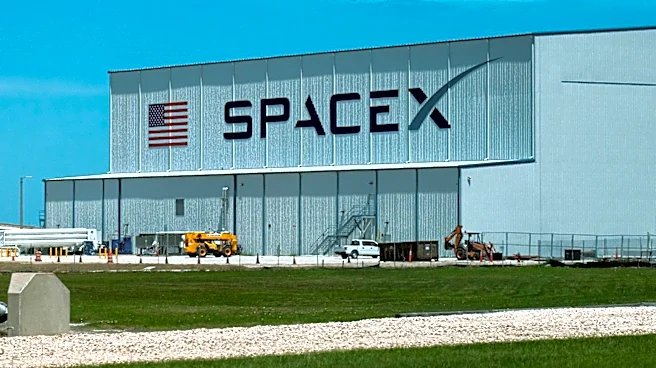
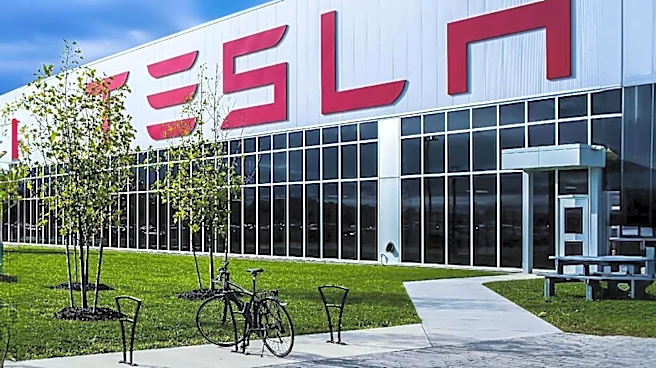
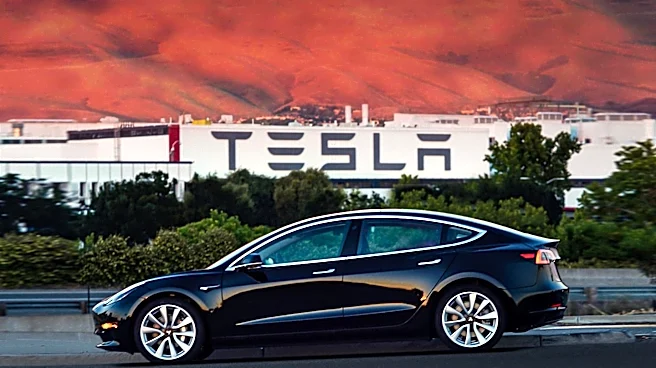
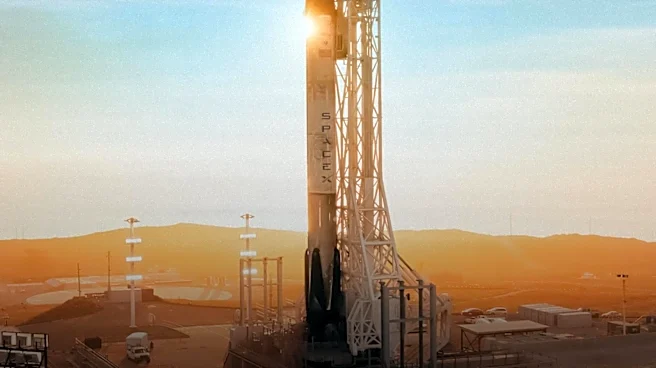
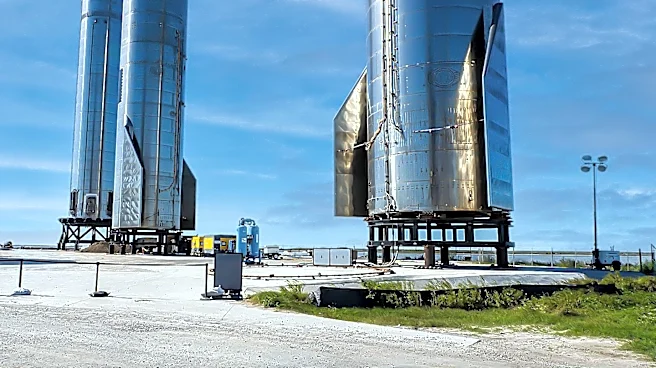
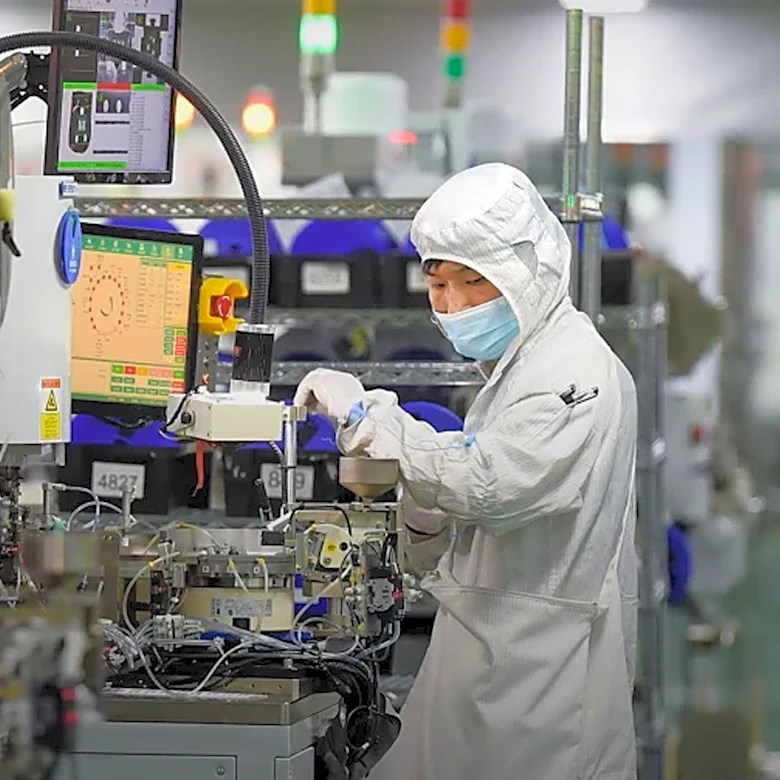
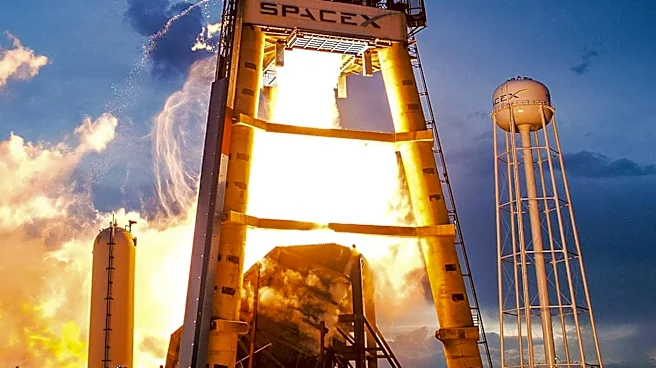
Intel has announced a joint venture with SpaceX and Tesla to establish a semiconductor fabrication facility in Texas, known as the Terafab project. This facility aims to produce chips for next-generation robotics and autonomous vehicle platforms utilized
by SpaceX and Tesla. The collaboration underscores the companies' efforts to secure chip supply for AI hardware and advanced manufacturing within North America. Intel's involvement positions it as a key foundry partner for high-profile industrial and automotive applications that require custom silicon. The Terafab project aligns with Intel's strategy to expand its role in AI and foundry services, reinforcing its position as a trusted manufacturing platform for AI and automation workloads.
Why It's Important?
The joint venture between Intel, SpaceX, and Tesla is significant as it strengthens Intel's position in the AI and automotive sectors, potentially increasing its influence in the global chip industry. By securing a direct role in the chip supply chain for Tesla vehicles and SpaceX robotics, Intel can enhance its foundry services and deepen its relationships in AI hardware. This move could lead to increased external foundry volume and more robust AI hardware partnerships, which are crucial for Intel's growth strategy. The project also highlights the importance of domestic chip production in the U.S., reducing reliance on international supply chains and potentially boosting the local economy.
What's Next?
The success of the Terafab project will depend on the number of concrete chip programs and wafers routed through the Texas facility. As the framework is currently non-binding, Intel's future gains will hinge on the project's execution and the volume of production. The partnership may prompt other tech companies to consider similar collaborations, potentially leading to more domestic chip manufacturing initiatives. Stakeholders will likely monitor the project's progress closely, assessing its impact on the AI and automotive industries and its contribution to Intel's strategic goals.