


What's Happening?
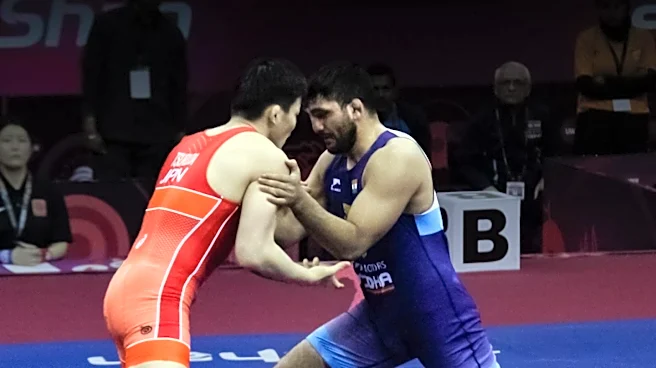
WWE had significant plans for Olympic gold medalist Gable Steveson, intending to give him a debut push similar to that of Brock Lesnar. These plans included an early appearance at WrestleMania. However, Steveson did not develop quickly enough to meet
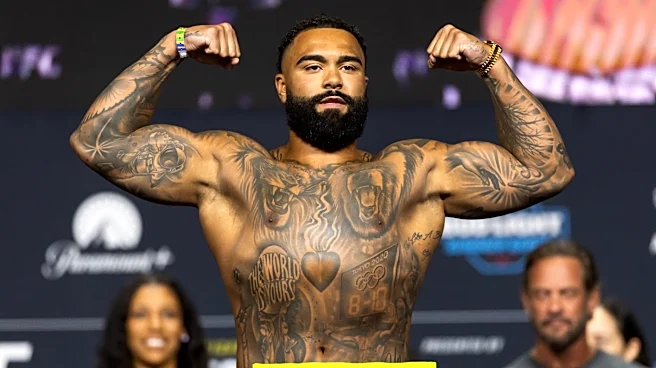
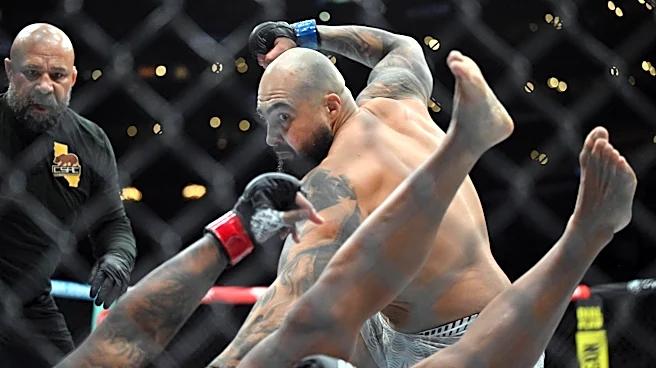
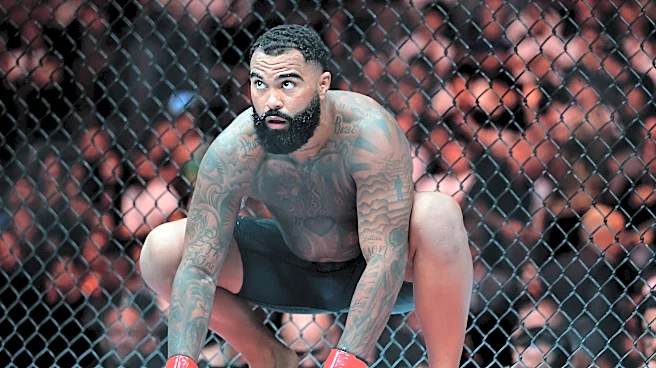
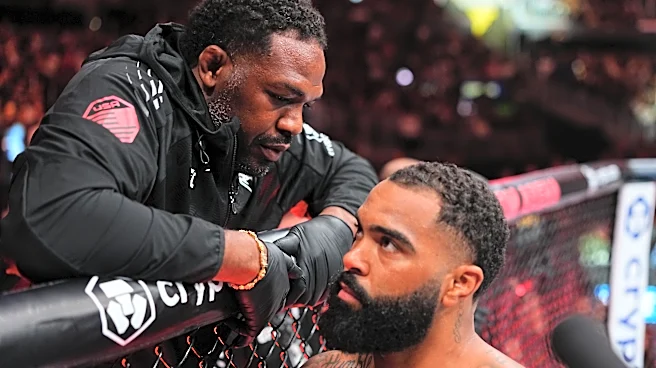
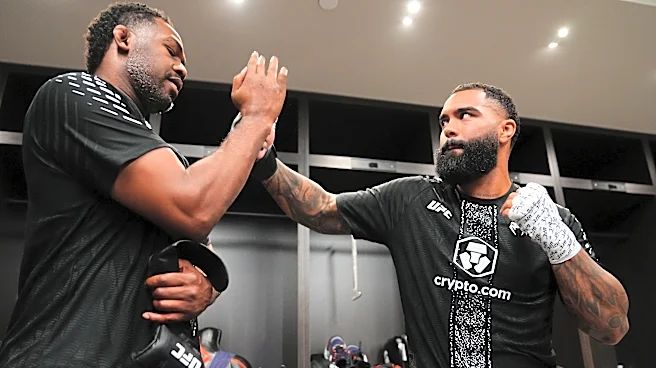
WWE officials' expectations for such a high-profile position. According to Dave Meltzer on Wrestling Observer Radio, Steveson struggled with promo work and lacked charisma, despite working multiple matches with Trevor Lee during his development. Internal comparisons reportedly showed Steveson lagging behind the progress of his brother, Bobby Steveson, and Bron Breakker. WWE reportedly felt Steveson was not putting in the necessary effort to reach the expected level, leading to a reevaluation of his contract, as the company no longer felt justified in paying him a main-roster salary while he remained in developmental. Steveson, who signed with WWE in 2021, was eventually released in May 2024 and has since transitioned to mixed martial arts, suffering a knockout loss in his UFC debut.
Why It's Important?
This situation highlights the significant investment and high expectations WWE places on athletes with legitimate amateur wrestling backgrounds, particularly Olympic medalists, aiming to replicate past successes like Brock Lesnar's. The failure of Steveson's push underscores the multifaceted demands of professional wrestling, which extend beyond athletic prowess to include charisma, promo skills, and consistent in-ring development. For WWE, this represents a missed opportunity to cultivate a new top-tier star from an Olympic background, potentially impacting future recruitment strategies for similar athletes. It also demonstrates the company's willingness to cut ties with talent, even those with considerable initial investment, if they do not meet specific performance and developmental benchmarks. For Steveson, the transition to MMA after his WWE release indicates a shift in his athletic career path, reflecting the challenges of adapting to the unique requirements of professional wrestling entertainment.
What's Next?
Following his release from WWE in May 2024, Gable Steveson has already transitioned to mixed martial arts, suffering a knockout loss in his UFC debut. His immediate future will likely involve further attempts to establish himself in the MMA world, potentially seeking to improve his performance and secure more fights. For WWE, the experience with Steveson may influence how they approach signing and developing future Olympic or amateur wrestling talents. They might implement more rigorous assessment processes for non-wrestling skills like promo delivery and character development earlier in the training pipeline. The company may also adjust contract structures for developmental talents to better align with their progress and readiness for the main roster, rather than offering high-level contracts prematurely. This could lead to a more cautious and phased approach to integrating highly touted prospects into their system.
Beyond the Headlines
The case of Gable Steveson reveals the inherent tension between legitimate athletic achievement and the entertainment-driven nature of professional wrestling. While an Olympic gold medal signifies unparalleled athletic skill, it does not automatically translate into success in WWE, which requires a unique blend of performance art, character work, and audience connection. This situation also touches upon the broader challenge faced by sports entertainment companies in identifying and nurturing talent that can resonate with a mass audience. The comparison to Brock Lesnar, a rare crossover success, sets an exceptionally high bar, and the inability to meet it, despite significant investment, highlights the difficulty of replicating such a phenomenon. It also raises questions about the pressure placed on young athletes entering a highly scrutinized public arena and the psychological and professional adjustments required to transition between different forms of competitive performance.