

What's Happening?
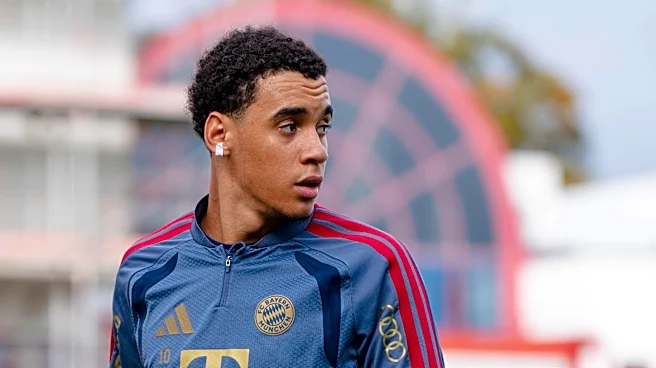
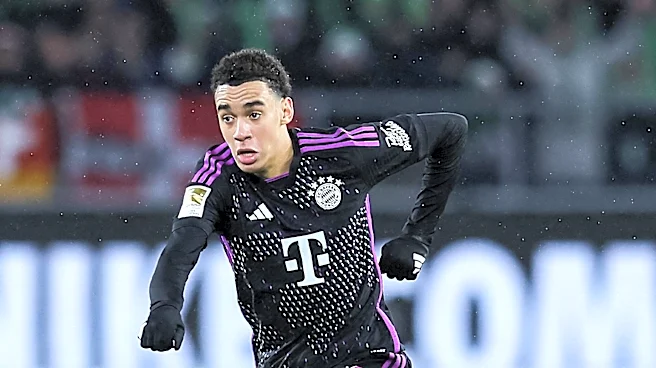
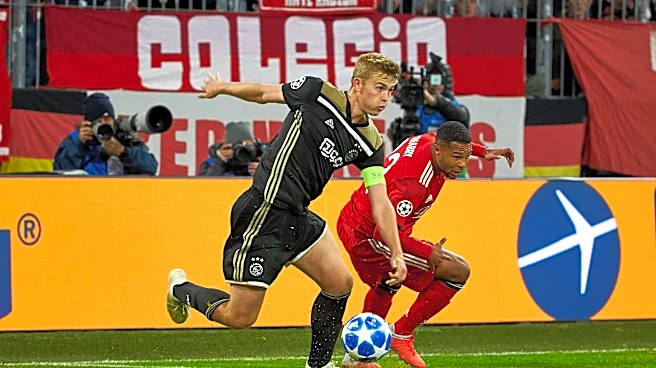
Uli Hoeneß, the honorary president of Bayern Munich, has publicly expressed doubts regarding Jamal Musiala's ability to regain his previous performance level. Musiala, a 23-year-old Germany international, experienced two collapses during pre-season and
was subsequently diagnosed with a treatable 'neurological dysfunction.' Hoeneß stated that while the illness can be managed with medication, he is uncertain if Musiala will ever return to his former peak. This public questioning has reportedly caused internal frustration within Bayern Munich, particularly as Musiala's most recent absence was due to a muscle injury, not a neurological episode. Reports indicate that Musiala has not had a neurological episode in approximately two months, his medication has been adjusted, and doctors are optimistic about his full recovery. However, the medication is said to initially slow down his play.
Why It's Important?
The public comments from a prominent figure like Uli Hoeneß about a key player's health and future performance can significantly impact team morale, player confidence, and market perception. For Musiala, who is under contract until 2030 and reportedly earns up to €25 million annually, these remarks introduce an element of uncertainty regarding his long-term value and role within the club. While Bayern Munich's coach, Vincent Kompany, continues to view Musiala as a crucial 'difference-maker,' the financial implications of a high-value contract coupled with health concerns could lead to difficult decisions for the club's management. The situation highlights the delicate balance between player welfare, team performance, and financial investment in professional sports.
What's Next?
Jamal Musiala recently returned to team training after recovering from a muscle fiber tear, though his rehabilitation faced a setback with renewed pain during a conditioning session. The immediate focus will be on his full physical recovery and reintegration into the squad. His medical team remains optimistic about his return to previous levels, and coach Vincent Kompany continues to support him. However, the ongoing management of his neurological condition and the potential effects of his medication on his play will be closely monitored. The club will need to navigate the public discourse surrounding his health while ensuring his well-being and maximizing his potential contribution on the field. The situation could also influence future contract negotiations or transfer market interest, depending on his sustained performance.
Beyond the Headlines
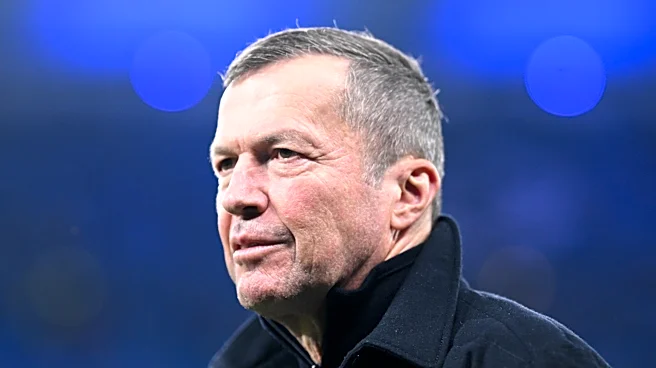
This situation delves into the ethical considerations surrounding public statements about an athlete's private health matters, especially when made by influential club figures. While Hoeneß's intentions might have been to motivate Musiala, as suggested by former captain Lothar Matthäus, such comments can inadvertently add pressure and scrutiny to a player dealing with a serious health issue. It also underscores the intense financial and performance pressures in elite sports, where a player's health can directly impact their career trajectory and a club's investment. The case could prompt broader discussions within sports organizations about communication protocols regarding player health and the support systems in place for athletes facing long-term medical conditions.