





What's Happening?
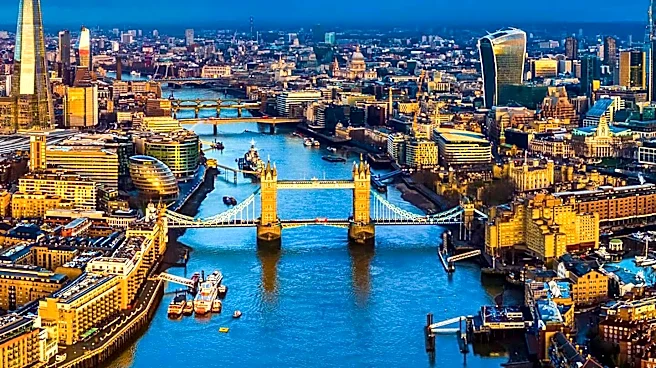
London is being highlighted as a premier bucket list destination, particularly noted for its extensive array of attractions, many of which are free. According to Under30Experiences, the city offers numerous famous sights like Big Ben, Buckingham Palace,
and the London Eye, alongside a wide selection of free museums such as the National Gallery, National History Museum, Science Museum, and the British Museum. The city also boasts free art galleries, walking tours, and historic palaces. Beyond its historical and cultural offerings, London is recognized for its spectacular skyline, featuring iconic buildings like St Paul’s Cathedral and modern structures that provide panoramic views. The city's culinary scene is diverse, with a wide range of bars and restaurants, and its theater scene is considered among the best globally, attracting top talent and offering a variety of performances. Additionally, London provides a vibrant shopping experience and numerous sporting events, including English Premier League football matches and prestigious venues like Wimbledon.
Why It's Important?
The prominence of London as a top travel destination underscores a broader trend in tourism where travelers seek rich cultural experiences and diverse entertainment options. The availability of numerous free attractions makes London an appealing choice for a wide range of budgets, potentially increasing tourist traffic and boosting local economies through spending on accommodation, dining, and shopping. For the U.S. travel industry, this trend could influence outbound tourism patterns, with more Americans opting for destinations that offer a blend of historical significance, modern amenities, and accessible activities. The city's appeal to various interests, from arts and culture to sports and culinary exploration, positions it as a strong competitor in the global tourism market, potentially drawing visitors who might otherwise consider domestic U.S. destinations. This also highlights the economic impact of cultural institutions and public spaces that offer free access, contributing significantly to a city's attractiveness.
What's Next?
As London continues to be promoted as a leading travel destination, it is likely to see sustained or increased tourism, particularly from younger demographics and those seeking value-driven experiences. The city's tourism boards and related businesses may further emphasize its free attractions and diverse offerings in marketing campaigns. This could lead to continued investment in public cultural institutions and infrastructure to support the influx of visitors. For U.S. travelers, tour operators and travel agencies might develop more packages that highlight London's unique blend of history, culture, and modern entertainment. The ongoing appeal of London could also inspire other major global cities to enhance their free and accessible attractions to compete for international tourism dollars.
Beyond the Headlines
The emphasis on London's free attractions points to a deeper cultural and economic strategy that values public access to arts and history. This approach not only democratizes cultural experiences but also fosters a sense of community and national pride. The city's ability to blend historical grandeur with contemporary vibrancy, from ancient palaces to modern skyscrapers and diverse culinary trends, reflects a dynamic urban environment. This blend contributes to London's enduring appeal as a global hub, influencing cultural exchange and setting benchmarks for urban development and tourism. The success of London in attracting visitors through its diverse offerings also highlights the importance of continuous innovation in the tourism sector, adapting to evolving traveler preferences for authentic, engaging, and often budget-friendly experiences.