





What's Happening?
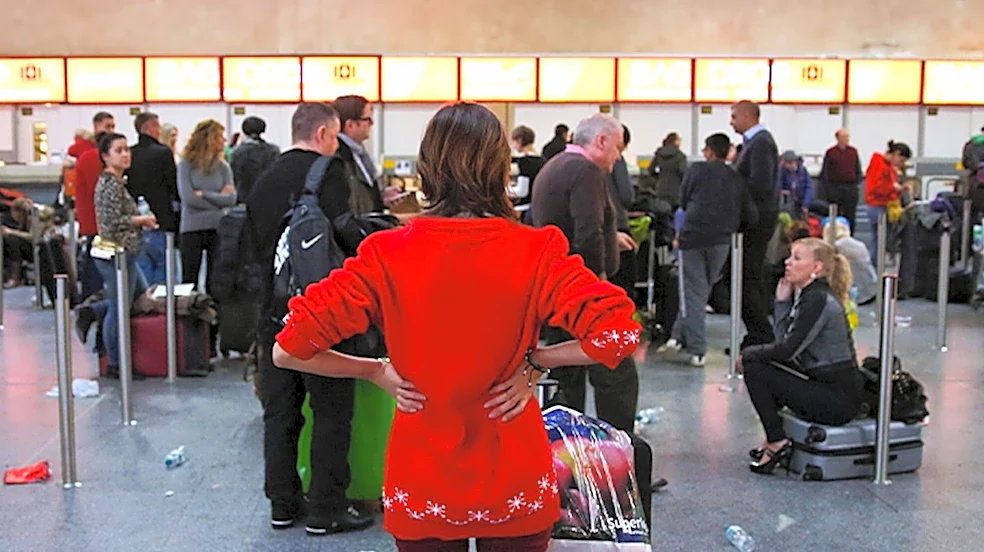
Airport lounges, once exclusive havens for premium travelers, are experiencing significant overcrowding due to expanded access through credit cards, loyalty programs, and paid entry. This surge in demand has led to longer lines and a diminished exclusive experience.
Airports like San Francisco International Airport (SFO) have implemented capacity controls and virtual queues in some common-use lounges to manage the influx. Frankfurt Airport has added lounge capacity with the opening of Terminal 3 to address the growing number of passengers. The shift in access began when premium credit cards started bundling lounge access as a key perk, and networks like Priority Pass made entry a purchasable commodity rather than a status-earned benefit. This has transformed airport lounges from a quiet amenity for a select few into a crowded point of friction in modern air travel, challenging their original purpose of providing a peaceful escape.
Why It's Important?
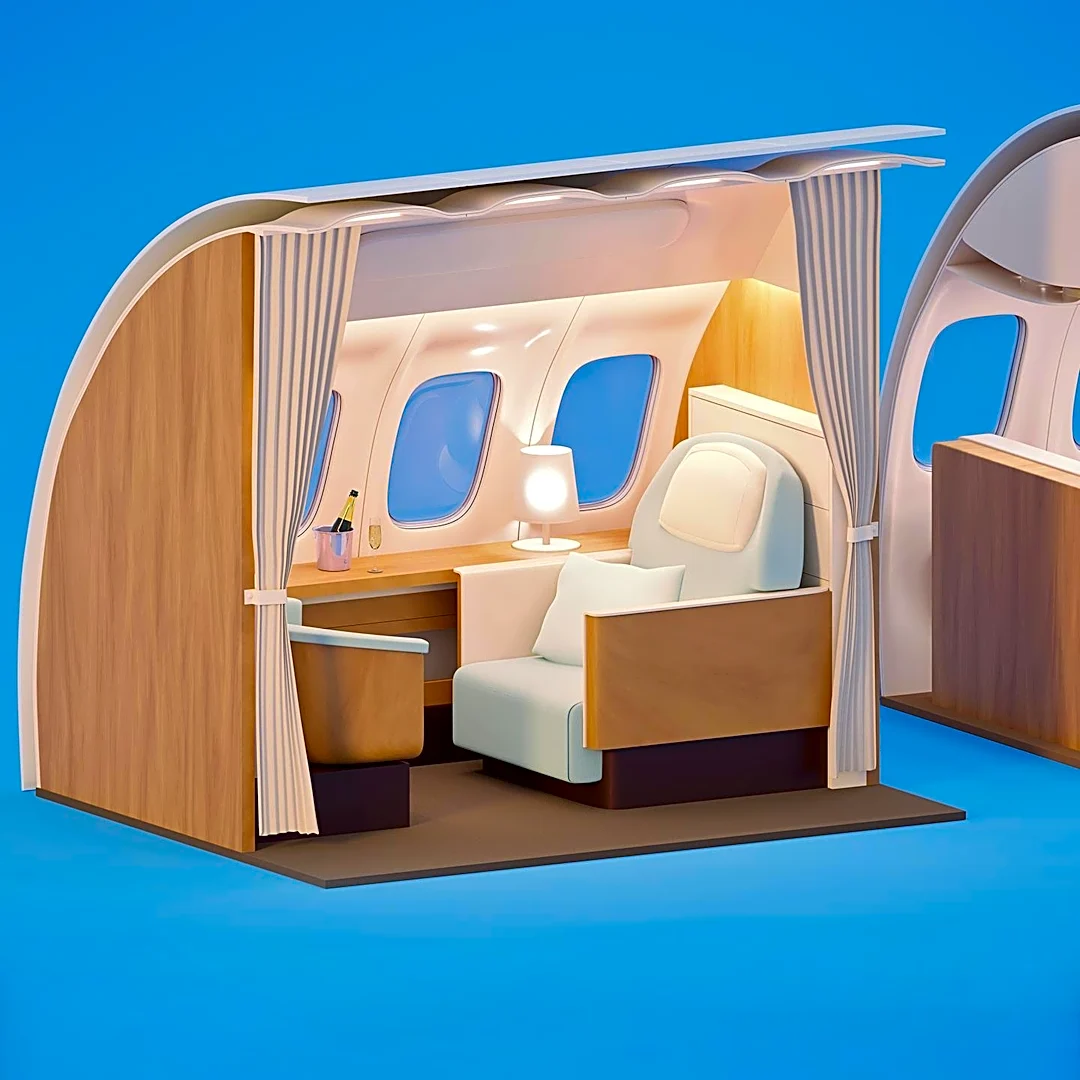
The increasing congestion in airport lounges has significant implications for the travel industry and consumers. For airlines and lounge operators, maintaining the perceived value and exclusivity of lounges becomes challenging, potentially impacting customer satisfaction and brand loyalty. The shift from earned status to purchasable access democratizes a once-elite travel perk but risks diluting the premium experience for which many travelers pay. For credit card companies, the value proposition of lounge access as a premium benefit may diminish if the experience consistently involves long waits and crowded spaces. Travelers who once valued lounges for their tranquility and amenities may find them less appealing, leading to a re-evaluation of the benefits offered by premium travel cards and loyalty programs. This trend could also spur innovation in lounge design and management, with operators exploring segmentation strategies like 'lounges within lounges' or more differentiated service tiers to cater to varying levels of demand and exclusivity.
What's Next?
In response to overcrowding, lounge operators and airports are likely to continue implementing stricter access policies and exploring new strategies to manage demand. This could include further adjustments to credit card membership tiers, more widespread use of virtual queuing systems, and potentially increased fees for entry. Airports like SFO, facing physical space constraints, may focus on optimizing existing lounge spaces and encouraging operators to innovate within those limits, such as incorporating quiet work areas, premium dining zones, and outdoor terraces. The industry may also see a continued trend towards segmentation, with lounges offering tiered access to different sections or services based on membership level or additional payment. This could lead to a more complex lounge ecosystem where travelers need to navigate various access rules and benefit structures to find the experience they desire.
Beyond the Headlines
The evolution of airport lounge access reflects broader societal trends in consumer expectations and the democratization of luxury experiences. What was once a symbol of elite status has become a more accessible, albeit sometimes diluted, amenity. This shift raises questions about the future of premium travel and how airlines and financial institutions will differentiate their offerings. The challenge lies in balancing widespread accessibility with the preservation of a premium experience. If lounges become consistently overcrowded and lose their appeal, it could lead to a re-evaluation of what constitutes a valuable travel perk. This situation also highlights the tension between maximizing revenue through broader access and maintaining the quality and exclusivity that initially attracted customers. The long-term impact could reshape how travel loyalty programs are structured and how premium travel benefits are perceived and delivered.