







What's Happening?
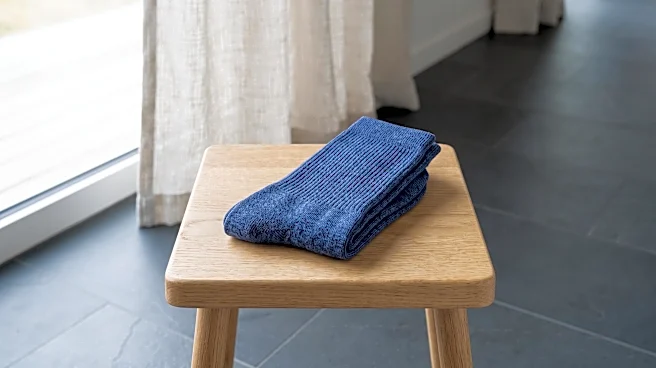
Maternity compression socks are widely recommended for pregnant individuals to manage and reduce leg swelling, also known as edema, which is a common occurrence during pregnancy. The body experiences increased blood and fluid volume, and the growing uterus
can press on veins, hindering blood return from the legs. Pregnancy hormones also relax vein walls, contributing to fluid pooling in the feet and ankles. Compression socks, typically knee-high with 15-20 mmHg graduated compression, apply firm pressure at the ankle that gradually lessens towards the knee. This mechanism helps to push blood back towards the heart, preventing fluid from accumulating in the lower extremities. Many individuals begin wearing these socks in the second trimester when swelling often first appears, continuing most days through the third trimester. They are advised to be put on first thing in the morning before swelling sets in and removed before bed, as they are not needed overnight.
Why It's Important?
The use of maternity compression socks is important for the health and comfort of pregnant individuals, addressing a prevalent issue that can significantly impact daily life. Untreated or severe swelling can lead to discomfort, pain, and potentially exacerbate conditions like varicose veins. By supporting healthy circulation and reducing fluid retention, these socks contribute to a more comfortable pregnancy experience, especially for those who spend long hours on their feet or have extended commutes. This also has implications for workplace productivity and overall quality of life during pregnancy. The recommendation by medical professionals for specific compression levels (e.g., 15-20 mmHg for moderate swelling) underscores the medical utility of these garments, moving them beyond mere comfort items to essential supportive wear. The market for maternity wear, including specialized compression products, reflects a growing recognition of the unique physiological needs of pregnant individuals.
What's Next?
As awareness of the benefits of maternity compression socks continues to grow, it is likely that more healthcare providers will proactively recommend them to pregnant patients. The market may see further innovations in materials, designs, and sizing to accommodate the changing bodies of pregnant individuals, including options for wide calves and various styles. Educational efforts will likely increase, emphasizing the importance of proper fit and consistent wear. There may also be a focus on integrating these products into broader prenatal care discussions, ensuring that pregnant individuals are well-informed about managing common pregnancy discomforts. Continued research into the long-term benefits of compression therapy during pregnancy could also lead to refined guidelines and product development.
Beyond the Headlines
The widespread adoption of maternity compression socks highlights a broader societal shift towards proactive health management during pregnancy, moving beyond simply treating symptoms to preventing discomfort and potential complications. This trend reflects an increasing emphasis on supporting pregnant individuals' well-being and maintaining their active lifestyles. It also touches upon the intersection of fashion and function, as brands strive to create effective compression wear that is also aesthetically pleasing, encouraging consistent use. The focus on comfort and support during pregnancy can also influence post-partum recovery, as swelling can persist after birth. This underscores a holistic approach to maternal health, where supportive garments play a role in both prenatal and postnatal care, contributing to the physical and emotional comfort of new and expectant parents.