







What's Happening?
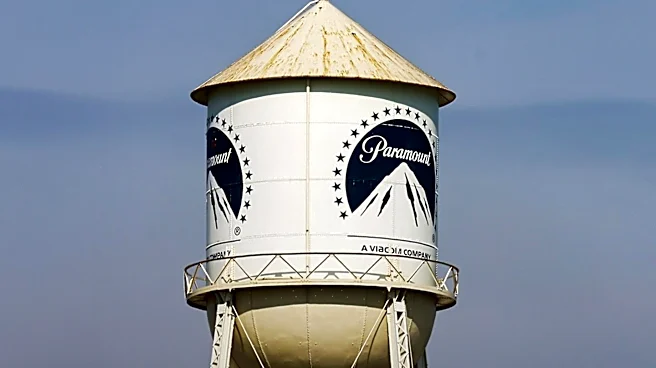
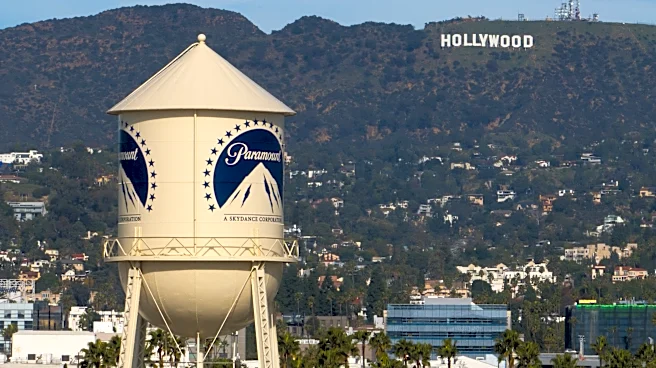
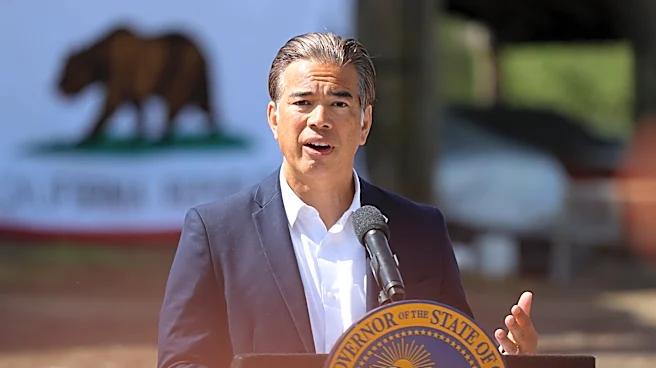
California Attorney General Rob Bonta has filed a lawsuit against the proposed $111 billion merger between Paramount and Warner Bros. Discovery (WBD), labeling it as an 'illegal merger.' Bonta, along with 12 other state attorneys general, argues that
the merger would lead to higher prices, lower quality, and reduced content availability for film and television, negatively impacting movie theaters, cable distributors, and audiences across the U.S. The lawsuit, filed in the U.S. District Court for the Northern District of California, claims the merger violates Section 7 of the Clayton Act, which prohibits mergers that may substantially lessen competition or create a monopoly. Bonta emphasizes that the consolidation would give a small number of individuals excessive power over movie theaters and cable providers, potentially driving up prices and diminishing quality.
Why It's Important?
The lawsuit highlights significant antitrust concerns in the entertainment industry, particularly regarding the consolidation of major Hollywood studios. If successful, the legal challenge could prevent the merger, maintaining competition within the industry and potentially safeguarding consumer interests by preventing price hikes and quality reductions. The case also underscores the ongoing tension between traditional media companies and streaming giants like Netflix and Amazon, as Paramount argues that the merger would enhance its ability to compete with these dominant platforms. The outcome of this legal battle could set a precedent for future mergers and acquisitions in the media sector, influencing how antitrust laws are applied to large-scale corporate consolidations.
What's Next?
As the lawsuit progresses, both Paramount and the state attorneys general will present their arguments in court. Paramount has stated its intention to vigorously defend the merger, arguing that it would create a stronger media company better positioned to compete with streaming services. The case may also prompt further scrutiny from federal regulators, despite the Department of Justice having closed its antitrust investigation into the merger. The legal proceedings could delay the merger's completion, impacting stakeholders across the entertainment industry, including workers and consumers. The court's decision will be closely watched as it could influence future regulatory approaches to media mergers.