









What's Happening?
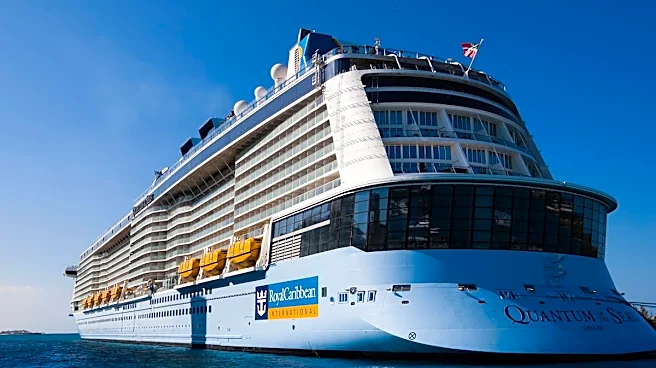
Travel insurance is highly recommended for cruise vacations, particularly due to the unique risks associated with this mode of travel. Cruise lines typically require full payment months in advance, often 90 to 180 days prior to departure, making cancellations
without insurance potentially costly. Unlike hotel bookings, where last-minute cancellations are often possible, cruise cancellation policies are strict, and travelers may only receive a percentage of their fare back if they cancel after the final payment. Insurance can cover expenses incurred from last-minute changes due to unforeseen events, such as hurricanes impacting departure ports, which can delay embarkation or debarkation and necessitate extra hotel stays or adjusted flights. It also addresses issues like delayed flights, which can cause travelers to miss their ship, or lost baggage, which is more complicated to reunite with owners once a ship has sailed. While cruises are rarely canceled during hurricane season, ships may alter itineraries, and port impacts can still lead to significant disruptions for travelers.
Why It's Important?
The importance of travel insurance for cruise vacations stems from the substantial financial commitment required upfront and the unique logistical challenges that can arise. Without insurance, travelers risk losing significant non-refundable payments if they need to cancel due to illness, family emergencies, or other covered reasons. The U.S. Department of State advises that domestic health insurance may not cover treatment abroad, and Medicare typically offers limited international protection, making travel medical insurance crucial for international cruise segments. For senior travelers, specialized options like Able2Travel offer cruise-specific coverage, including protection against cabin confinement and missed ports of call. The financial implications of unexpected events, such as medical emergencies or trip interruptions, can be substantial, and travel insurance provides a critical safety net, protecting consumers from potentially high out-of-pocket expenses and ensuring peace of mind during their travels.
What's Next?
Travelers planning cruises should carefully review their existing insurance policies to identify any gaps in coverage before purchasing new travel insurance. It is crucial to compare different plans, focusing on covered reasons, exclusions, and reimbursement rules, rather than solely on price. Purchasing insurance soon after the first non-refundable payment can secure time-sensitive benefits, such as waivers for pre-existing conditions or 'cancel for any reason' upgrades. Travelers should also ensure their policy covers specific cruise-related risks like missed embarkation, onboard medical care, and itinerary changes. Keeping all necessary documentation, including medical bills, treatment summaries, and booking invoices, is essential for any future claims. Before departure, travelers should save their policy certificate and emergency assistance numbers offline, as Wi-Fi and roaming services can be unreliable, and understand the process for pre-authorization for non-emergency treatments.
Beyond the Headlines
Beyond the immediate financial protection, travel insurance for cruises highlights a broader shift in consumer responsibility for travel risks. As travel becomes more complex and global, individuals are increasingly expected to mitigate potential disruptions themselves, rather than relying solely on travel providers. This trend underscores the need for greater consumer literacy regarding insurance products and the fine print of policies. The emphasis on 'cancel for any reason' add-ons, while offering flexibility, also points to a growing demand for comprehensive protection against a wider array of personal circumstances, moving beyond traditional insurable events. This evolution in travel insurance reflects a changing landscape where personal health, geopolitical stability, and environmental factors like extreme weather events are increasingly intertwined with travel planning, making robust and tailored insurance a fundamental component of responsible travel.