
What's Happening?
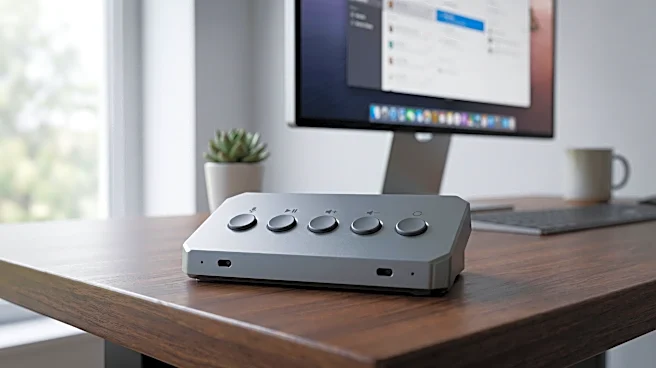
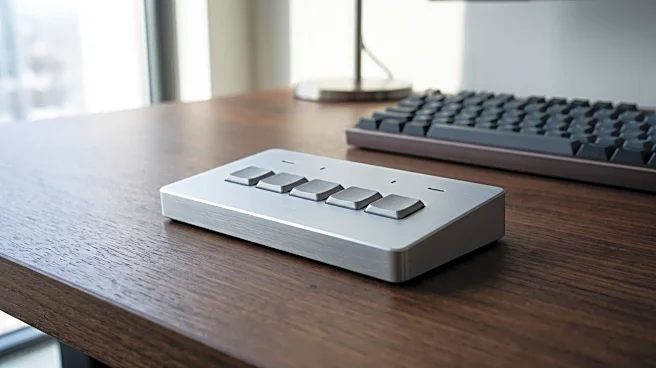
Genspark has unveiled its SecondBrain VoicePad, a compact desk accessory designed to streamline interactions with AI tools for knowledge workers. This device features five programmable physical keys and
built-in dual microphones, aiming to reduce the time lost to app-switching and keyboard input when using AI applications. The VoicePad is constructed with an aluminum body, weighs approximately 85 grams, and offers up to 20 hours of battery life. Its dual microphones are engineered to capture low-volume speech, and its companion software is designed to remove filler words and false starts from dictation. The device also supports live translation across more than 50 languages. The five keys can be mapped to various desktop applications, creating single-press workflows. The VoicePad functions as a hardware interface for Genspark's broader AI workspace, which includes features for meeting notes, documents, spreadsheets, slides, and automation. Advanced functionalities like voice typing, translation, and AI agents require an internet connection, while recording and on-device playback can operate offline. The product is set to launch on Kickstarter on November 24, 2026, with a suggested retail price of $169.
Why It's Important?
The introduction of Genspark's SecondBrain VoicePad signifies a growing trend in the U.S. technology sector towards integrating AI more seamlessly into daily work routines. For knowledge workers, who often juggle multiple applications and AI tools, this device promises to enhance productivity by minimizing friction and reducing cognitive load. The focus on voice input and programmable keys could lead to more intuitive and efficient human-computer interaction, potentially setting a new standard for how professionals engage with AI. Businesses that adopt such tools could see improvements in operational efficiency, as employees spend less time on administrative tasks and more on core responsibilities. However, the reliance on an internet connection for advanced features and the subscription model for continued unlimited access beyond the first year highlight the ongoing shift towards 'as-a-service' models in hardware, which could impact long-term costs for users and businesses. The success of this device could also spur further innovation in AI-integrated hardware, influencing future product development across the tech industry.
What's Next?
The Genspark SecondBrain VoicePad is scheduled to launch on Kickstarter on November 24, 2026. Prospective buyers can secure a VIP reservation for $99 with a refundable $9.99 deposit, a discount from the suggested retail price of $169. Shipping is estimated to begin in January 2027, with orders fulfilled based on pledge sequence. The initial purchase includes unlimited real-time voice input and translation for the first 365 days, along with 1,000 Super Agent credits. After the first year, free-plan users will face a weekly cap of 4,000 voice-input words, while paid plans will remove this limit. Genspark advises users to verify current subscription rates on their billing page, as terms are subject to change. Key details regarding cloud processing, data retention policies, and the full scope of features available at launch are yet to be confirmed, and potential backers are encouraged to scrutinize these aspects before pledging.
Beyond the Headlines
The SecondBrain VoicePad's emphasis on reducing 'app-switching' and 'keyboard fatigue' points to a broader societal challenge in the digital age: information overload and the cognitive burden of managing numerous digital tools. This device attempts to address this by creating a more direct, voice-activated interface for AI, potentially shifting how we perceive and interact with our digital workspaces. The ethical implications of continuous voice input and data retention, particularly concerning privacy and data security, will be crucial considerations for users and regulators. As AI becomes more embedded in hardware, questions about data ownership, consent, and the transparency of AI processing will become increasingly prominent. The device's ability to remove filler words also touches upon the subtle ways technology can shape communication, potentially influencing speech patterns and expectations in professional settings. This development could mark a step towards a more ambient and less intrusive form of AI interaction, but it also necessitates a deeper examination of the trade-offs between convenience and control over personal data and communication.