



What's Happening?
WWE President Nick Khan has outlined the company's policy regarding its talent participating in external film and television projects. Khan stated that WWE stars require permission on a case-by-case basis to engage in such ventures. He specifically highlighted
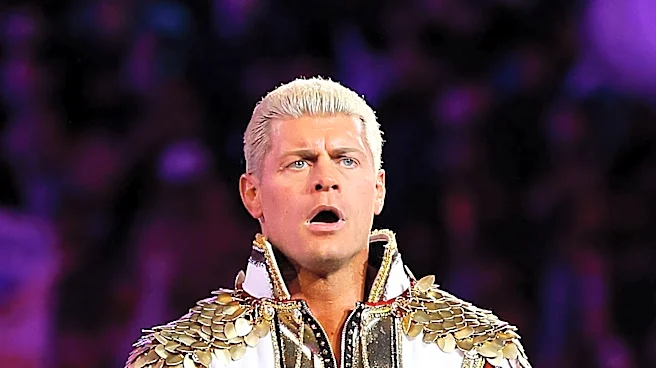
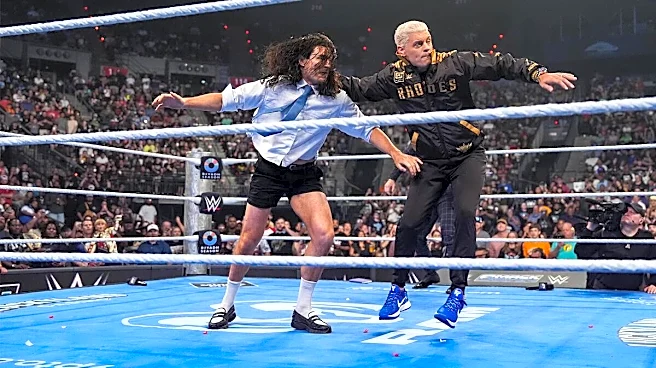
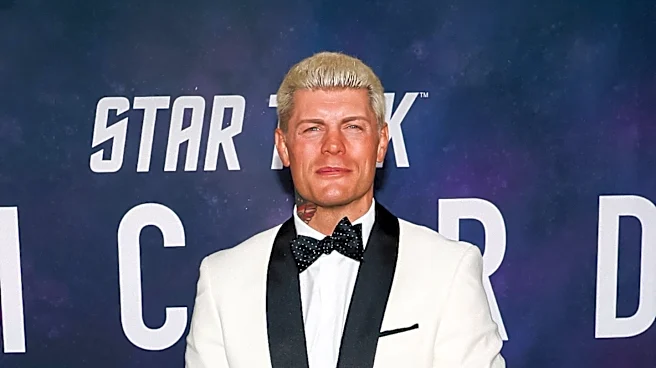
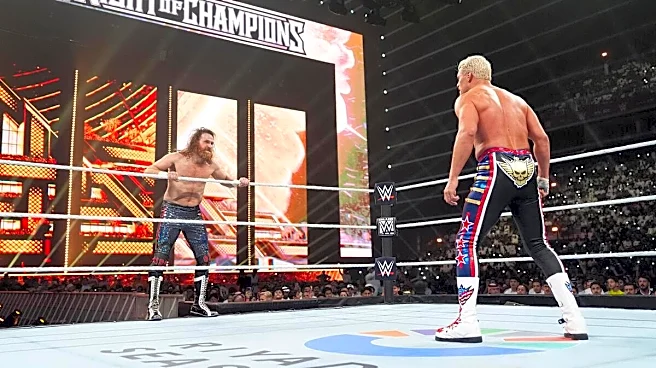
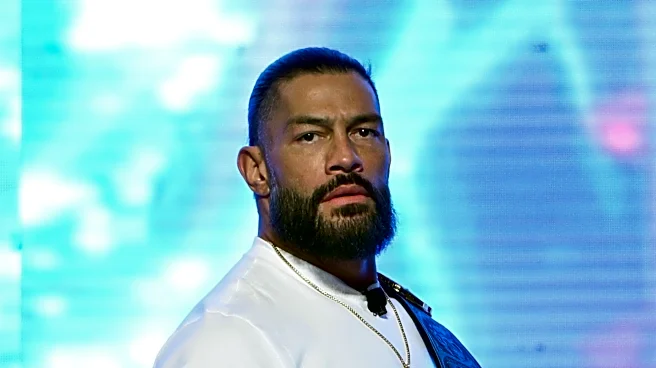
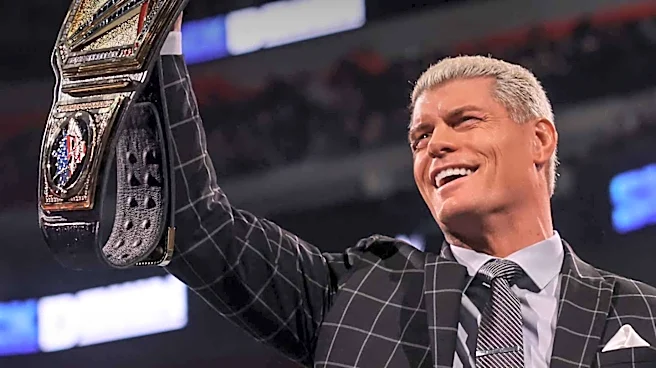
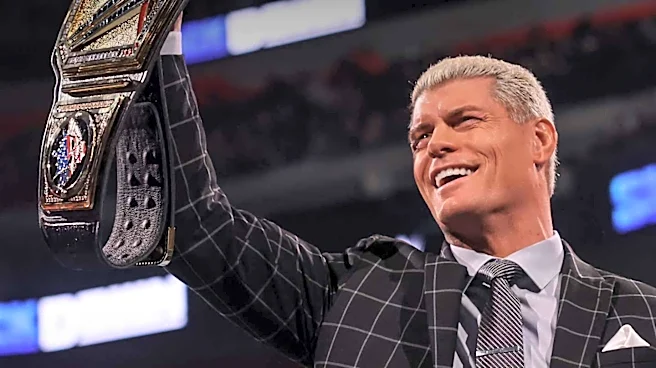
that Roman Reigns and Cody Rhodes have 'earned the right' to pursue outside projects, receiving WWE's full support. Khan emphasized that increased exposure for these performers outside the WWE can ultimately benefit the company by enhancing their visibility and popularity. For other talent, opportunities for film and TV roles will be evaluated individually, ensuring alignment with WWE's broader strategic goals. This approach allows WWE to maintain control over its talent's public image while also leveraging external media for brand growth.
Why It's Important?
This policy clarification from Nick Khan is significant for several reasons. It signals a strategic shift in how WWE views its talent's engagement with external media, moving towards a more collaborative model for its top stars. By supporting high-profile wrestlers like Roman Reigns and Cody Rhodes in film and TV, WWE aims to expand its brand reach beyond traditional wrestling audiences. This can lead to increased mainstream appeal for both the individual stars and the WWE product as a whole, potentially attracting new viewers and revenue streams. For other talent, the case-by-case evaluation suggests a more controlled approach, ensuring that external projects align with WWE's brand image and business objectives. This balance allows WWE to capitalize on its stars' marketability while maintaining creative and brand control.
What's Next?
In the immediate future, it is expected that more WWE talent, particularly those with established fan bases, may seek opportunities in film and television, subject to WWE's approval. The success of projects involving Roman Reigns and Cody Rhodes will likely serve as a benchmark for future decisions. WWE will continue to assess how external media appearances impact its performers' popularity and the company's overall brand value. This could lead to a more formalized process for talent seeking outside roles or even dedicated departments within WWE to manage such opportunities. The company will likely monitor the balance between wrestlers' commitments to WWE programming and their external projects to ensure neither is compromised.
Beyond the Headlines
This development reflects a broader trend in entertainment where traditional boundaries between different media forms are blurring. For WWE, allowing its stars to cross over into film and TV is not just about individual career advancement but also about evolving the wrestling brand into a more comprehensive entertainment entity. This strategy could lead to WWE talent becoming more recognized as mainstream actors, similar to how Dwayne 'The Rock' Johnson transitioned from wrestling to Hollywood stardom. The ethical implications involve ensuring fair opportunities for all talent and managing potential conflicts of interest between WWE commitments and external projects. Legally, WWE will likely refine its contracts to clearly define terms for external work, protecting its intellectual property and talent investments. Culturally, this could further elevate professional wrestling's status within the broader entertainment industry.