







What's Happening?
Webull is withdrawing its sports-related prediction market contracts from Connecticut, instructing customers in the state to close all open positions by 11:59 p.m. ET on October 31. This decision comes as state regulators intensify pressure on unlicensed
platforms to stop offering sports wagers. Connecticut officials allege that these platforms accept wagers from individuals under 21, the state's legal betting age, and from those on the state's voluntary self-exclusion list. Additionally, these platforms are accused of offering wagers on Connecticut college sports, which is prohibited by state law. Failure to comply could result in civil penalties under the Connecticut Unfair Trade Practices Act or criminal penalties. In September, the Department of Consumer Protection issued cease-and-desist orders to nine prediction markets, including Webull, directing them to halt all unlicensed online gambling activities in Connecticut.
Why It's Important?
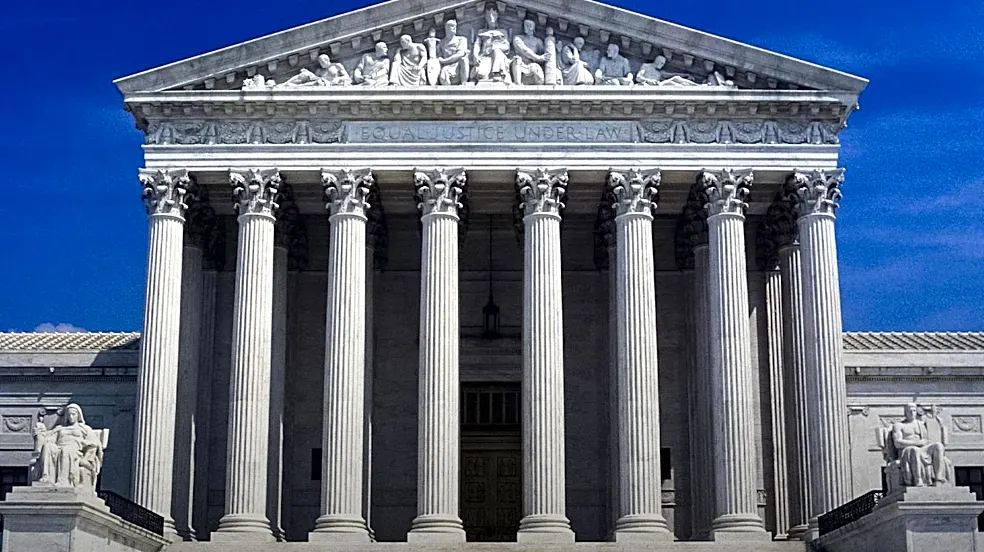
This development highlights a significant regulatory crackdown on unlicensed sports prediction markets in Connecticut, underscoring the state's commitment to enforcing its gambling laws. The exit of Webull and the broader regulatory actions against other platforms like Polymarket, Coinbase, and Robinhood, will reshape the landscape of online betting in the state. This move aims to protect vulnerable populations, such as underage individuals and those with gambling addictions, by ensuring that all betting activities adhere to strict state regulations. It also reinforces the state's licensed sports betting market, which is currently limited to the two tribal casinos and the Connecticut Lottery Corp. The ongoing legal battles, including New Jersey's case against Kalshi reaching the U.S. Supreme Court with support from Connecticut, indicate a broader national effort to clarify and regulate prediction markets.
What's Next?
Following Webull's exit, other unlicensed prediction market platforms in Connecticut are expected to either comply with the cease-and-desist orders or face legal repercussions. The state's Department of Consumer Protection will likely continue monitoring the market to ensure adherence to regulations. The broader legal challenge regarding the regulation of prediction markets, particularly the case before the U.S. Supreme Court, will be a critical determinant for the future of these platforms nationwide. Connecticut Attorney General William Tong's active involvement in this case signals the state's intent to establish clear regulatory boundaries. Consumers in Connecticut will need to transition to state-licensed sports betting options if they wish to continue participating in sports wagering.
Beyond the Headlines
The regulatory actions in Connecticut against prediction markets raise fundamental questions about the nature of these financial instruments and their classification as either derivatives or gambling. The dispute between platforms, which argue their offerings are federally regulated by the CFTC, and states, which view them as unlicensed gambling, highlights a jurisdictional grey area. This conflict has significant implications for consumer protection, market integrity, and the future of financial innovation. If states successfully assert jurisdiction, it could lead to a fragmented regulatory environment across the U.S., potentially stifling the growth of prediction markets. Conversely, a clear federal ruling could provide much-needed clarity, ensuring consistent oversight and consumer safeguards. The outcome will influence how technology and finance intersect with traditional regulatory frameworks.