



What's Happening?
Maximalism is gaining significant traction as a leading trend in fashion and design for 2026, moving away from the minimalist aesthetic that has dominated for the past decade. This shift is characterized by a vibrant and expressive approach, encouraging
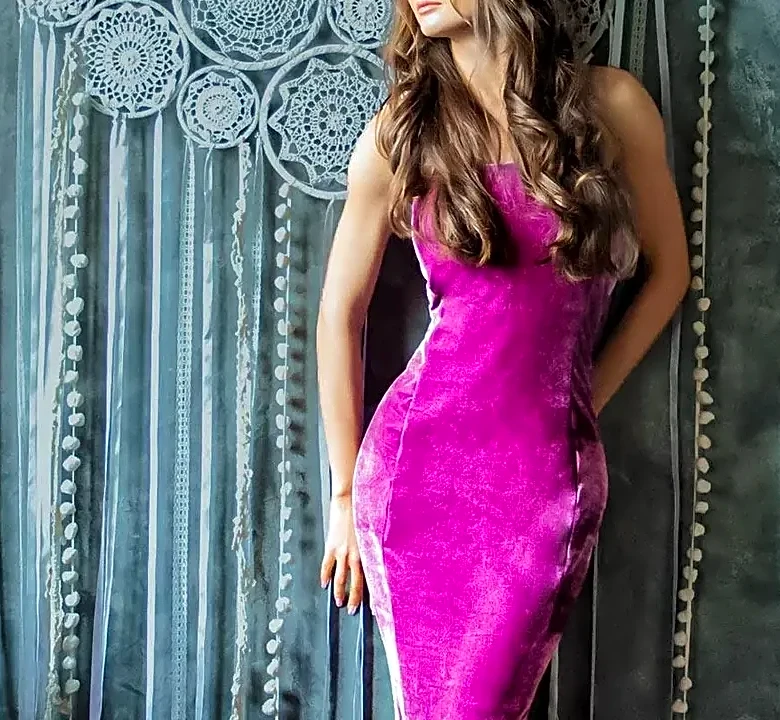
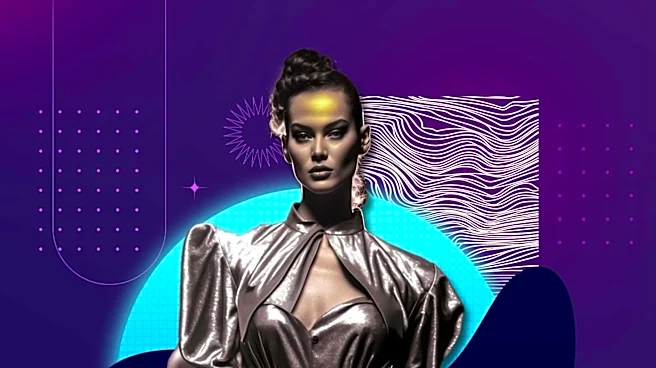
individuals and designers to explore their identities through a rich combination of patterns, colors, and styles without restraint. In fashion, maximalism is defined by bold silhouettes, dramatic proportions, and a theatrical appeal. The trend celebrates personal expression and the freedom to combine unconventional ideas, moving beyond the uniform looks often influenced by social media algorithms. This movement is seen as a way for individuals to reclaim their personal style in a world where tastes are increasingly shaped by online trends, fostering a more authentic and less prescriptive approach to design.
Why It's Important?
The rise of maximalism signifies a notable cultural shift in the U.S. away from uniformity and towards individual expression in design and fashion. This trend impacts various industries, from apparel and home decor to art and entertainment, by promoting creativity and diverse aesthetic choices. For consumers, it offers an opportunity to personalize their environments and wardrobes, potentially leading to increased demand for unique, custom, and vintage-inspired products. Businesses in the retail and design sectors may need to adapt their offerings to cater to this demand for layered, colorful, and pattern-rich products. The emphasis on 'more is more' could stimulate innovation in textile design, color palettes, and product development, benefiting manufacturers and designers who can effectively capture this eclectic spirit. This also challenges the fast-fashion model by encouraging a more curated and accumulated approach to personal style.
What's Next?
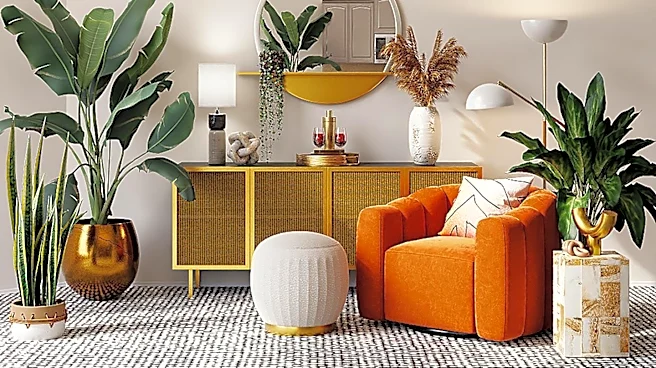
As maximalism continues to gain momentum, consumers can expect to see a broader array of vibrant colors, intricate patterns, and diverse textures in upcoming fashion collections and home decor lines. Retailers and brands are likely to introduce more eclectic and personalized product ranges to meet the evolving consumer demand for expressive aesthetics. Designers may increasingly collaborate with artists and artisans to create unique, statement pieces that embody the maximalist spirit. Furthermore, the trend could influence interior design, leading to homes filled with layered decor, mixed furniture styles, and bold artistic choices. Educational institutions and design programs may also incorporate maximalist principles into their curricula, fostering a new generation of designers who prioritize individuality and creative freedom over conventional norms.
Beyond the Headlines
The embrace of maximalism extends beyond mere aesthetic preference; it reflects a deeper cultural yearning for authenticity and individuality in an increasingly digital and homogenized world. This trend can be interpreted as a form of rebellion against the 'algorithm-driven' uniformity that has characterized much of the past decade's consumer culture. By encouraging individuals to trust their own judgment and wear or display what they find beautiful, sentimental, or strange, maximalism promotes a more conscious and personal relationship with material possessions. It challenges the notion that design must be 'legible' or universally appealing, instead valuing unique narratives and accumulated histories within personal spaces. This shift could foster a more sustainable approach to consumption, as individuals might invest in unique, long-lasting pieces that reflect their personality rather than constantly chasing fleeting minimalist trends.