


What's Happening?
Kim Novak, the 93-year-old star of Alfred Hitchcock's 1958 film 'Vertigo,' has revealed her post-death plans, opting for human composting over traditional burial or cremation. Novak stated in an interview with PEOPLE that she has put her wishes in writing,
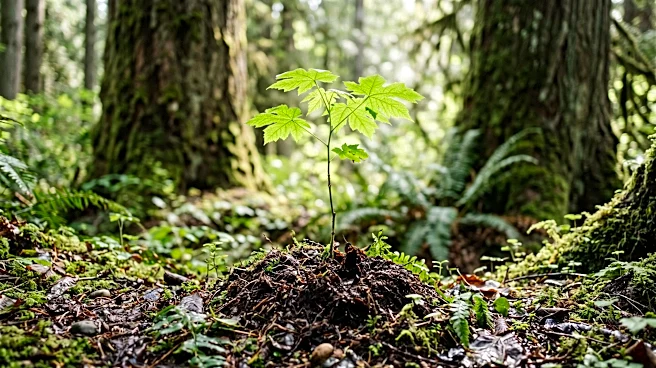
specifying that her body will be turned into nutrient-rich soil in Washington State. This composted material will then be given to her loved ones, with the instruction that they use it to plant a tree or incorporate it into a plant in their homes. Novak expressed a desire to 'continue growing' after her death, viewing this method as a way to remain a 'living creature' and align with her admiration for trees and their role in nature. She cited environmental concerns regarding cremation as a factor in her decision.
Why It's Important?
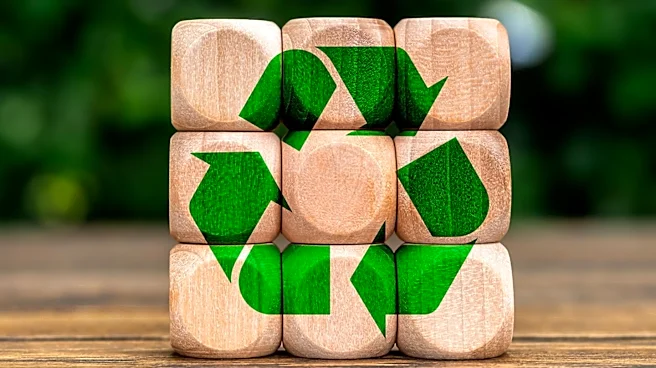
Kim Novak's decision to choose human composting highlights a growing trend in end-of-life choices that prioritize environmental sustainability and a desire for a more natural return to the earth. This move by a public figure could bring increased awareness and acceptance to human composting, a practice that is currently legal in several U.S. states, including Washington. As environmental consciousness rises, alternative burial methods like composting offer a significantly lower carbon footprint compared to traditional burial, which uses embalming chemicals and non-biodegradable materials, and cremation, which releases greenhouse gases. Novak's public endorsement could influence public perception and potentially accelerate the adoption and legalization of human composting across more states, impacting the funeral industry and offering new options for individuals seeking eco-friendly end-of-life solutions.
What's Next?
The public announcement of Kim Novak's post-mortem plans is likely to spark further discussion and interest in human composting as an alternative to conventional burial and cremation. This could lead to increased inquiries and demand for services offered by facilities in states where human composting is legal, such as Washington. For states where it is not yet legal, Novak's decision, coupled with her celebrity status, might encourage legislative bodies to consider or expedite bills that would permit the practice. Environmental advocacy groups and the green funeral industry may leverage this high-profile example to promote the ecological benefits of human composting. The conversation around end-of-life choices could shift, with more individuals exploring and planning for environmentally conscious options.
Beyond the Headlines
Kim Novak's choice transcends a simple end-of-life decision; it reflects a deeper philosophical and cultural shift towards reconnecting with nature and redefining our relationship with death. Her desire to 'continue growing' and become part of the natural cycle speaks to a longing for legacy beyond memory, transforming physical remains into a source of new life. This perspective challenges traditional Western views on death, which often involve separation from the natural world through embalming and sealed caskets. Ethically, it raises questions about the dignity of the body and the meaning of remembrance. Culturally, it could normalize discussions around death and dying, encouraging more open conversations about personal values and environmental impact in end-of-life planning. It also underscores the evolving legal landscape surrounding death care, as states grapple with regulating innovative and eco-friendly practices.