


What's Happening?
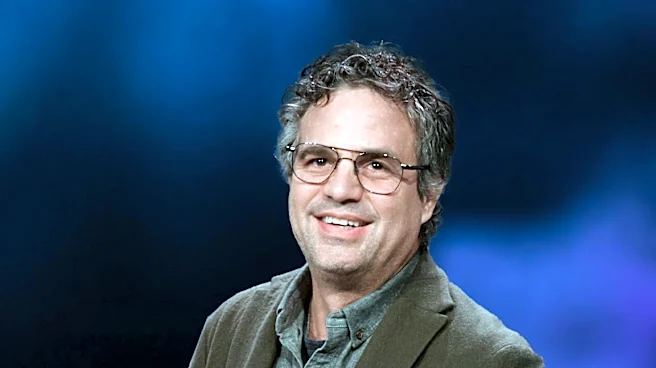
More than 180 Jewish figures, including prominent artists, writers, and faith leaders, have signed an open letter defending actor Mark Ruffalo against accusations of antisemitism. The letter, titled 'Enough!', was published following a heated week where
Ruffalo criticized the proposed Paramount-Warner Bros. merger. In a social media post on August 21, Ruffalo attacked the deal, alleging that the Ellison family, involved in the merger, was complicit in 'genocide' against Palestinians, linking it to an 'apartheid system of oppression powered by Oracle' and its ties to the Israeli military. A Paramount spokesperson responded by accusing Ruffalo of invoking 'antisemitic tropes.' Other groups, including The Simon Wiesenthal Center and the Creative Community for Peace, also condemned his comments. Ruffalo countered, calling Paramount's accusation 'appalling and fundamentally dishonest,' stating that criticizing Israeli Prime Minister's actions or military technology contracts is not equivalent to criticizing Jewish people. The open letter echoes Ruffalo's defense, arguing against the 'false and dangerous weaponization of charges of antisemitism' and highlighting the connections Ruffalo made between the merger and the Ellison family's involvement with Israel.
Why It's Important?
This open letter signifies a notable pushback against the use of antisemitism accusations in public discourse, particularly when related to criticisms of Israeli policies or corporate actions. The involvement of over 180 Jewish figures from various professional backgrounds underscores a division within the Jewish community regarding what constitutes antisemitism, especially concerning the Israeli-Palestinian conflict. The letter's assertion that 'pointing out the crucial connections between what is happening in Gaza and what is happening in Hollywood is the exact opposite of antisemitism' challenges the narrative that any criticism of Israel is inherently antisemitic. This debate has significant implications for freedom of speech, corporate accountability, and the entertainment industry, as it involves a major proposed media merger and the public statements of a high-profile actor. It also highlights the growing scrutiny of corporate ties to geopolitical conflicts and the ethical responsibilities of large corporations and their executives.
What's Next?
The open letter is likely to intensify the ongoing debate surrounding the Paramount-Warner Bros. merger and the broader discussion about antisemitism and criticism of Israel. Paramount and other organizations that initially accused Ruffalo may face pressure to respond to the letter's claims, potentially leading to further public statements or clarifications. The controversy could also influence public perception of the proposed merger, particularly among those concerned about media consolidation and ethical business practices. Additionally, this event may encourage more public figures to voice their opinions on sensitive geopolitical issues, potentially leading to similar debates and open letters in the future. The entertainment industry might also see increased internal discussions about how to navigate political statements made by its members and the appropriate responses to such comments.
Beyond the Headlines
The controversy surrounding Mark Ruffalo and the subsequent open letter delve into deeper implications concerning the weaponization of serious accusations like antisemitism to silence dissent or criticism. The letter explicitly states, 'Enough with the false and dangerous weaponization of charges of antisemitism against those who are brave enough to point out the obvious.' This suggests a growing concern that such accusations are being strategically deployed to stifle legitimate critiques of corporate power, media consolidation, and geopolitical actions. The letter also touches upon the ethical dimensions of technology, particularly AI-driven killing and control technologies, and the potential for an 'Orwellian world' where corporate entities consolidate control over media and surveillance. This raises questions about the long-term societal impact of unchecked corporate power and the intersection of technology, media, and international conflicts.