







What's Happening?
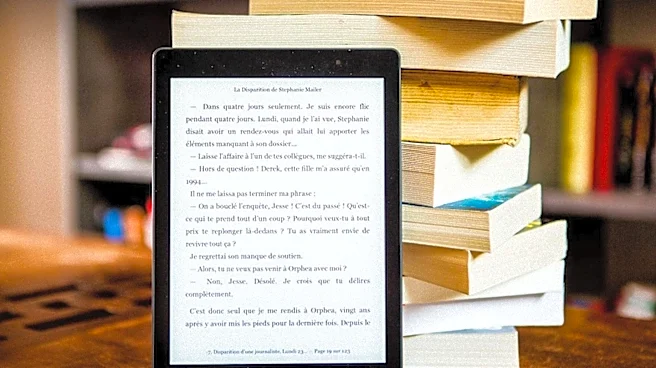
The article provides a comprehensive guide to choosing between e-readers and tablets for digital leisure, emphasizing that the ideal device depends on individual usage habits. E-readers, with their E Ink displays, are highlighted for focused, distraction-free
reading, especially in bright outdoor conditions, and offer extended battery life. They are best suited for novels, non-fiction, and long reading sessions. Tablets, featuring LCD and OLED screens, offer broader functionality, including web browsing, streaming, apps, and color content like magazines and comics, but come with shorter battery life and potential glare. The piece also discusses various reading ecosystems like Kindle and Kobo, noting their device-specific integrations and the importance of checking compatibility with library services.
Why It's Important?
The choice between e-readers and tablets has significant implications for how individuals consume digital content, impacting their reading habits, screen time, and overall digital well-being. For U.S. consumers, understanding these differences can lead to more informed purchasing decisions, ensuring they invest in a device that genuinely meets their needs rather than one that causes frustration. This distinction is crucial in a market saturated with diverse devices, as it helps users optimize their digital leisure time, whether for focused reading or multimedia consumption. The emphasis on compatibility with library services also highlights the growing importance of digital lending in public and academic institutions across the U.S.
What's Next?
As technology continues to evolve, the lines between e-readers and tablets may further blur, with potential advancements in E Ink technology offering color displays and faster refresh rates, or tablets becoming more optimized for reading with specialized modes. Consumers can expect continued innovation in screen technology, battery life, and ecosystem integration. Device manufacturers will likely focus on enhancing user experience through more intuitive interfaces and broader content compatibility. Users should stay informed about new product releases and software updates to make the most of their digital reading and leisure devices.
Beyond the Headlines
The ongoing evolution of e-readers and tablets reflects a broader societal trend towards digital consumption and the increasing demand for versatile yet specialized personal devices. This technological progression raises questions about digital literacy, the impact of screen types on eye health, and the environmental footprint of device manufacturing and disposal. The article subtly touches on the psychological aspect of digital distractions, suggesting that a device with fewer app temptations can enhance focus. This highlights a growing awareness of the need for technology that supports mindful engagement rather than constant stimulation, influencing future device design and user behavior.