


What's Happening?
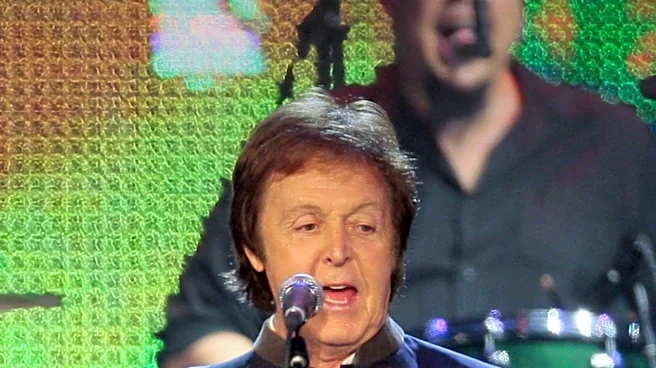
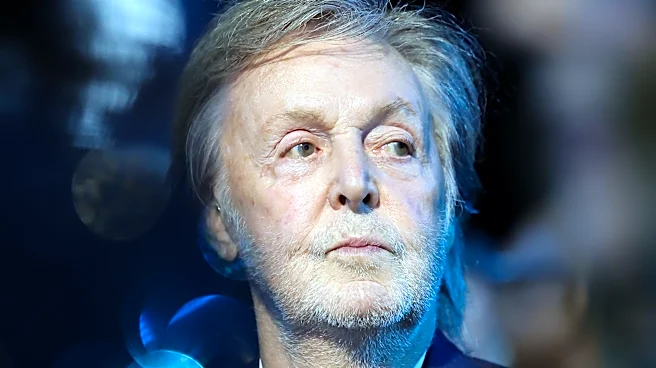
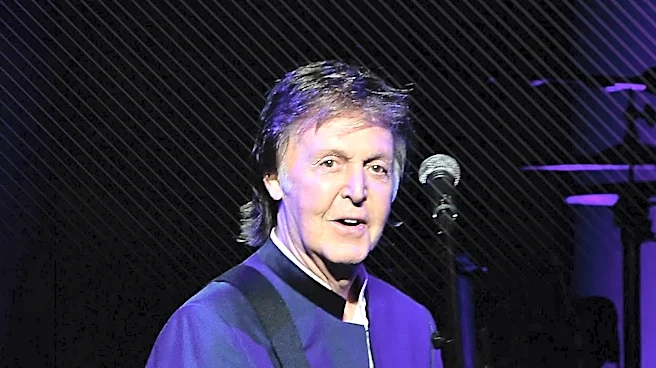
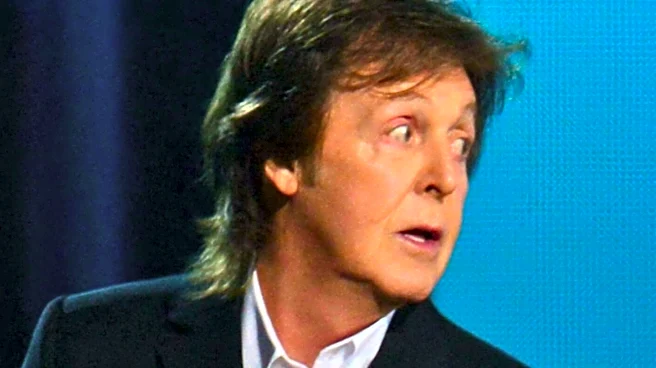
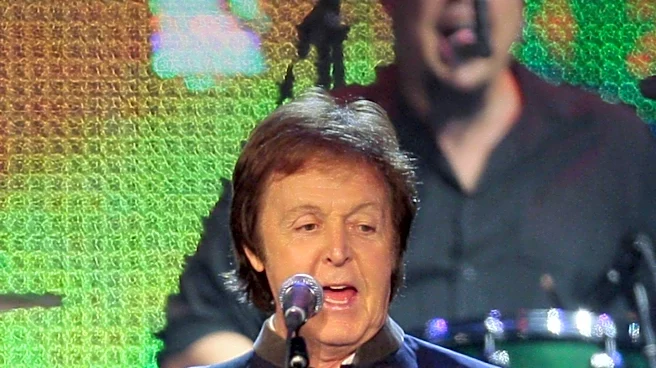
Paul McCartney, the 84-year-old music icon, has officially become a billionaire, with Forbes estimating his net worth at $1.4 billion. This achievement places him as the third-richest musician globally, trailing only Jay-Z ($2.8 billion) and Taylor Swift
($2 billion). McCartney's financial milestone sees him surpass other prominent artists such as Beyoncé, Rihanna, and Dr. Dre. The majority of his wealth is attributed to his extensive music catalog and publishing rights managed by MPL Communications, a company he founded in 1969. MPL Communications holds copyrights for thousands of songs, including those by Buddy Holly, Broadway scores, and classic Christmas standards like 'It's Beginning To Look A Lot Like Christmas.' These assets are estimated to generate tens of millions of dollars annually, with the company's total worth exceeding a quarter of a billion dollars. Additionally, McCartney receives 25% of earnings from Apple Corps, The Beatles' holding company, which brings in approximately $50 million yearly from streaming, sales, and merchandise. He also earns about $10 million annually from the band's songwriting copyrights, valued at $200 million, a right he secured through legal battles in both the U.S. and U.K. His continued touring, real estate investments, and art collection further contribute to his substantial fortune.
Why It's Important?
Paul McCartney's entry into the billionaire club underscores the enduring financial power of intellectual property in the music industry, particularly for artists with extensive catalogs and shrewd business acumen. His wealth primarily stems from MPL Communications, which not only manages his own works but also holds copyrights for numerous other artists and compositions. This highlights the long-term value of music publishing and the strategic importance of owning master recordings and songwriting rights. The fact that an artist can continue to accrue such significant wealth decades after their initial peak demonstrates the perpetual revenue streams generated by royalties, streaming, and licensing. This also sets a precedent for how legacy artists can maintain and grow their financial empires, influencing younger artists to consider long-term ownership and management of their creative output. The valuation of his assets, including his share in Apple Corps and his songwriting copyrights, illustrates the substantial economic impact of a well-managed artistic legacy, providing a blueprint for wealth creation beyond direct performance income.
What's Next?
With Paul McCartney's established billionaire status, the focus will likely remain on the continued management and expansion of his vast music catalog and business ventures. MPL Communications is expected to continue its role in acquiring and managing music rights, potentially expanding its portfolio further. As streaming services continue to dominate music consumption, the value of his extensive catalog is likely to appreciate, ensuring sustained revenue streams. McCartney's ongoing touring, even in his eighties, indicates a continued engagement with his audience, which further boosts his brand and income. Future financial strategies might involve further diversification of investments, building on his existing real estate and art holdings. His position as one of the wealthiest musicians could also influence philanthropic endeavors or investments in new music technologies, though no specific plans have been announced. The enduring nature of his music ensures that his financial legacy will continue to grow, impacting future generations of artists and the broader music industry.
Beyond the Headlines
Paul McCartney's billionaire status transcends mere financial achievement; it represents a profound shift in how artistic contributions are valued over time. His wealth, largely built on intellectual property, highlights the critical importance of copyright ownership and strategic business management for artists. This success story could inspire a new generation of musicians to prioritize retaining control over their masters and publishing rights, rather than ceding them to labels or publishers. Ethically, it raises questions about the distribution of wealth within the music industry, particularly for artists who may not have the same leverage or business acumen. Legally, McCartney's past battles for songwriting copyrights underscore the ongoing importance of intellectual property law in protecting artists' financial interests. Culturally, his enduring influence and financial success reinforce the idea that timeless art can generate perpetual value, shaping how society perceives the long-term economic impact of creative works. This also reflects a broader economic trend where intangible assets, such as intellectual property, are increasingly recognized as significant drivers of wealth.