





What's Happening?
Food-themed fashion, characterized by food-fueled prints, graphics, and trompe l’oeil accessories, has reached a cultural tipping point after gaining significant traction during the pandemic. What began as a novelty, with items like the 'strawberry dress'
on TikTok and Tombolo Company's vongole shirt, has evolved into widespread ubiquity across all price points. High-fashion brands like Loewe have offered expensive lambskin tomato clutches, while mass-market retailers like Walmart sell rotisserie chicken bag-like purses. This trend, which started in high fashion with designers like Puppets and Puppets incorporating hyperrealistic food designs, has now permeated the mainstream, leading to questions about its originality and long-term appeal. The rapid acceleration of trend cycles and shortened consumer attention spans are cited as contributing factors to this phenomenon.
Why It's Important?
The proliferation of food-themed fashion highlights the accelerated nature of modern trend cycles and the impact of social media on consumer preferences. While initially a creative and even subversive expression, its mass-market adoption has diluted its novelty, potentially leading to consumer fatigue. This trend also underscores the evolving role of food as a status symbol. In an era of rising food costs, wearing a luxury item adorned with food motifs, such as a $425 cardigan with oysters, can signify financial comfort and access to luxury, contrasting sharply with mass-produced, cheaper versions. This distinction creates a new form of sartorial signaling, where the authenticity and price point of a food-themed item can convey social and economic standing.
Beyond the Headlines
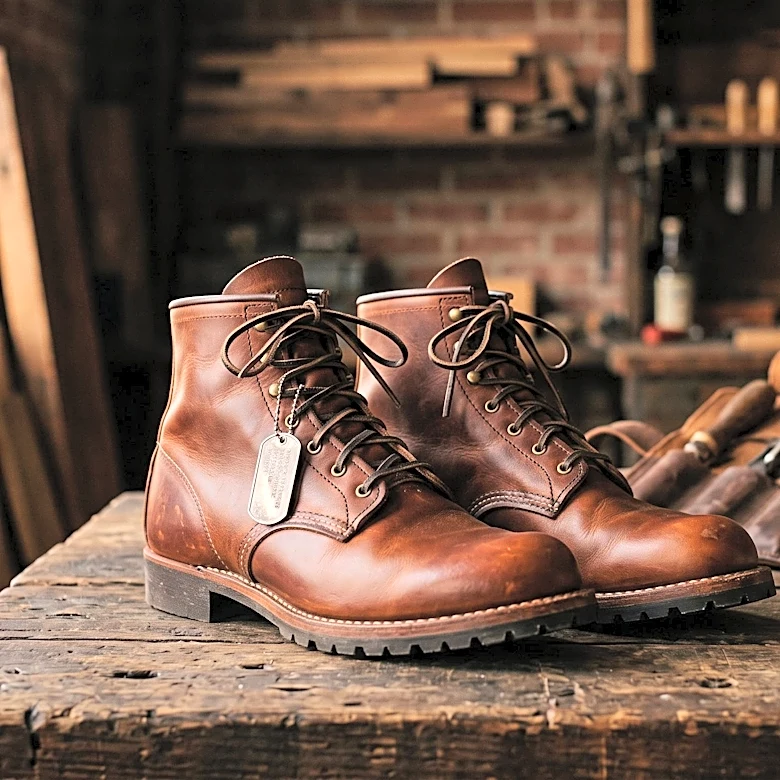
The rapid rise and potential decline of food-themed fashion reflect broader shifts in consumer culture, where virality often trumps longevity. The emphasis on 'shock value and gimmicks over function and brand identity' in some designs suggests a focus on immediate social media engagement rather than enduring style. This trend also touches upon ethical considerations, as the rapid production and disposal of fast fashion items contribute to environmental concerns. For brands, the challenge lies in moving beyond fleeting trends to create products with genuine storytelling and quality, as suggested by Sam Salad of Meals, an apparel company that subtly integrates food culture into workwear. This approach aims to foster a more sustainable and meaningful connection with consumers, moving away from the 'accelerated-trend-cycle disposability' that characterizes much of contemporary fashion.