





What's Happening?
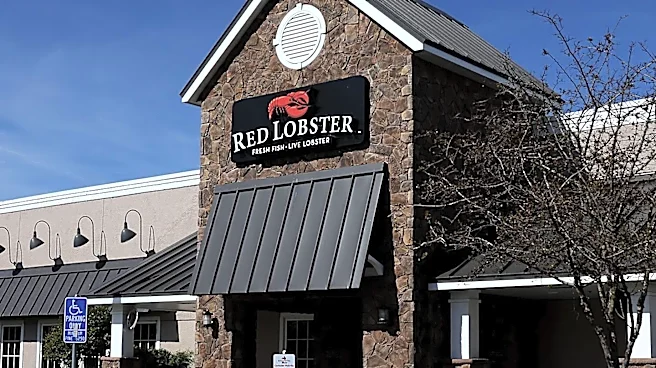
Red Lobster, a privately held seafood restaurant company headquartered in Orlando, Florida, is offering various appetizer deals and a diverse menu. The company, founded in 1968, operates globally with a significant presence in North America. Its appetizer menu features
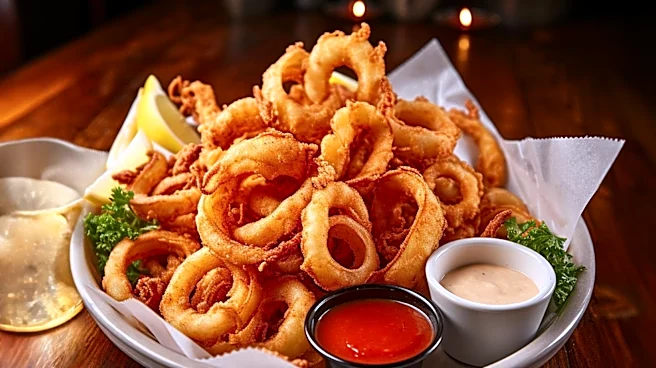
five items ranging from $9.49 to $14.99, with calorie counts between 510 and 880. Customers can take advantage of happy hour specials on weekdays from 3:00 to 6:00 PM at participating locations, which include $5 drinks and $2 off selected appetizers. The menu includes seafood-based options like Seafood-Stuffed Mushroom Caps, Lobster & Langostino Flatbread, Garlic Butter Mussels, and Coconut-Crusted Jumbo Shrimp. For those avoiding seafood, Crispy Mozzarella Bites are available. The company emphasizes that Cheddar Bay Biscuits are provided free with dine-in meals.
Why It's Important?
These offerings from Red Lobster are important for the U.S. restaurant industry as they highlight strategies to attract and retain customers in a competitive market. By providing affordable options and happy hour deals, Red Lobster aims to increase foot traffic and sales, which can influence other casual dining establishments to adopt similar promotional tactics. The inclusion of both seafood and non-seafood appetizers caters to a broader customer base, addressing diverse dietary preferences and potential allergies. This approach helps maintain the company's market share and revenue, contributing to the overall economic health of the food service sector. The emphasis on value, such as the free Cheddar Bay Biscuits, also plays a role in consumer perception and loyalty, impacting how customers choose dining destinations.
What's Next?
Red Lobster's continued focus on value and diverse menu options suggests a strategy to adapt to evolving consumer demands and economic pressures. The success of their happy hour deals and varied appetizer selections could lead to further expansion of such promotions or the introduction of new menu items designed to appeal to a wider audience. Other restaurant chains may observe Red Lobster's performance with these strategies and potentially implement similar approaches to remain competitive. The company will likely continue to monitor customer feedback and sales data to refine its offerings, potentially adjusting prices, introducing seasonal specials, or expanding its catering services. This ongoing adaptation is crucial for maintaining relevance and profitability in the dynamic U.S. restaurant landscape.
Beyond the Headlines
The strategic pricing and menu diversity at Red Lobster reflect broader trends in the U.S. casual dining sector, where restaurants are increasingly challenged to balance affordability with quality. The availability of both seafood and non-seafood options, along with detailed calorie information, speaks to a growing consumer demand for transparency and dietary considerations. This trend extends beyond Red Lobster, influencing how food establishments across the country design their menus and marketing. The emphasis on happy hour deals also highlights the importance of off-peak promotions in maximizing revenue and utilizing restaurant capacity more efficiently. These practices collectively shape consumer dining habits and contribute to the ongoing evolution of the American culinary experience, reflecting shifts in economic conditions, health consciousness, and lifestyle choices.