



What's Happening?
Japanese walking, also known as interval walking training, is a fitness method developed by researchers at Shinshu University in Japan. This technique involves alternating between three minutes of fast walking and three minutes of slow walking. The fast intervals
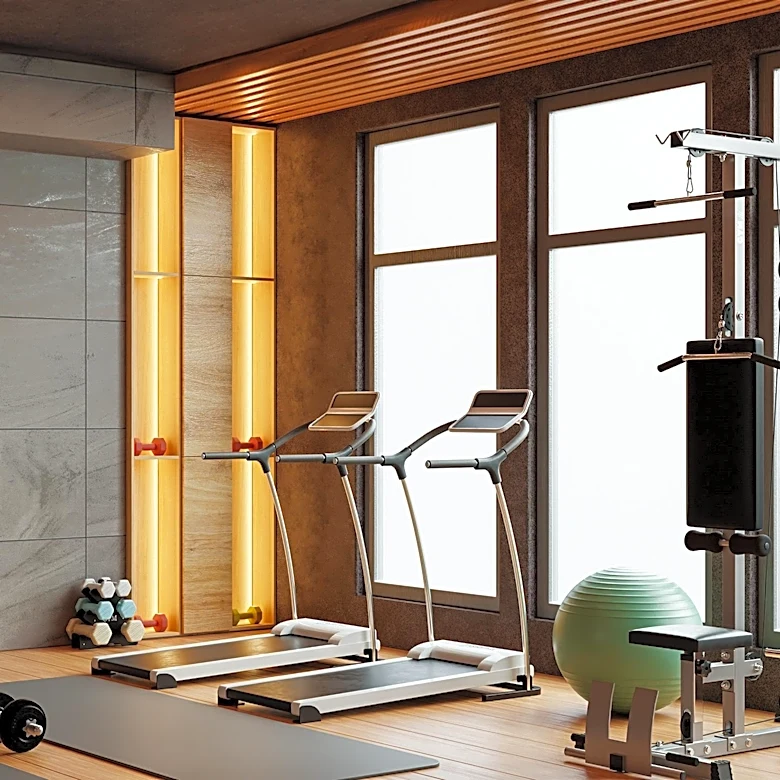
require walking at approximately 70% of one's maximum effort, where breathing is hard, and speech is limited to short phrases. Conversely, the slow intervals are performed at a relaxed pace, allowing breathing to settle. This regimen is typically practiced for about 30 minutes, at least four days a week. Studies on this method have indicated improvements in overall fitness, leg strength, and blood pressure, particularly among middle-aged and older adults. The method is adaptable for various fitness levels, including beginners, and can be performed on a treadmill by adjusting speeds according to the intervals. Presets are available for different durations and intensity levels, such as a beginner option with two minutes fast and three minutes slow.
Why It's Important?
This interval walking method presents a significant, low-impact approach to improving public health, especially for an aging population in the U.S. The reported benefits in fitness, leg strength, and blood pressure directly address common health concerns among middle-aged and older adults, potentially reducing the burden of chronic diseases. By offering a structured yet flexible exercise routine, Japanese walking could encourage greater physical activity among individuals who may find continuous high-intensity workouts challenging or intimidating. Its adaptability to treadmills makes it accessible regardless of weather conditions or outdoor safety concerns, broadening its appeal. The emphasis on measurable effort (70% maximum) provides clear guidance, which can lead to more effective workouts and better adherence. Widespread adoption could lead to a healthier populace, potentially decreasing healthcare costs associated with sedentary lifestyles and age-related health issues, benefiting both individuals and the healthcare system.
What's Next?
The continued promotion and accessibility of the Japanese walking method could lead to its integration into public health initiatives and fitness programs across the U.S. Fitness apps and wearable technology might further incorporate this specific interval training, offering guided sessions and tracking progress. Health organizations and community centers could develop workshops and group activities centered around this method to encourage participation and provide support. Further research may explore its long-term effects on various demographic groups and its potential benefits for specific health conditions. As awareness grows, there could be an increase in demand for fitness equipment and digital tools that facilitate this type of interval training. The simplicity and effectiveness of the method suggest it could become a staple in personal fitness routines, potentially influencing how physical activity is recommended and practiced.
Beyond the Headlines
The Japanese walking method highlights a broader shift in fitness philosophy towards accessible, sustainable, and scientifically backed exercise routines. It underscores the idea that significant health improvements do not always require high-intensity, complex, or time-consuming workouts. This approach challenges the common perception that 'more is always better' in exercise, instead advocating for smart, structured effort. The method's origin in Japan also reflects a cultural emphasis on longevity and preventative health, which could influence U.S. health perspectives. Ethically, promoting such a low-barrier-to-entry exercise can help address health disparities by making effective physical activity more attainable for diverse socioeconomic groups. It also encourages individuals to listen to their bodies and adjust intensity, fostering a more mindful approach to physical well-being rather than pushing to extremes, which can lead to injury or burnout.