



What's Happening?
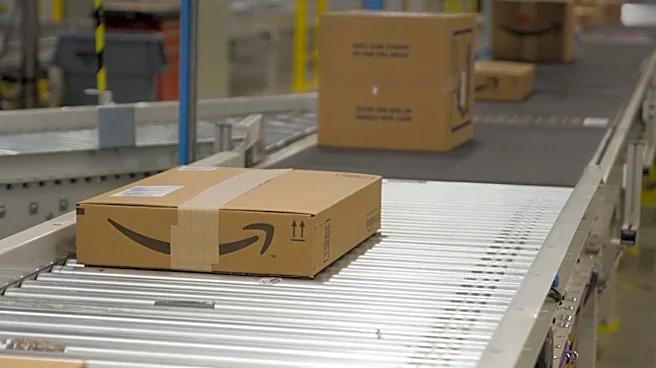
Amazon is planning to construct a second mega-center in eastern Connecticut, specifically a 1.1 million-square-foot distribution center in the Occum section of Norwich. This new facility is projected to create 500 full-time jobs, with Amazon stating its
average hourly wage nationally is $23. The company also estimates that the facility, similar to others nationally, could be assessed at over $150 million, generating several million dollars annually in new tax revenue for the city. Additionally, the construction phase is expected to create 200 temporary jobs. This proposal follows Amazon's existing infrastructure in Connecticut, including a 3.8 million-square-foot fulfillment center near Bradley International Airport and a 3.2 million-square-foot building nearing completion on the Waterbury/Naugatuck border. The company's developer, Bluewater Property Group, has indicated the project would result in approximately 60.9 acres of impervious area and would destroy 3 acres of wetlands, with a proposal to create and maintain about 9 acres of wetlands elsewhere.
Why It's Important?
This proposed Amazon mega-center signifies a significant economic development for eastern Connecticut, a region where easily developable land is more abundant and less expensive compared to the western part of the state. The creation of 500 full-time jobs and 200 temporary construction jobs will provide substantial employment opportunities and inject new income into the local economy. The projected millions in annual tax revenue could significantly boost Norwich's municipal budget, allowing for investments in public services and infrastructure. This expansion also highlights a broader trend of logistics operations moving into eastern Connecticut, attracted by its strategic location with easy access to major interstates like I-395, I-95, and the Mass Pike. The project's environmental impact, particularly the destruction and subsequent creation of wetlands, raises important considerations for local environmental policy and land use planning, balancing economic growth with ecological preservation.
What's Next?
The application for Amazon's proposed distribution center will be reviewed by Norwich's inland wetlands commission on October 1. This meeting will be a critical step in determining the project's feasibility, particularly concerning its environmental impact and the proposed wetlands mitigation plan. Community reactions, as observed on social media, suggest a desire for the city to negotiate with Amazon regarding potential tax abatements and to ensure a minimum number of jobs are reserved for Norwich residents. The outcome of the wetlands commission's review and subsequent city approvals will dictate the timeline for construction. If approved, the project will move forward with the creation of temporary construction jobs, followed by the establishment of the 500 full-time positions once the facility is operational. The city will also need to consider the long-term implications of increased truck traffic and infrastructure demands.
Beyond the Headlines
The Amazon mega-center proposal in Norwich reflects a larger national trend of e-commerce giants expanding their logistical footprints, driven by increasing consumer demand for rapid delivery. This expansion often brings a mix of economic benefits, such as job creation and tax revenue, alongside environmental and social challenges. The debate over tax abatements and incentives for large corporations like Amazon highlights ongoing discussions about corporate responsibility and equitable economic development. Local communities often grapple with balancing the allure of new jobs and revenue against concerns about environmental impact, increased traffic, and the potential strain on local resources. The emphasis on wetlands mitigation in this project underscores the growing importance of environmental considerations in large-scale industrial developments, pushing companies to adopt more sustainable practices or offset their ecological footprint. This case exemplifies the complex interplay between economic growth, environmental stewardship, and community welfare in modern industrial development.