


What's Happening?
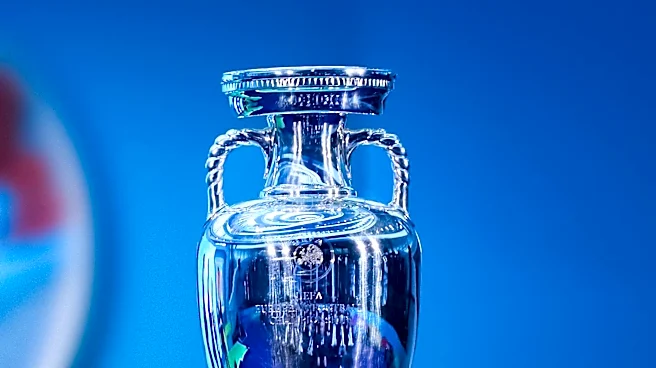
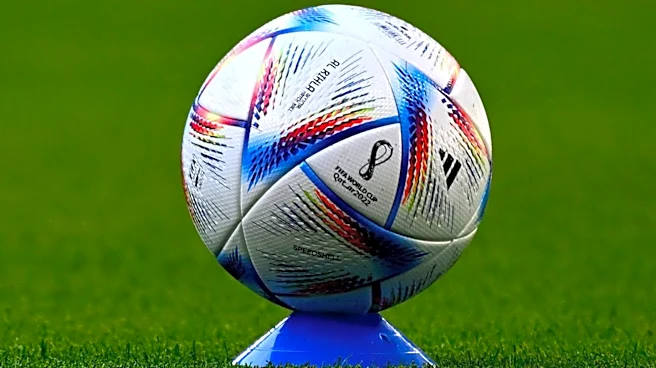
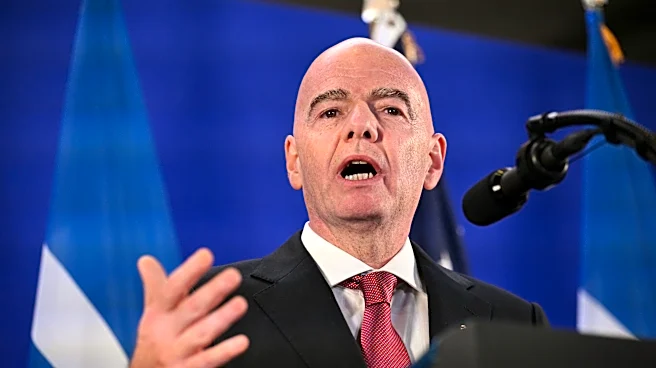
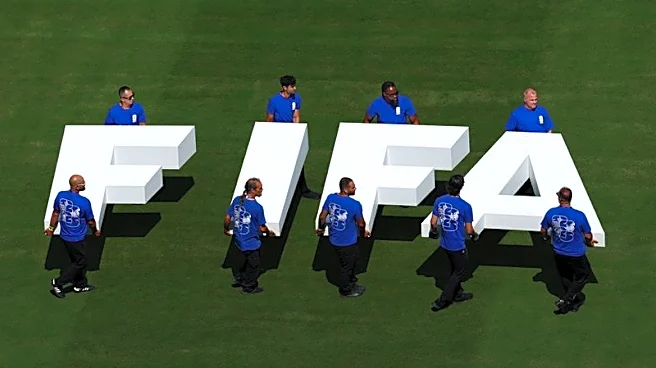
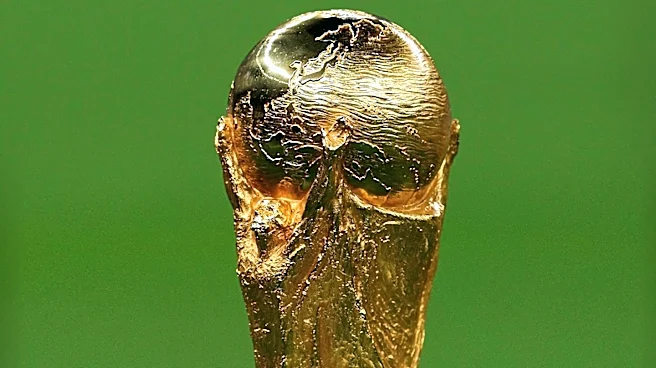
UEFA is opposing FIFA President Gianni Infantino's plan to sell off commercial rights to FIFA events, including the World Cup. This move is seen as a continuation of Infantino's previous attempts to expand FIFA's commercial reach, such as the failed $25
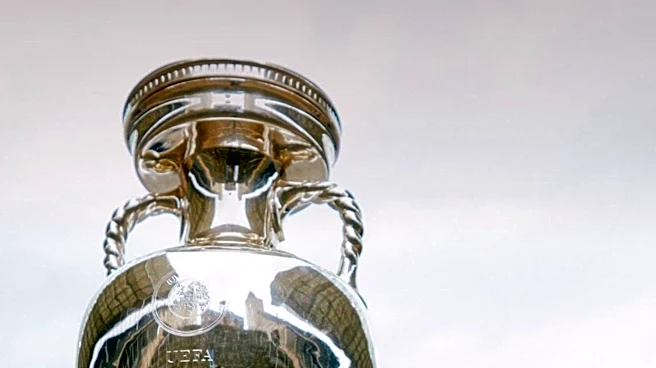
billion investment plan for the Club World Cup and the Global Nations League. UEFA has historically acted as a counterbalance to FIFA's more radical proposals, including the European Super League and biennial World Cups. The European football body is considering a boycott of the World Cup as a last resort to prevent the sell-off, emphasizing its significant influence in global football. UEFA's resistance is crucial as Europe is a major contributor to FIFA's revenue, providing a substantial portion of media rights income.
Why It's Important?
The conflict between UEFA and FIFA highlights the ongoing power struggle within global football governance. UEFA's opposition to FIFA's commercial strategies underscores the importance of maintaining a balance between commercial interests and the sport's integrity. The potential boycott by UEFA could significantly impact FIFA's financial and operational plans, given Europe's pivotal role in the sport. This situation also reflects broader concerns about the commercialization of football and the need for checks and balances in sports governance. The outcome of this dispute could set a precedent for how international sports organizations manage commercial rights and influence.
What's Next?
UEFA member nations are set to meet to discuss the possibility of a World Cup boycott, which could be a decisive factor in the ongoing dispute. The meeting will likely address strategies to counter FIFA's plans and explore alternative approaches to safeguard the interests of European football. The outcome of these discussions could influence future negotiations between UEFA and FIFA, potentially leading to a reevaluation of FIFA's commercial strategies. Stakeholders, including national football associations and fans, will be closely monitoring the developments, as the decisions made could have long-term implications for the sport.