





What's Happening?
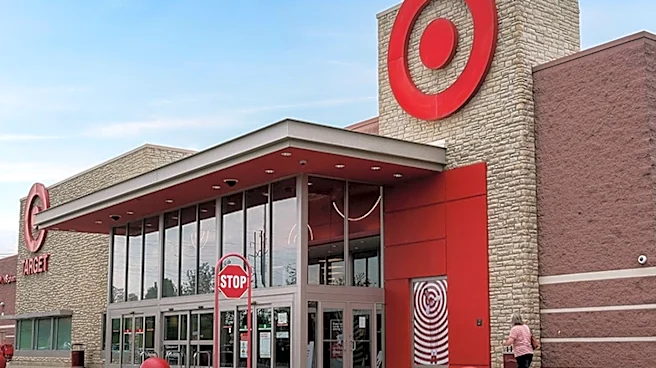
Target is undertaking its most significant store transformation in a decade, investing approximately $5 billion this year to remodel over 130 existing stores, open more than 30 new locations, and enhance technology and supply chain operations. These changes,
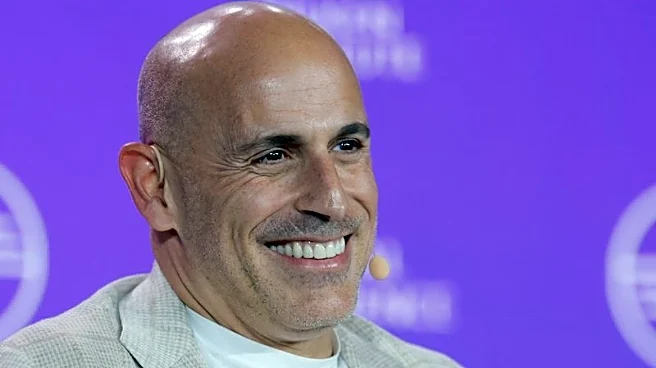
driven by new CEO Michael Fiddelke, who assumed the role in February 2026, aim to improve the customer experience and boost competitiveness against major retailers like Amazon and Walmart. The overhaul includes redesigning grocery aisles, expanding fresh produce sections, introducing nearly 5,000 new exclusive products, and updating home decor and beauty departments with 'hip and cool' aesthetics. Additionally, Target is adjusting its employee dress code to enforce stricter guidelines, requiring red shirts or company-provided vests and specific bottom wear. The company is also modernizing amenities like restrooms and nursing spaces, and implementing climate-friendly improvements such as natural refrigeration systems and more efficient lighting.
Why It's Important?
This extensive investment and strategic shift by Target are crucial for its long-term viability in a highly competitive retail landscape. By focusing on an enhanced in-store experience, expanded grocery offerings, and technological improvements, Target aims to differentiate itself from online giants and discount retailers. The emphasis on fresh produce and exclusive products could attract a broader customer base and increase basket sizes, as half of Target shoppers already purchase groceries during their visits. The updated store aesthetics and amenities are designed to create a more inviting shopping environment, potentially increasing dwell time and customer loyalty. Furthermore, the supply chain and technology upgrades are vital for efficiently managing the growing volume of online orders, in-store pickups, and returns, which have become central to modern retail operations. The success of these initiatives will determine Target's ability to maintain and grow its market share against formidable competitors.
What's Next?
Target will continue to roll out its store remodels and new locations throughout the year, with ongoing evaluations of their impact on sales and customer satisfaction. The company's leadership, under CEO Michael Fiddelke, will closely monitor the effectiveness of the revamped grocery sections and the reception of new exclusive products. Shoppers can expect to see continued changes in their local Target stores, and the company will likely use customer feedback and sales data to refine its strategy. The stricter employee dress code is already in effect, aiming to present a more consistent brand image. The long-term success of these changes will be measured by sustained sales growth and improved profitability, particularly as Target seeks to solidify its position against Amazon and Walmart.
Beyond the Headlines
The significant investment in physical stores by Target, amidst a broader trend towards e-commerce, highlights a strategic belief in the enduring value of the brick-and-mortar retail experience. This move suggests that even in the digital age, a well-designed and customer-centric physical space can be a powerful differentiator. The focus on 'hip and cool' decor and modernized amenities reflects an understanding of evolving consumer preferences, particularly among younger demographics who value aesthetics and convenience. The integration of climate-friendly improvements also signals a commitment to sustainability, which can enhance brand reputation and appeal to environmentally conscious consumers. This comprehensive overhaul could set a new standard for big-box retail, demonstrating how traditional stores can adapt and thrive by offering a blend of curated products, engaging environments, and efficient multi-channel services.