









What's Happening?
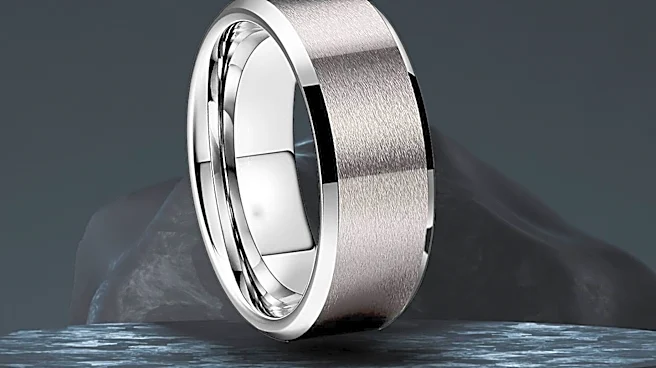
The Oura Ring 5 has been released with a significantly smaller design compared to its predecessor, the Oura Ring 4. While the new model offers a slight improvement in battery life and some new features, it remains primarily focused on daily life and sleep
tracking rather than sports. The ring's reduced size and weight make it more discreet, but its sports tracking capabilities lag behind other wearables. Despite the addition of new features, the Oura Ring 5 struggles with accurate sports tracking, and its integration with third-party platforms like Strava is limited, particularly in terms of heart rate data sharing.
Why It's Important?
The Oura Ring 5's release highlights the ongoing evolution of wearable technology, particularly in the realm of health and wellness tracking. Its smaller size may appeal to users seeking a discreet device for daily activity and sleep monitoring. However, its limited sports tracking capabilities suggest that it may not be the best choice for fitness enthusiasts who require detailed workout data. The ring's focus on general life tracking rather than sports could influence consumer preferences and the development of future wearable devices.
Beyond the Headlines
The Oura Ring 5's limitations in sports tracking raise questions about the balance between form factor and functionality in wearable technology. As consumers increasingly seek devices that offer comprehensive health and fitness insights, manufacturers may need to prioritize advancements in sensor technology and data integration. The Oura Ring's focus on sleep and daily activity tracking reflects a broader trend in the industry towards holistic health monitoring, which could shape future innovations in wearable tech.