




What's Happening?
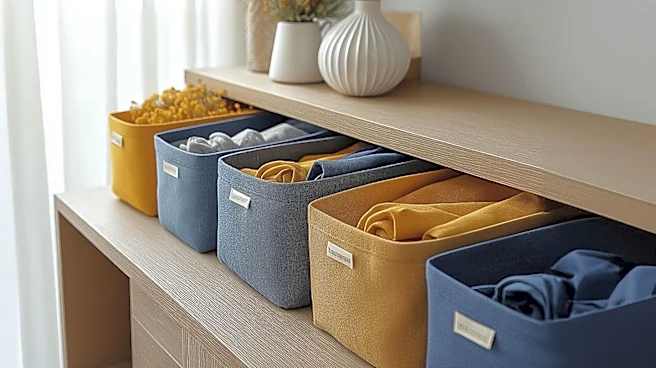
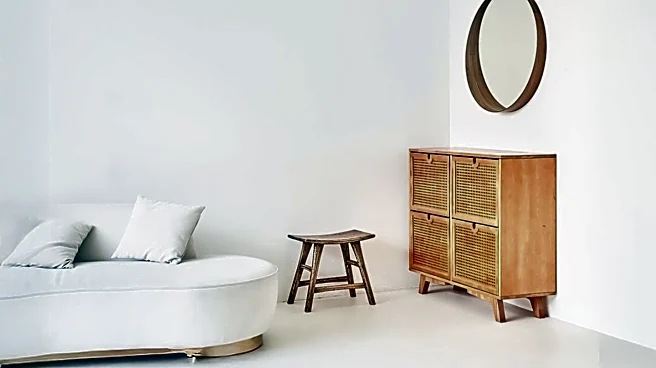
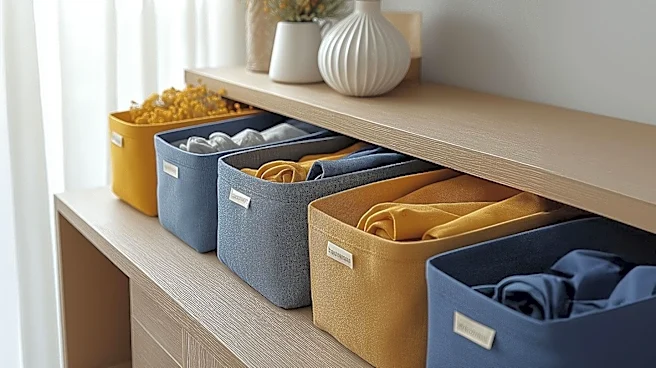
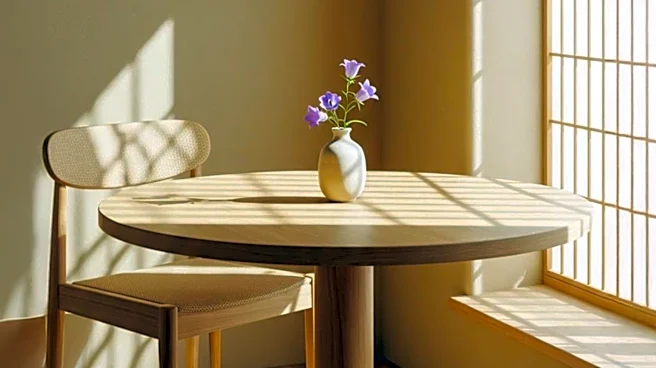
Japandi, an interior design style that combines Japanese minimalism with Scandinavian warmth, has become a globally loved aesthetic. This style emphasizes elegance without being cold, and minimalism without feeling empty, creating cozy yet uncluttered
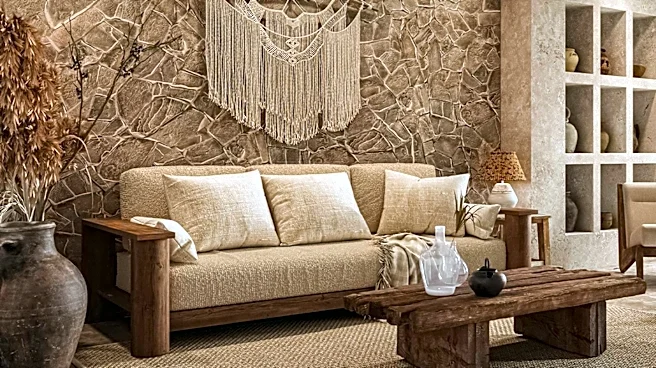
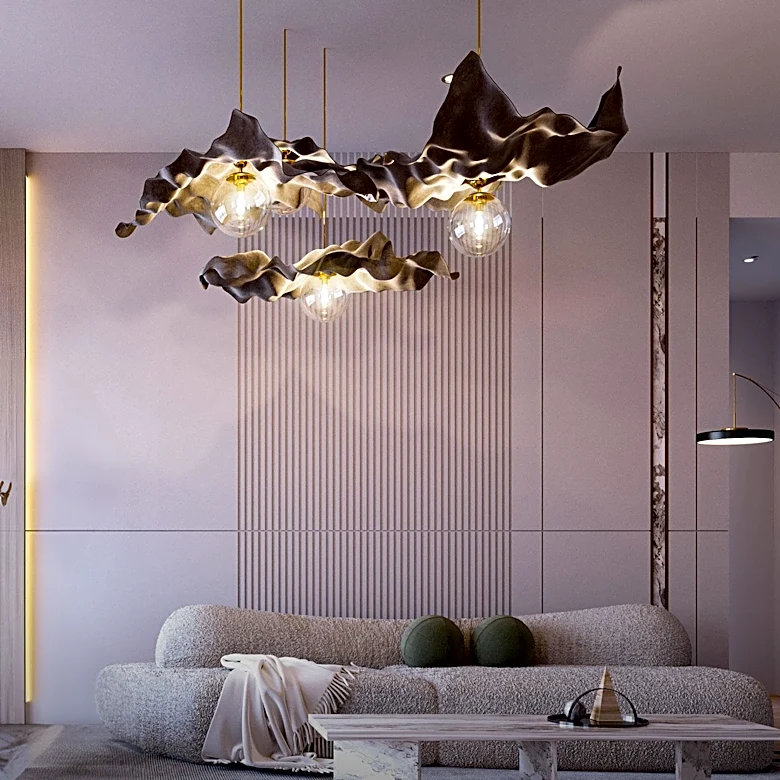
spaces. Its core principles include simplicity, where every item serves a purpose, and functionality, prioritizing practical furniture that often serves multiple uses. Japandi also embraces 'wabi-sabi,' a Japanese concept celebrating natural textures, handmade objects, and the beauty of imperfection, rather than striving for flawless symmetry. The design focuses on creating balance between contrasting elements like light and dark, soft and structured, and minimal and cozy, to achieve a peaceful atmosphere. The style is characterized by a neutral, earthy color palette inspired by nature, such as warm beige, sand, ivory, and muted olive green, with darker accents like charcoal or matte black for depth. Natural light is central, often complemented by layered, warm-toned artificial lighting.
Why It's Important?
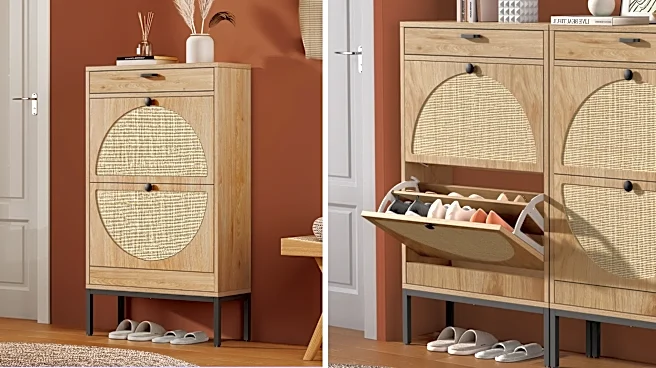
The rising popularity of Japandi design reflects a broader societal shift towards intentional living and a desire for calm, functional, and deeply personal home environments. This trend impacts the interior design industry, furniture manufacturers, and home decor retailers, as demand grows for pieces that align with Japandi's aesthetic—clean silhouettes, natural materials like oak, ash, bamboo, linen, and stone, and handcrafted items. Consumers are increasingly prioritizing quality over quantity, investing in timeless designs that offer longevity and versatility. The emphasis on natural materials and sustainable practices within Japandi also aligns with growing environmental consciousness, influencing production methods and material sourcing in the home goods sector. Furthermore, the focus on creating serene and balanced spaces can contribute to improved well-being and reduced stress for individuals, making home environments more conducive to relaxation and recharging in an increasingly fast-paced world.
What's Next?
As Japandi continues to gain traction, expect to see a further integration of its principles into mainstream interior design and retail offerings. Furniture brands are likely to expand collections featuring lower-to-the-ground designs, multi-functional pieces, and those crafted from natural, visibly textured materials. Home decor stores will likely increase their inventory of handcrafted ceramics, linen textiles, and sculptural lighting that align with the Japandi aesthetic. Educational resources and design services specializing in Japandi will also likely proliferate, catering to homeowners seeking to implement this style. The influence of Japandi may also extend to architectural design, promoting open, light-filled spaces and a seamless connection between indoor and outdoor environments. This sustained interest could lead to a long-term shift in consumer preferences, moving away from transient trends towards more enduring, thoughtful, and sustainable design choices for residential and even commercial spaces.
Beyond the Headlines
Beyond its aesthetic appeal, Japandi design embodies a philosophical approach to living that encourages mindfulness and appreciation for simplicity. The 'wabi-sabi' principle, which celebrates imperfection and the natural aging of materials, challenges conventional notions of perfection and consumerism. This cultural dimension promotes a deeper connection to objects and spaces, fostering a sense of authenticity and reducing the pressure to constantly update or replace items. The emphasis on natural light and bringing nature indoors through carefully selected plants also highlights a growing recognition of biophilic design's benefits for mental and physical health. By creating environments that feel balanced and harmonious, Japandi encourages a slower, more intentional way of life, potentially influencing broader lifestyle choices beyond home decor, such as consumption habits and personal well-being practices. This design movement could signify a lasting cultural shift towards valuing tranquility, functionality, and natural beauty in everyday life.