







What's Happening?
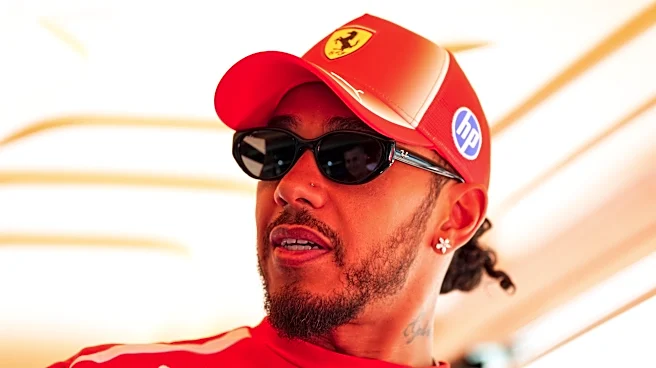
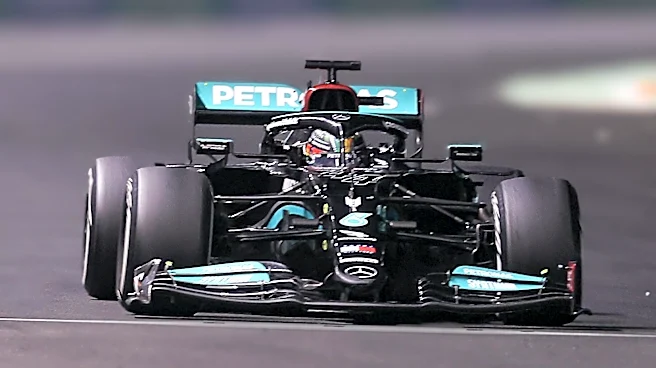
Mercedes CEO and team principal Toto Wolff has revealed how he knew Lewis Hamilton was coping well after the devastating loss of the 2021 Formula 1 world title at the Abu Dhabi Grand Prix. Hamilton, who was vying to become the first eight-time world champion,
lost to Max Verstappen on the final lap. According to Wolff, their frequent communication and Hamilton's immediate decision to spend time in the Caribbean, engaging in sports like kite surfing, indicated his stable mental state. Wolff expressed pride in Hamilton's improved ability to handle difficult moments, noting a significant personal growth in the driver. This period was described as the most challenging of Hamilton's career, as he went winless in 2023 and was not a contender for the world title.
Why It's Important?
This insight into Lewis Hamilton's resilience and coping mechanisms highlights the immense psychological pressure faced by top-tier athletes in high-stakes competitions. For Mercedes, understanding and supporting their star driver's mental health is crucial for team cohesion and future performance. Wolff's comments underscore the strong relationship between a team principal and a driver, emphasizing mutual support during challenging times. This dynamic can significantly influence a team's overall morale and strategic decisions. The ability of an athlete to rebound from such a significant setback is a testament to their mental fortitude, which is as vital as physical skill in competitive sports. This also provides a human element to the often-intense world of Formula 1, showing that even champions face personal struggles.
What's Next?
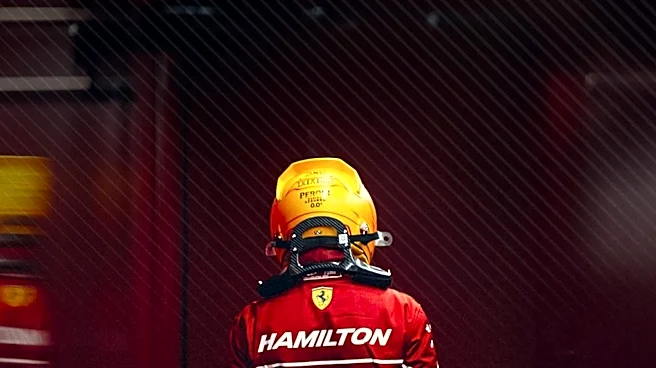
While the immediate aftermath of the 2021 season is in the past, the long-term implications for Lewis Hamilton's career and his relationship with Mercedes continue to evolve. His move to Ferrari in 2025 suggests a new chapter, but the lessons learned from the 2021 season will likely inform his approach to future challenges. For Mercedes, the focus will be on developing competitive cars and supporting their drivers to prevent similar winless seasons. The ongoing narrative of Hamilton's career, including his pursuit of an eighth world title, will be closely watched by fans and competitors alike. The psychological resilience demonstrated by Hamilton could serve as a model for younger drivers entering the sport.
Beyond the Headlines
The story delves into the often-unseen aspect of professional sports: the mental and emotional toll on athletes. Beyond the glitz and glamour of Formula 1, drivers like Hamilton face intense public scrutiny and personal disappointment. Wolff's remarks shed light on the importance of mental well-being and the support systems necessary for athletes to navigate such pressures. This narrative also subtly touches upon the broader societal conversation around mental health, normalizing the idea that even highly successful individuals require time and space to process setbacks. The ability to 'take distance' and engage in personal activities, as Hamilton did, is presented as a healthy coping mechanism, offering a valuable perspective on athlete welfare.