



What's Happening?
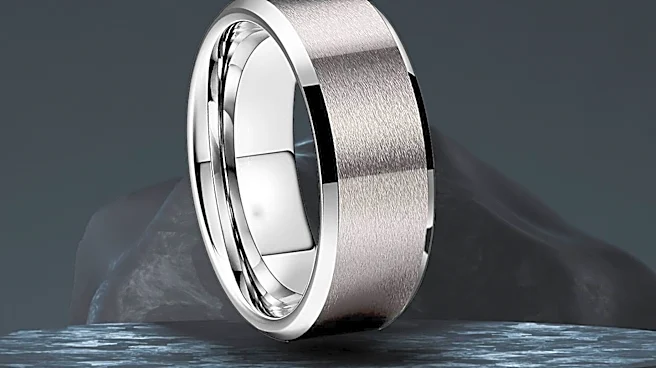
The Oura Ring 5 has experienced its lowest-ever price reduction during the Black Friday sale, with a £100 discount on all finishes, bringing the silver and other cheaper options down to £299. This model, launched only six months prior, is now available
at this reduced price from retailers including John Lewis, Oura, Amazon, Boots, Currys, and Argos. The older Oura Ring 4 is also part of the Black Friday sales, with discounts of up to 30% available at John Lewis, Boots, Amazon, and Currys. The Oura Ring 4 in matte black was noted as the cheapest deal on Amazon, with its price fluctuating but reaching as low as £189.99 in July. The Oura Ring is a screen-free smart ring that tracks over 50 health and wellbeing metrics, providing insights on sleep, recovery, activity, stress, and reproductive health through its accompanying smartphone app. The Oura Ring 5 is an upgrade from the Oura Ring 4, featuring a lighter, slimmer design, improved scratch resistance, more accurate sensor readings, and a longer battery life of six to nine days compared to the Ring 4's five to eight days.
Why It's Important?
The substantial price reduction for the Oura Ring 5, a relatively new product, makes advanced health tracking technology more accessible to a wider consumer base. This move during a major sales event like Black Friday could significantly boost adoption rates for smart rings, potentially shifting consumer preferences from traditional smartwatches or fitness trackers. Increased adoption of these devices could lead to a larger dataset for health insights, benefiting both individual users and potentially contributing to broader public health understanding through aggregated, anonymized data. The competitive pricing of both the Oura Ring 4 and 5 also intensifies the market for wearable health technology, pushing other manufacturers to innovate and potentially lower their prices. For consumers, this means more affordable options for detailed personal health monitoring, which can empower individuals to take a more proactive role in managing their sleep, activity, and overall well-being. The emphasis on a screen-free design also caters to a segment of the market seeking discreet and less intrusive health monitoring solutions.
What's Next?
The Black Friday sale for Oura Rings is scheduled to conclude on December 1st, encompassing Cyber Monday. Following this period, prices are expected to revert to their original levels, although retailers may introduce new promotions. Consumers interested in purchasing an Oura Ring will need to consider the ongoing monthly membership fee required to access all tracking features, which is a separate cost from the device itself. The increased market penetration due to these sales could lead to a larger user community, potentially fostering more data collection for Oura and further development of its health insights and features. Future product iterations may incorporate feedback from this expanded user base. The competitive landscape of wearable technology will likely continue to evolve, with other companies potentially responding to Oura's aggressive pricing strategies with their own discounts or new product launches.
Beyond the Headlines
The trend of offering significant discounts on advanced wearable technology like the Oura Ring highlights a broader shift in consumer electronics towards making sophisticated health monitoring more mainstream. This accessibility raises questions about data privacy and security, as these devices collect highly personal biometric information. While Oura emphasizes providing insights to users, the aggregation of such data, even anonymized, could have long-term implications for health research and personalized medicine. The reliance on a subscription model for full functionality also points to a growing trend in hardware sales, where the initial purchase is often just the entry point to an ecosystem of services. This model ensures recurring revenue for companies but also means consumers must factor in ongoing costs. Furthermore, the discreet nature of a smart ring, as opposed to a smartwatch, could influence social norms around visible technology and personal health tracking, potentially making it a more integrated and less conspicuous part of daily life.