


What's Happening?
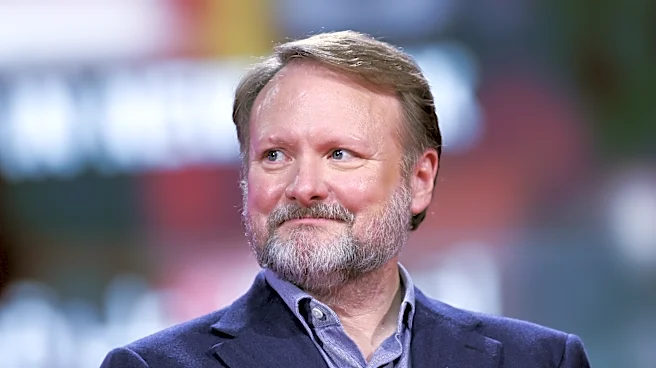
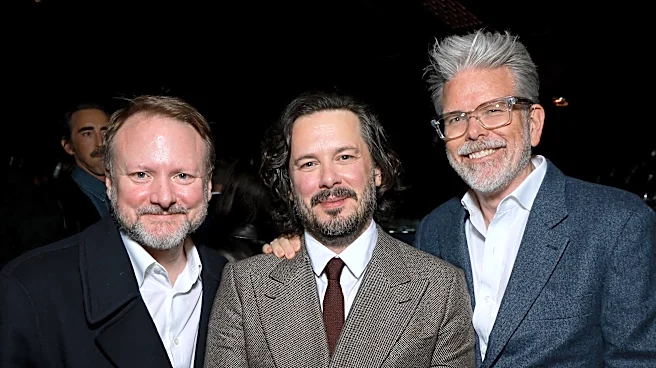
Filmmaker Rian Johnson expressed optimism about the future of independent filmmaking, emphasizing the growing importance of online platforms like YouTube for emerging directors. Speaking at the Marrakech Film Festival, Johnson compared YouTube's current
role to that of the Sundance Film Festival in the 1980s, serving as a vital avenue for filmmakers to gain visibility. He specifically cited the career trajectory of 27-year-old director Curry Barker, who gained fame after being discovered on YouTube. Barker initially built an online following with comedy partner Cooper Tomlinson on their YouTube channel 'that’s a bad idea,' before transitioning to horror. His 2023 short film 'The Chair' garnered millions of views, and his 2024 found-footage horror film 'Milk & Serial,' made for $800 and released free on YouTube, became a viral sensation. This success led to Barker signing with UTA in 2025 and eventually directing the theatrical hit 'Obsession,' a supernatural horror film that premiered at the Toronto International Film Festival in 2025 and secured distribution with Focus Features.
Why It's Important?
Johnson's perspective underscores a significant shift in the landscape of film distribution and talent discovery, challenging traditional gatekeepers like film festivals. The rise of platforms like YouTube provides unprecedented access for aspiring filmmakers to showcase their work directly to a global audience, bypassing conventional industry channels. This democratization of content creation and distribution can lead to a more diverse range of voices and stories reaching mainstream audiences. For the film industry, it means a broader talent pool and new models for identifying and nurturing directorial talent. The success of filmmakers like Barker and Kane Parsons, whose 'Backrooms' videos led to an A24 feature, demonstrates a viable alternative path to Hollywood, potentially reducing the barriers to entry for those without traditional industry connections or significant financial backing. This trend could foster greater innovation and risk-taking in independent cinema, as creators are less reliant on established funding and distribution networks.
What's Next?
The continued success of YouTube-discovered filmmakers is likely to encourage more aspiring directors to utilize online platforms as a primary launchpad for their careers. This could lead to increased investment in digital content creation tools and strategies by emerging artists. Film studios and talent agencies will likely continue to monitor online platforms more closely for new talent, potentially integrating digital discovery into their scouting processes. We may see more hybrid career paths where filmmakers leverage online success to secure traditional theatrical releases and studio deals. Additionally, the evolving landscape might prompt film festivals to adapt their strategies, perhaps by incorporating more digital showcases or collaborating with online platforms to identify promising new works. The emphasis will remain on compelling storytelling and craft, regardless of the initial distribution method, as Johnson noted that the platform matters less than the quality and connection of the work itself.
Beyond the Headlines
This shift has broader implications for artistic industries beyond film, suggesting a future where direct-to-consumer platforms empower creators across various mediums. It challenges the traditional hierarchical structures of creative industries, potentially leading to a more meritocratic system where talent and audience engagement are paramount. Ethically, it raises questions about intellectual property rights and fair compensation for creators on these platforms, as well as the potential for content saturation and the challenge of standing out in a crowded digital space. Culturally, it reflects a growing preference for authentic, grassroots content and a diminishing reliance on established brands or institutions to validate artistic merit. This trend could foster a more dynamic and responsive creative ecosystem, where audience feedback and viral engagement play a significant role in shaping cultural trends and launching new artistic careers.