





What's Happening?
A comprehensive systematic review and meta-analysis, published in the European Heart Journal, has found that consuming whole grains is associated with improvements in several cardiovascular disease risk factors. The research, which included data from
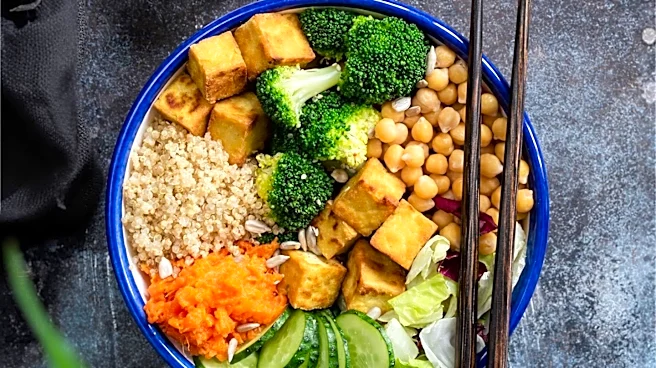
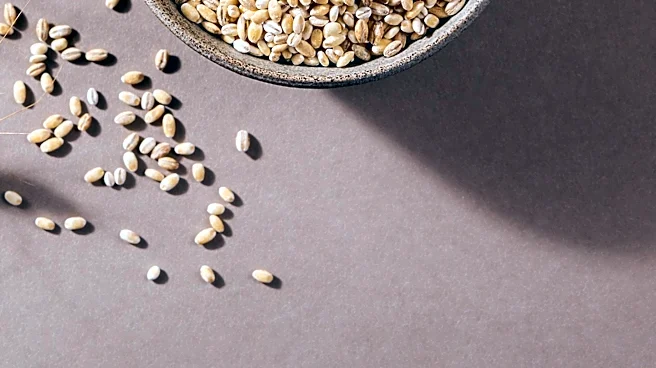
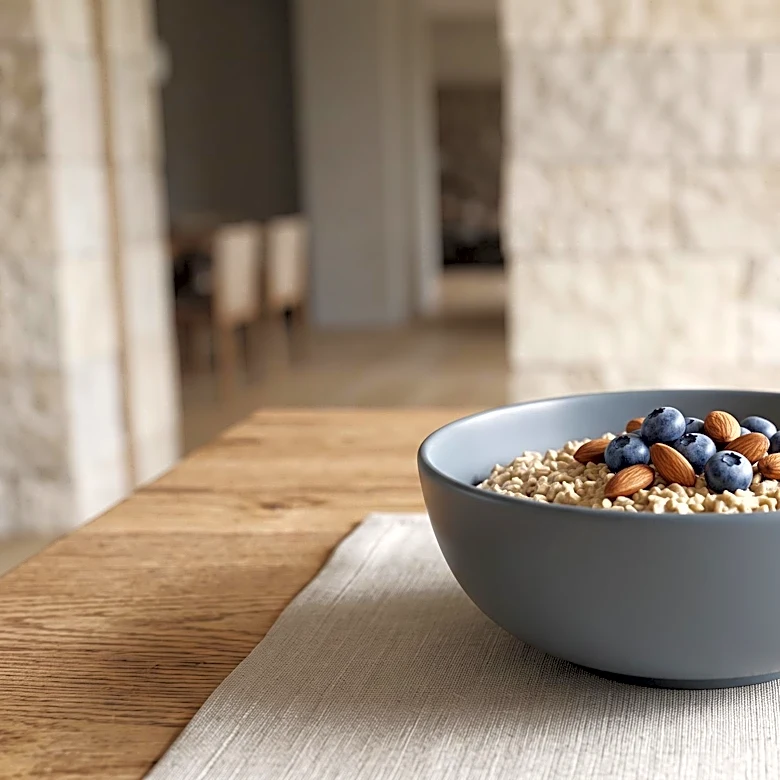
87 randomized controlled trials involving over 6,500 participants, indicates that incorporating whole grains into the diet can lead to modest reductions in total cholesterol, LDL ('bad') cholesterol, and improvements in systolic blood pressure, fasting blood sugar, body weight, and waist circumference. The study conducted a dose-response analysis, revealing that benefits began to appear with approximately 30 to 40 grams of whole grains daily, with more pronounced improvements observed at around 60 to 100 grams per day (roughly four to six servings). This suggests that simply replacing refined grains with whole-grain alternatives, rather than necessarily increasing overall carbohydrate intake, can significantly enhance cardiometabolic health. Examples of whole grains include oats, brown rice, bulgur, buckwheat, barley, whole rye, and whole-wheat products.
Why It's Important?
Cardiovascular diseases remain a leading cause of morbidity and mortality in the U.S. and globally. This study provides robust evidence supporting the health benefits of whole grains, challenging the common misconception that all carbohydrates are detrimental to health. By demonstrating improvements in key risk factors such as cholesterol, blood pressure, and blood sugar, the findings offer a clear, actionable dietary strategy for the public. This is particularly important given the prevalence of highly processed foods in the American diet. Encouraging the substitution of refined grains with whole grains can be a simple yet effective public health intervention, potentially reducing the incidence of heart attacks, strokes, and other cardiovascular events. The study's emphasis on replacing rather than adding carbohydrates makes it a practical recommendation for individuals seeking to improve their health without drastic dietary overhauls. This could lead to significant long-term health benefits and a reduction in healthcare costs associated with managing cardiovascular diseases.
What's Next?
The study's findings reinforce existing dietary guidelines that recommend increased whole grain consumption. Public health campaigns and nutritional education efforts are likely to continue emphasizing the benefits of choosing whole-grain, less processed alternatives. Food manufacturers may also be encouraged to develop more whole-grain products and clearly label their whole grain content. Individuals are advised to gradually increase their whole grain intake to avoid digestive discomfort, as whole grains are rich in fiber. While the study did not identify a point where whole grains became harmful, it noted less data at very high consumption levels, suggesting that moderation and balance remain key. Future research may focus on the long-term impact of whole grain consumption on actual medical outcomes like heart attacks and strokes, as well as exploring optimal intake levels for various populations.
Beyond the Headlines
This research contributes to a broader understanding of the role of diet in preventing chronic diseases. It highlights the distinction between different types of carbohydrates and underscores the importance of food quality over mere quantity. The study's caveat about highly processed 'whole grain' products, which may still be high in added sugar, salt, and fat, is a crucial point. It emphasizes the need for consumers to look beyond marketing claims and consider the overall nutritional profile of foods. This deeper implication encourages a more critical approach to food choices and supports the movement towards less processed, whole foods. Ethically, this research empowers individuals with knowledge to make informed dietary decisions, potentially reducing reliance on pharmaceutical interventions for managing preventable conditions. Culturally, it may help shift perceptions of traditional staple foods like bread, rice, and pasta, encouraging a return to their whole, unprocessed forms.