

What's Happening?
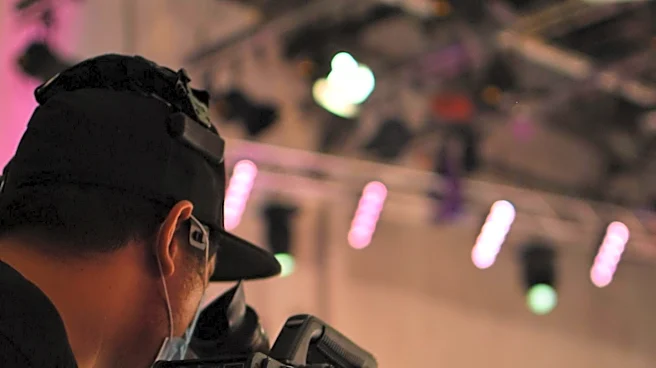
Despite a significant production downturn in Hollywood following the streaming content boom, Los Angeles-based crews are being lauded for their exceptional skill, experience, and efficiency in major television productions. Executive producer Tom Campbell
of 'RuPaul’s Drag Race' highlights the quality of life for L.A. crews, who can return home to their families, fostering a positive set environment. He also notes the unparalleled access to celebrity guest judges in Los Angeles, which would be difficult to secure in other filming locations globally. Production designer Jen Chu emphasizes the ease of acquiring specific props and raw materials within the city, attributing it to the extensive network and knowledge of local crew members. Similarly, veteran 'Abbott Elementary' producer Patrick Schumacker is set to film a new Netflix series in L.A., citing the city as home to the 'most skilled, most experienced and best of the best' in all production aspects, including a wealth of comedic acting talent. The ability to easily cast guest actors from the local pool is a significant advantage. The series 'Nobody Wants This' also benefits from authentic L.A. locations, which creators believe enhance the realism and audience engagement.
Why It's Important?
The continued reliance on and praise for Los Angeles crews underscore the city's enduring status as a global hub for television and film production, even amidst industry shifts and economic challenges. This concentration of talent, resources, and infrastructure provides a competitive edge, making L.A. an attractive location for high-profile projects. The ability to access a vast pool of skilled professionals, specialized vendors, and celebrity talent streamlines production processes and can lead to higher quality output. For the local economy, this sustained demand for L.A. crews translates into job security and opportunities for thousands of individuals working in various capacities, from production design to acting. The emphasis on local filming also supports ancillary businesses that cater to the entertainment industry, from prop houses to catering services. Furthermore, the authenticity derived from filming in genuine L.A. locations contributes to the cultural representation of the city in media, potentially boosting tourism and local pride. The contrast drawn with filming in New York, particularly regarding safety protocols, highlights differing operational environments and priorities within major production cities.
What's Next?
The ongoing success and preference for Los Angeles crews in major productions like 'RuPaul’s Drag Race,' 'Abbott Elementary,' and the upcoming Netflix series suggest a continued investment in the region's entertainment infrastructure. This trend may encourage more studios and streaming platforms to prioritize L.A. for their projects, potentially mitigating the effects of the recent production downturn. The positive experiences shared by producers and crew members could also influence future policy decisions regarding film incentives and support for the local industry. As new series, including the Netflix show mentioned by Patrick Schumacker, commence filming in L.A., they will further solidify the city's reputation as a premier production location. The industry will likely continue to adapt to evolving safety standards and production demands, with L.A. crews at the forefront of these changes. The insights gained from comparing filming experiences in different cities, such as New York, may also inform best practices and operational strategies for future productions.
Beyond the Headlines
The narrative surrounding L.A. crews extends beyond mere logistical advantages, touching upon the deeper cultural and professional ecosystem that has developed over decades. The 'dreams' and 'ambition' of individuals who come to Hollywood, as noted by Tom Campbell, contribute to a unique work ethic and a collective pursuit of excellence. This environment fosters a strong sense of community and collaboration among professionals, leading to an encyclopedic knowledge base and a network of resources that are difficult to replicate elsewhere. The ability to quickly source unusual props or specialized materials speaks to a highly developed supply chain tailored to the entertainment industry's often unpredictable demands. Moreover, the discussion about safety protocols, particularly the perceived difference between L.A. and New York, hints at varying regulatory landscapes and industry cultures that impact working conditions and production efficiency. This focus on crew well-being and safety, as highlighted by Bruce Eric Kaplan, could become an increasingly important factor in location scouting and production planning, reflecting a broader shift towards prioritizing worker welfare in the entertainment industry.