




What's Happening?
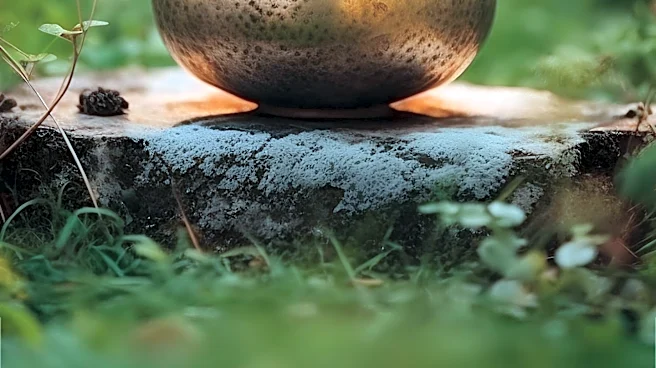
Sound baths are emerging as a popular wellness practice, utilizing instruments such as crystal bowls, gongs, and chimes to create immersive soundscapes designed to induce deep relaxation and meditation. Practitioners like Alice Moon and Fátima Teixeira
guide participants through these experiences, which aim to reduce stress and anxiety, enhance emotional balance, and improve sleep quality. The therapeutic use of sound vibrations is believed to work at a cellular level, fostering self-compassion, heightened awareness, and an overall sense of well-being. These sessions often involve participants lying down in a comfortable position while being enveloped in healing frequencies. The practice is gaining recognition for its ability to calm the mind and nervous system, offering a sanctuary from daily stressors.
Why It's Important?
The growing popularity of sound baths highlights a broader societal trend towards alternative and holistic approaches to mental and physical well-being in the U.S. As stress levels and anxiety continue to be significant concerns for many Americans, practices like sound baths offer an accessible and non-pharmacological method for managing these issues. This trend impacts the wellness industry, leading to increased demand for certified sound bath facilitators and dedicated spaces for these sessions. It also reflects a shift in consumer preferences, with more individuals seeking experiences that promote introspection and self-awareness. The accessibility of these practices, with some facilitators offering free tickets or unique venues like mattress stores, suggests an effort to democratize wellness, making it available to a wider demographic beyond traditional, often expensive, wellness retreats. This could lead to a more integrated approach to health, where complementary therapies play a larger role alongside conventional medicine.
What's Next?
The expansion of sound bath practices is likely to continue, with more facilitators emerging and a diversification of venues beyond traditional wellness centers. Alice Moon, for instance, hosts sound baths in a mattress store, demonstrating innovative approaches to making these experiences more accessible and comfortable. There may be an increase in corporate wellness programs incorporating sound baths to address employee stress and burnout. Furthermore, the integration of sound baths with other wellness modalities, such as cannabis-friendly sessions, could become more prevalent, catering to specific preferences and needs. The focus on making wellness accessible, as exemplified by Moon's initiative to offer free tickets, suggests a future where these practices are more widely available to diverse communities, potentially leading to broader public health benefits related to stress reduction and improved mental health.
Beyond the Headlines
The rise of sound baths points to a deeper cultural yearning for tranquility and connection in an increasingly chaotic world. Beyond their immediate benefits of relaxation, these practices tap into the ancient understanding of sound as a healing modality, suggesting a re-evaluation of non-Western therapeutic traditions. The emphasis on self-care and mindfulness within sound bath experiences reflects a societal shift towards prioritizing inner well-being and mental health. This movement challenges the notion that productivity and constant activity are paramount, instead advocating for moments of stillness and introspection. The innovative use of unconventional spaces, like mattress stores, for sound baths also highlights a creative adaptation within the wellness industry to meet demand and overcome barriers to access, potentially fostering a more inclusive and diverse wellness landscape. This could lead to a broader acceptance and integration of such practices into mainstream health and wellness routines.