






What's Happening?
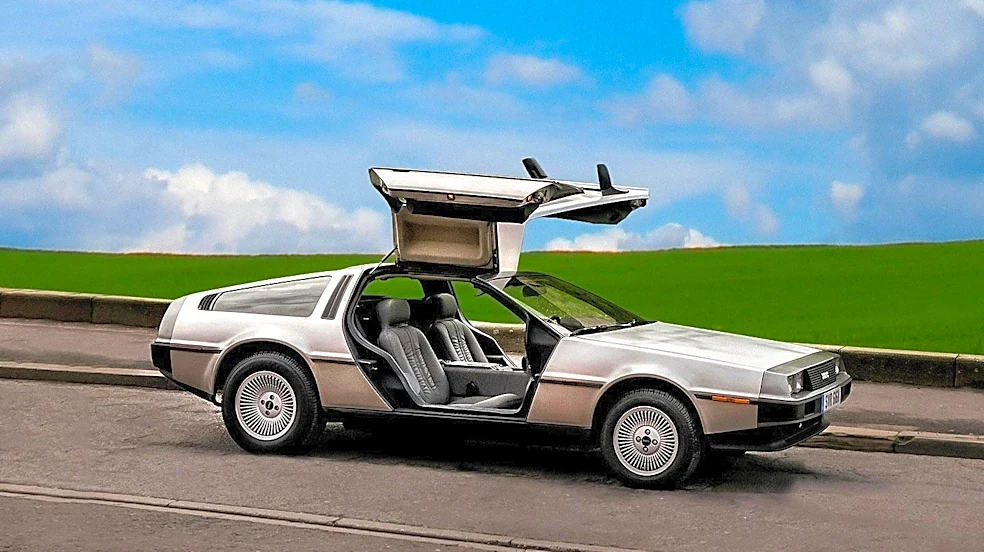
Chris Jericho, the Fozzy frontman and wrestling personality, recently shared his candid opinion on the DeLorean car during an episode of his 'Talk Is Jericho' podcast. While discussing the 'Back to the Future' franchise with Brad Gilmore, Jericho stated
that he finds DeLoreans to be 'clunky and crappy' when viewed up close. This sentiment arose after Gilmore noted the enduring popularity of DeLoreans among fans of the film series. Jericho clarified that his appreciation for the movies does not extend to the vehicle itself. He recounted seeing a DeLorean owned by fellow WWE star Sheamus, an experience that solidified his negative impression of the car's aesthetics and design. Despite the DeLorean's iconic status due to its role as a time machine in the 'Back to the Future' films, Jericho believes that 'movie magic' played a significant role in making the car appear more appealing than it is in reality. He indicated that he has no plans to acquire one for himself.
Why It's Important?
This commentary from a prominent public figure like Chris Jericho, known for his outspoken nature and wide reach, highlights the subjective nature of design and cultural icons. The DeLorean, while a commercial failure in its original production, achieved legendary status through its cinematic portrayal. Jericho's remarks challenge this idealized perception, potentially influencing how a segment of his audience views the car. This situation underscores the power of media in shaping public opinion and the lasting impact of fictional narratives on real-world objects. For enthusiasts and collectors of movie memorabilia, Jericho's perspective might be seen as controversial, as it directly critiques an object deeply intertwined with a beloved film franchise. It also serves as a reminder that even widely recognized symbols can be subject to differing interpretations and personal taste, regardless of their cultural significance.
What's Next?
While Jericho's comments are unlikely to significantly impact the market for DeLoreans, they could spark further discussions among fans of 'Back to the Future' and car enthusiasts. Social media platforms and fan forums may see increased debate regarding the DeLorean's design merits and its status as a cultural icon. It's possible that other celebrities or public figures might weigh in on the topic, either agreeing with Jericho's assessment or defending the car's unique appeal. For the DeLorean community, this could be an opportunity to engage in dialogue about the car's history, engineering, and the reasons behind its enduring fascination, beyond its Hollywood fame. The discussion may also prompt a re-evaluation of how film influences the perception and value of real-world products.
Beyond the Headlines
Jericho's critique of the DeLorean touches upon a broader phenomenon where cultural artifacts gain immense popularity and perceived value not from their inherent qualities, but from their association with powerful narratives. The DeLorean's journey from a commercially unsuccessful vehicle to a cinematic legend illustrates how storytelling can transform an object's identity. This case highlights the distinction between practical design and symbolic significance. While the DeLorean may have had design flaws from an automotive engineering perspective, its role in 'Back to the Future' imbued it with a mystique that transcends its original limitations. This dynamic is prevalent across various industries, where branding and narrative often contribute more to an item's desirability than its functional attributes, raising questions about authenticity versus perceived value in popular culture.