






What's Happening?
Vistra Corp. (NYSE:VST), an integrated energy company, is being highlighted as a significant beneficiary of the surging power demand from AI data centers. The company generates electricity from various sources, including natural gas and nuclear plants,
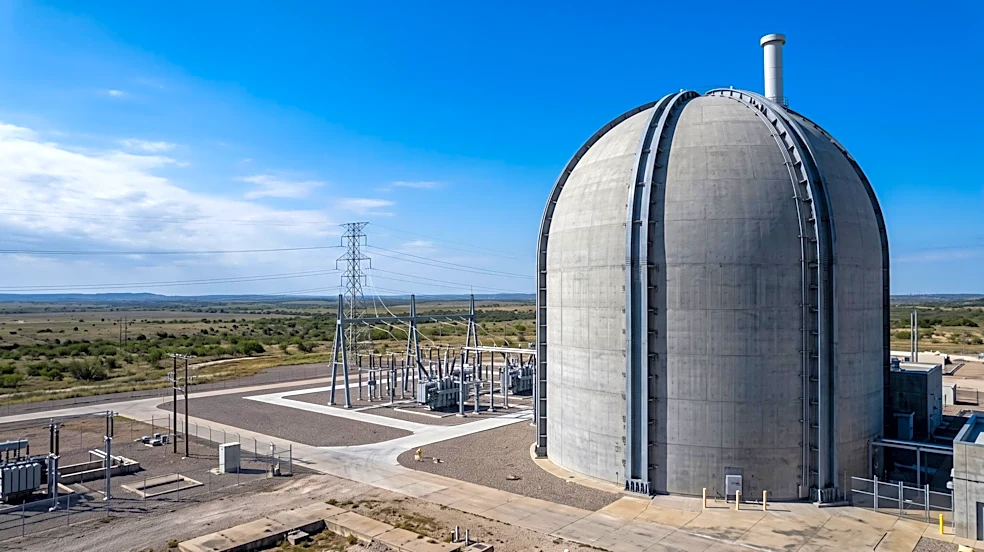
and has secured long-term power purchase agreements with major hyperscalers. Notably, Meta signed a 20-year nuclear deal for approximately 2.6 gigawatts, and Amazon secured a 20-year deal for about 1.2 gigawatts at Vistra's Comanche Peak plant in Texas. The U.S. Department of Energy has also issued a conditional loan commitment of up to $4.2 billion to upgrade three of Vistra's nuclear plants, adding 433 megawatts and extending their operations. Despite these positive developments, Vistra's stock has seen a decline of about 25% over the past year, partly due to concerns about low ERCOT power prices in Texas and long-term guidance missing expectations.
Why It's Important?
Vistra's ability to secure long-term contracts with major technology companies like Meta and Amazon for nuclear power is a critical development. These agreements provide Vistra with significant earnings visibility and stability, mitigating some of the market volatility associated with energy prices. The Department of Energy's substantial loan commitment underscores the strategic importance of Vistra's nuclear assets in meeting the nation's growing energy demands, particularly from the energy-intensive AI sector. This government backing not only de-risks Vistra's nuclear upgrade projects but also signals a broader recognition of nuclear power as a reliable and essential component of the future energy mix. The PJM market's projected peak demand increase of 30 gigawatts through 2030, largely driven by AI data centers, positions Vistra to be a key player in supplying this critical infrastructure, offering a competitive edge over traditional utilities.
What's Next?
Vistra is expected to proceed with the upgrades to its nuclear plants, with the additional capacity phased in through 2034 and deliveries for the Meta contract beginning at the end of 2026. The company will also continue to pursue its uprate applications with the Nuclear Regulatory Commission. The success of these projects and the continued growth in AI data center demand will be crucial for Vistra's long-term performance. The pending Cogentrix acquisition will also add to Vistra's debt, and its integration will be a key factor to watch. Investors will be looking for signs that Vistra can effectively manage its debt while capitalizing on the robust demand for power from the technology sector. The company's ability to address concerns about Texas power prices and meet its long-term guidance will also be vital for stock recovery.
Beyond the Headlines
The focus on Vistra as a key supplier for AI data centers highlights a profound shift in the energy sector, where the digital economy is becoming a primary driver of electricity demand. This trend necessitates significant investment in reliable, always-on power sources, making nuclear energy increasingly attractive. The long-term power purchase agreements with tech giants demonstrate a growing trend of direct engagement between energy producers and large-scale consumers, bypassing traditional utility structures. This could reshape the energy market, fostering more direct relationships and potentially accelerating the adoption of advanced energy technologies. However, the challenges Vistra faces, such as managing debt and navigating regulatory environments, underscore the complexities of scaling energy infrastructure to meet unprecedented technological demands. The company's trajectory will offer insights into how the U.S. energy grid adapts to the demands of the AI era.