


What's Happening?
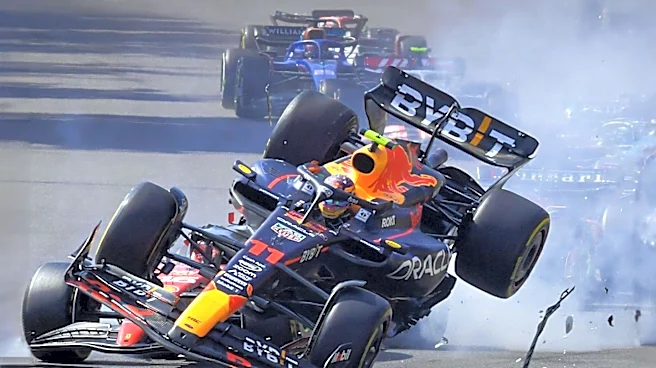
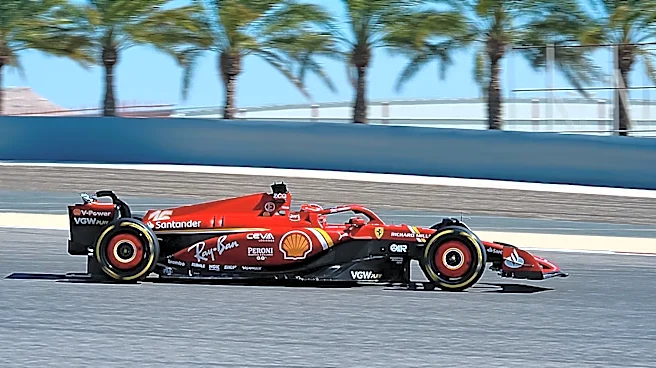
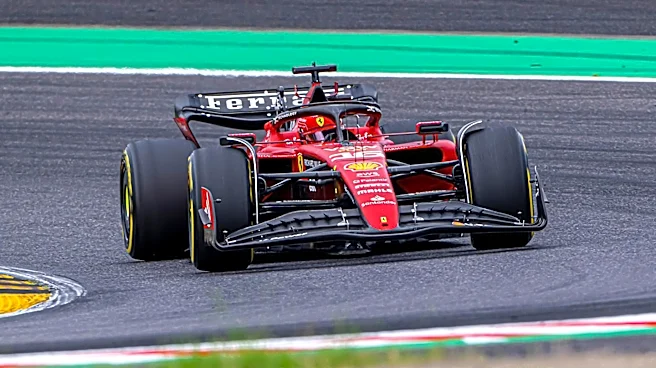
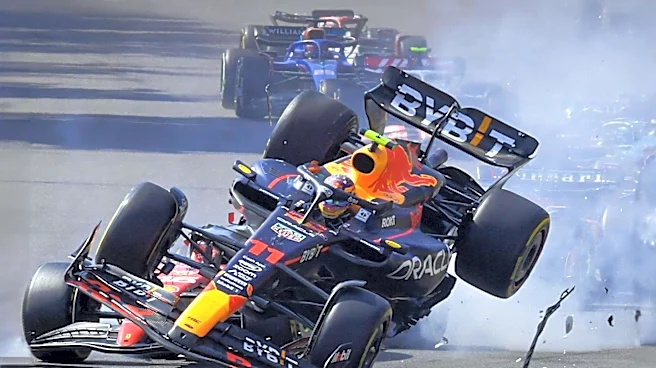
Formula 1 driver Carlos Sainz has called for greater understanding and patience from front-running drivers when encountering lapped cars during races. This plea comes after an incident at the United States Grand Prix where Sainz, while being lapped, inadvertently
impeded race leader Kimi Antonelli, causing Antonelli to lock up and run off track. Sainz explained that the significant speed differential, sometimes up to three or four seconds per lap, between top cars and backmarkers makes it challenging for slower cars to predict the exact moment to yield. He emphasized that drivers in his position are doing their best to move out of the way, but miscalculations can easily occur due to the rapid closing speeds. This is not the first time Sainz has been involved in such a situation this season, having received a five-second time penalty at the Hungarian Grand Prix for a collision with Oscar Piastri while being lapped. Sainz, drawing on his experience of being both a leader and a backmarker, stressed that yielding is more complex than it appears from the perspective of a leading car.
Why It's Important?
Sainz's comments highlight a recurring issue in Formula 1 that impacts race dynamics and fairness. The interaction between leading cars and lapped traffic can significantly influence race outcomes, potentially altering championship battles or individual race results. For front-runners, any delay caused by a backmarker can cost crucial time, especially in tight races or during strategic pit windows. Conversely, for backmarkers, the pressure to yield quickly and safely can lead to errors or compromised race lines, further impacting their own performance. This situation also raises questions about driving standards and the interpretation of blue flag rules, which mandate slower cars to allow faster cars to pass. A lack of patience or understanding from either side can lead to penalties, collisions, and frustration, affecting the integrity and excitement of the sport. Sainz's perspective, coming from a driver who has experienced both ends of the spectrum, underscores the need for a balanced approach to ensure competitive racing while maintaining safety and fair play.
What's Next?
The discussion initiated by Carlos Sainz could prompt further dialogue among Formula 1 drivers, teams, and race stewards regarding the management of lapped traffic. While no immediate rule changes are indicated, increased awareness and empathy among drivers might lead to fewer contentious incidents in future races. Drivers who are typically at the front of the grid may be encouraged to exercise more caution and allow a slightly larger margin when approaching lapped cars, understanding the difficulties involved. Conversely, backmarkers might be more proactive in finding safe opportunities to yield. Race control could also review the application of blue flag penalties to ensure consistency and fairness, considering the nuances Sainz has pointed out. Ultimately, the ongoing conversation aims to refine the unwritten rules of engagement between cars of vastly different paces, contributing to smoother and safer racing for all competitors.
Beyond the Headlines
Beyond the immediate on-track implications, Sainz's remarks touch upon the broader psychological and strategic aspects of Formula 1 racing. The pressure on drivers, regardless of their position, is immense, and interactions with lapped traffic add another layer of complexity. For teams, managing their drivers' expectations and strategies around blue flags is crucial, as a misstep can cost valuable points or even lead to retirements. The issue also subtly highlights the performance disparity within the F1 grid, where some teams are consistently much faster than others. While this is inherent to the sport, it creates these challenging scenarios. The debate also reflects the constant tension between individual driver performance and the collective responsibility to maintain race flow and safety. It's a reminder that even in a highly competitive individual sport, cooperation and mutual understanding among competitors play a vital role in ensuring fair and exciting contests.