
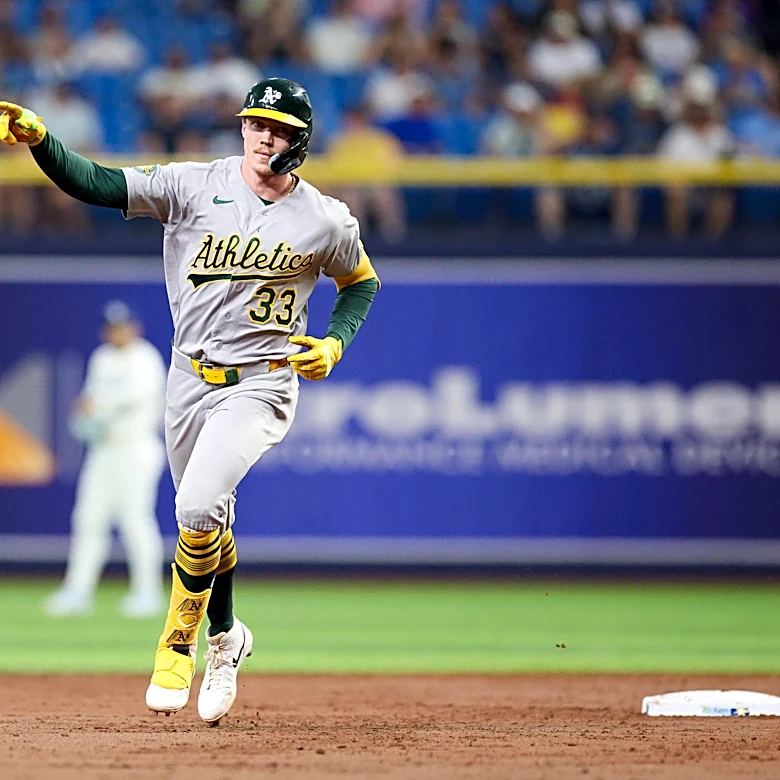


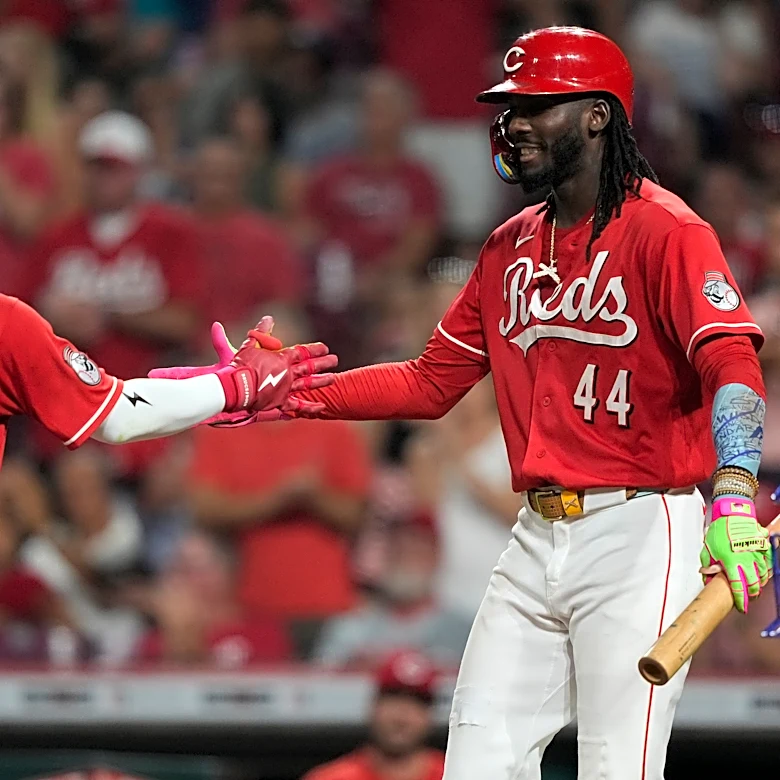




What's Happening?
Major League Baseball's decision to limit September roster expansion to 28 players, a change implemented in 2020, has significantly impacted the role of dedicated pinch runners. Historically, teams would expand their rosters to up to 40 players in September,
allowing for the call-up of specialized players whose primary role was pinch running. This practice, once a beloved tradition, enabled players with exceptional speed, like Terrance Gore and Billy Hamilton, to make significant contributions in late-season games and even launch careers. However, with the current 28-player limit, teams are now prioritizing versatility and multi-dimensional players, making it difficult to justify a roster spot for a player whose sole contribution is running the bases. This shift has effectively led to the near extinction of the September pinch runner, as exemplified by Rudy Martin Jr.'s brief opportunity with the Toronto Blue Jays, which was cut short by injury.
Why It's Important?
The decline of the dedicated September pinch runner represents a significant shift in Major League Baseball's strategic landscape and player development pathways. Previously, September call-ups offered a unique opportunity for speed specialists to showcase their talent and potentially secure long-term careers, impacting pennant races and championship outcomes. The current roster rules, while aiming to streamline late-season games and reduce the perceived 'slog' of frequent pitching changes, have inadvertently closed a crucial avenue for a specific type of player. This change affects minor league players who might have once aspired to a big-league role based primarily on their speed. It also forces teams to re-evaluate how they utilize their limited roster spots, emphasizing players who can contribute in multiple facets of the game. The impact extends to the game's dynamics, as managers now have fewer specialized options for late-game situations requiring speed on the bases.
What's Next?
The trend of prioritizing versatile players over specialists is likely to continue under the current MLB roster rules. Minor league instructors, such as Tim Locastro, are now advising young players that speed alone is no longer sufficient for a September call-up; they must develop all aspects of their game. This will lead to a greater emphasis on well-rounded player development in minor league systems. Teams will continue to use their limited September roster spots for players who can offer defensive flexibility, platoon advantages, or contribute in various roles beyond a single specialized skill. The future of pinch running as a strategic element in late-game situations will depend on players who possess both speed and other valuable skills, or on potential future rule adjustments that might once again create opportunities for specialized roles.
Beyond the Headlines
The evolution of the September pinch runner reflects a broader philosophical shift in professional sports, moving from highly specialized roles to an emphasis on versatility and efficiency. The 'Moneyball' era, while initially championing data-driven insights to find undervalued skills, has paradoxically contributed to a game where single-skill players are less valued due to roster constraints. This change highlights the tension between traditional baseball strategies, which often celebrated niche talents, and modern analytical approaches that prioritize overall value and multi-faceted contributions. The disappearance of the dedicated pinch runner also subtly alters the narrative of the game, as fewer underdog stories emerge from players whose sole exceptional skill could turn the tide of a crucial game. It underscores how rule changes, even seemingly minor ones, can have profound and lasting effects on player careers, team strategies, and the very character of the sport.