






What's Happening?
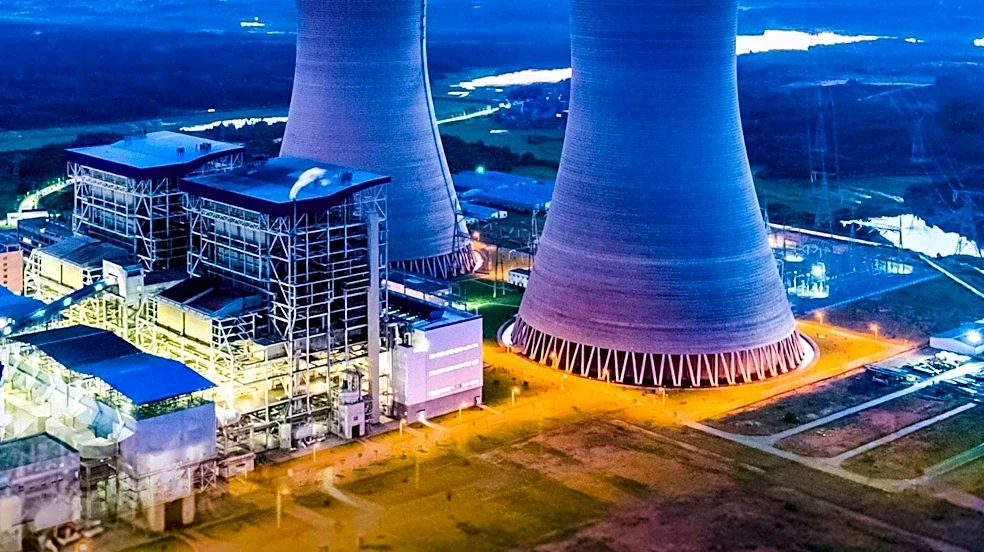
Digital Realty is proceeding with the construction of a data center campus on the former Fort Gillem Army base in Forest Park, Georgia, a site known to be a toxic munitions dump. This project is part of a broader trend where companies are building data centers
on contaminated land to meet the high demand for AI infrastructure. The Fort Gillem site has a history of significant contamination, including chlorinated solvents like trichloroethylene (TCE), household trash generating methane, and buried expended ordnance. Groundwater plumes containing solvents have migrated off-site, affecting residential wells, and toxic vapors were found seeping into nearby homes in 2014, leading to the installation of ventilation systems and carbon air filters. Digital Realty has acknowledged the substantial environmental cleanup burden, committing over $100 million to remediation efforts, including stream mitigation, methane remediation, and soil and bedrock stabilization. Despite these efforts, residents have reported issues such as home damage from blasting during construction and difficulties obtaining information from local authorities.
Why It's Important?
The construction of a data center on a former toxic Army munitions dump highlights critical environmental, health, and ethical concerns. The presence of hazardous materials like TCE, methane, and unexploded ordnance poses significant risks to construction workers, future employees, and nearby residents. The migration of contaminants into residential areas underscores the long-term public health implications of developing such sites. While Digital Realty is investing heavily in remediation, the effectiveness and completeness of these efforts are paramount. This situation also raises questions about the due diligence performed by companies and local authorities when approving development on contaminated land. The reported difficulties residents face in getting information and addressing concerns about blasting damage point to potential issues with transparency and accountability in large-scale development projects, impacting community trust and well-being. The broader trend of building data centers on contaminated land reflects the intense pressure to expand AI infrastructure, often at the expense of environmental and community considerations.
What's Next?
Construction at the Digital Realty site is expected to continue, with ongoing remediation efforts to address the various contaminants. The company plans to install vapor mitigation systems in data center buildings to protect against volatile organic compounds and landfill gas. Residents will likely continue to seek redress for alleged damages from blasting and demand greater transparency from local authorities regarding the project's environmental and safety protocols. This could lead to increased scrutiny from environmental protection agencies and potential legal challenges. The City of Forest Park and Clayton County are also negotiating community benefits agreements with Digital Realty, which could provide funding for scholarships, parks, and grants. The outcome of these negotiations and the effectiveness of the remediation efforts will be closely watched, setting precedents for future developments on brownfield sites.
Beyond the Headlines
The development at Fort Gillem delves into the complex interplay between economic development, environmental justice, and corporate responsibility. The decision to build critical infrastructure like data centers on highly contaminated land, despite the associated risks and costs, reflects the immense demand for AI computing power. This situation raises ethical questions about whether the pursuit of technological advancement should outweigh potential environmental and health hazards for surrounding communities. The lack of transparency and the challenges faced by residents in addressing their concerns highlight issues of environmental justice, where marginalized communities often bear a disproportionate burden of industrial pollution. This case could serve as a catalyst for stronger regulatory frameworks, more rigorous environmental impact assessments, and enhanced community engagement requirements for developing contaminated sites, pushing for a more balanced approach that prioritizes both economic growth and public health and safety.