





What's Happening?
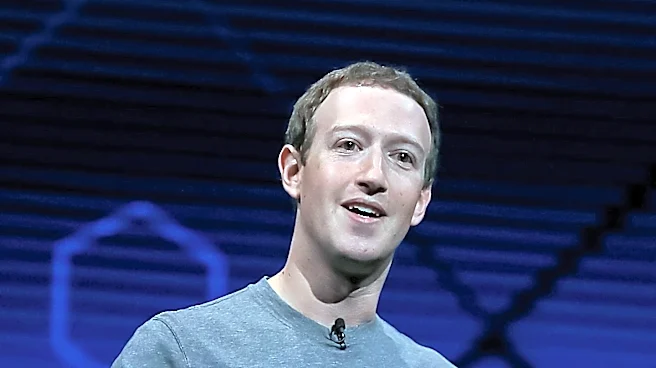
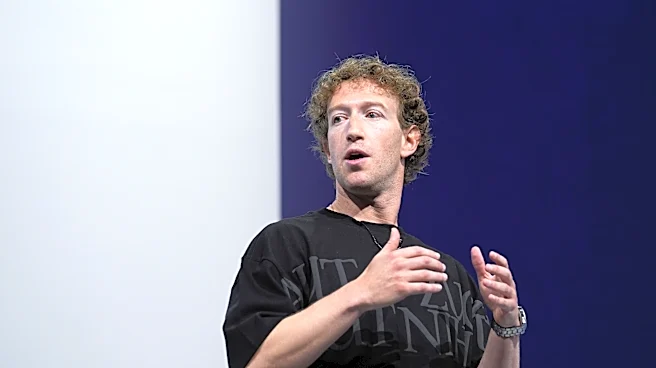
Tech leaders, including Meta's Mark Zuckerberg, assert that artificial intelligence (AI) is transforming work by reducing the number of hours employees need to work. Zuckerberg has stated that AI tools allow fewer employees to accomplish more than ever
before. However, employees from various tech companies report working up to 90 hours a week, indicating a disconnect between leadership claims and employee experiences. Companies like Anthropic have highlighted their AI tools' capabilities, such as the chatbot Claude, which can operate independently for a full workday. Despite these advancements, the reality for many employees involves extended work hours to manage workloads and ensure systems remain operational.
Why It's Important?
The discrepancy between tech leaders' claims and employees' experiences raises questions about the actual impact of AI on work-life balance. While AI is touted as a means to increase efficiency and reduce workload, the reported long hours suggest that the technology may not yet be delivering on these promises. This situation could affect employee morale and retention, as well as public perception of AI's role in the workplace. If AI is not effectively reducing workloads, companies may face challenges in maintaining a satisfied and productive workforce, potentially impacting their competitiveness and innovation.