






What's Happening?
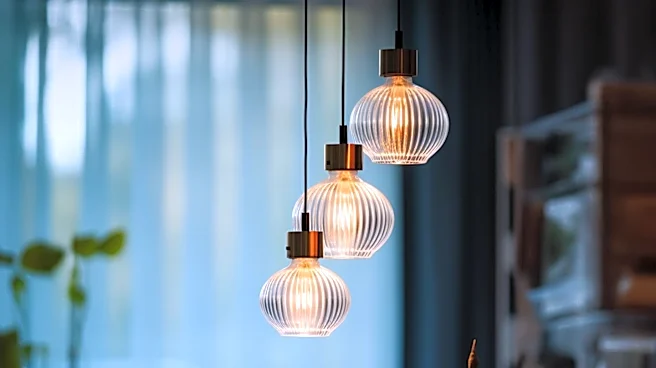
New strategies are emerging to transform compact living spaces using low-cost lighting, textiles, and decor. The approach emphasizes layered lighting with warm white (3000K) sources to reduce visual fatigue and create a perception of expanded depth, moving
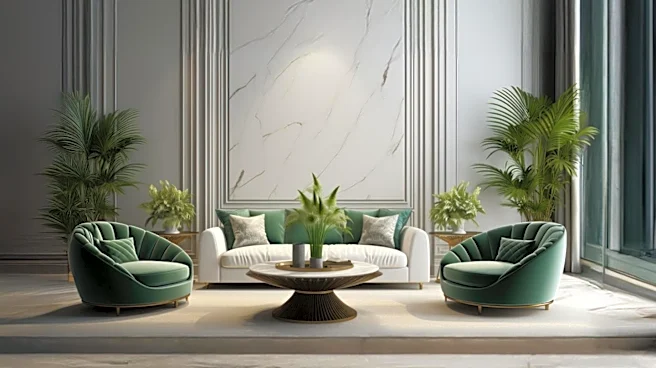
away from single overhead lights that create harsh shadows. The use of breathable natural textiles like linen and cotton is recommended for managing humidity and preventing microbial growth, while also adding textural depth. For decor, the advice is to select curated sets with consistent visual weight and modularity, ensuring harmony without clutter. These methods aim to achieve a cozy and luxurious feel in small areas without requiring extensive renovations or significant financial investment.
Why It's Important?
This focus on cost-effective and practical design solutions is important for a broad demographic, particularly those living in smaller homes or apartments where space and budget are often constraints. By providing accessible hacks, it empowers individuals to improve their living environments, which can positively impact their daily comfort and well-being. For the home decor and lighting industries, it highlights a demand for affordable, versatile, and health-conscious products. The emphasis on natural materials and specific lighting temperatures also reflects a growing consumer awareness of how home environments affect health and mood, potentially driving innovation in product development towards more biologically friendly and sustainable options. This trend could lead to a democratization of interior design, making well-designed spaces achievable for more people.
What's Next?
The continued adoption of these low-cost, high-impact design principles is expected, with more consumers seeking out products that align with these recommendations. Retailers and manufacturers may respond by offering more integrated decor sets, a wider range of natural and breathable textiles, and lighting solutions with adjustable color temperatures. Educational content, such as online tutorials and design blogs, will likely further popularize these hacks, providing practical guidance for implementation. There could also be an increased focus on the scientific benefits of certain design choices, such as the impact of warm lighting on circadian rhythms, influencing how products are marketed and sold. This could lead to a more informed consumer base making deliberate choices about their home environments.
Beyond the Headlines
Beyond immediate aesthetic and functional improvements, these strategies reflect a deeper cultural shift towards mindful living and resourcefulness. In an era of increasing urbanization and smaller living footprints, the ability to create comfortable and functional spaces with minimal resources becomes a valuable skill. This approach encourages creativity and problem-solving, fostering a sense of agency over one's living environment. It also subtly challenges the consumerist notion that significant spending is required for a beautiful home, promoting a more sustainable and accessible vision of interior design. The emphasis on natural materials and health-conscious lighting also aligns with a broader societal trend towards wellness and environmental responsibility, integrating personal well-being with ecological considerations in home design.