









What's Happening?
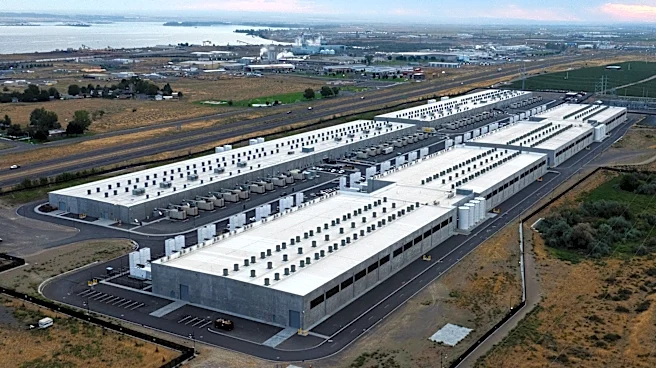
During a heat wave over the July 4 weekend, a data center in Ashburn, Virginia, operated by Digital Realty, activated its diesel backup generators. This action was part of a demand-response program managed by PJM Interconnection, the regional grid operator,
to alleviate stress on the power grid. The heat wave pushed the grid close to its limits, prompting the use of these generators to ensure continued operation. The data center, known as ACC9, is one of many in the area, which is a hub for such facilities. The activation of diesel generators, which emit dark smoke, has sparked environmental concerns due to the reliance on fossil fuels for backup power. The data center's permits restrict excessive use of these generators, but the exact number in operation during the event was not disclosed.
Why It's Important?
The incident highlights the growing tension between the rapid expansion of data centers and environmental sustainability. Data centers are significant electricity consumers, and their reliance on diesel generators during peak demand periods raises questions about their environmental impact. The use of fossil fuels for backup power contributes to air pollution and greenhouse gas emissions, which are at odds with efforts to combat climate change. Additionally, the increased energy demand from data centers can lead to higher electricity costs for local residents, as seen in rising bills despite unchanged personal consumption. This situation underscores the need for more sustainable energy solutions and infrastructure to support the digital economy without compromising environmental goals.
What's Next?
As data centers continue to proliferate, particularly in regions like northern Virginia, there will likely be increased scrutiny on their environmental practices and energy consumption. Stakeholders, including local governments, environmental groups, and the data center industry, may push for the adoption of cleaner energy sources and more efficient technologies to reduce reliance on fossil fuels. Regulatory bodies might also consider revising policies to encourage or mandate greener practices. The ongoing debate could lead to new initiatives aimed at balancing the economic benefits of data centers with their environmental footprint.
Beyond the Headlines
The reliance on diesel generators during peak demand periods reflects broader challenges in the U.S. energy infrastructure. As the digital economy grows, so does the need for reliable and sustainable power sources. This situation could drive innovation in renewable energy technologies and grid management strategies. Additionally, the economic benefits of data centers, such as increased tax revenue and job creation, must be weighed against potential negative impacts on local communities, including noise, emissions, and property value concerns. The outcome of this balancing act could influence future policies and investments in the energy and technology sectors.