






What's Happening?
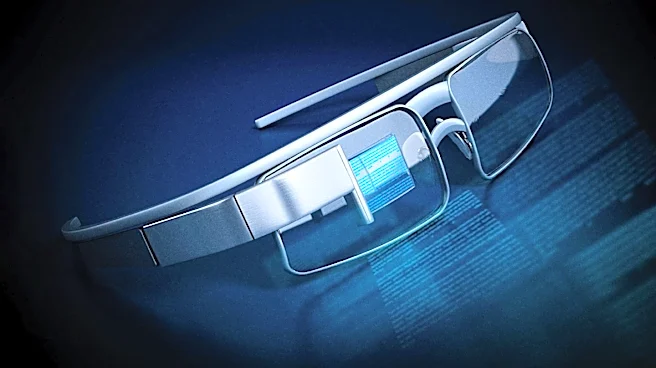
AI-powered smart glasses are increasingly being adopted by small businesses and entrepreneurs as a versatile tool to enhance productivity, lower costs, and improve marketing efforts. These devices, equipped with cameras, audio, voice commands, and AI,
enable hands-free workflows for tasks such as content creation, information access, real-time translation, and contextual AI assistance. Examples include plumbers streaming live video to troubleshoot repairs, boutique store owners scanning inventory while interacting with clients, and medical practitioners dictating notes during consultations. Prescott, Arizona deli owner Deb Kovacs uses smart glasses to capture daily work for social media, generating millions of views and attracting customers from afar. Similarly, Eddie Sanchez of Black Top Motors in Phoenix uses them for dealership walk-throughs, leading to significant customer inquiries.
Why It's Important?
The integration of AI-powered smart glasses into small business operations represents a significant technological leap, offering a competitive edge in various U.S. industries. This technology allows entrepreneurs to streamline workflows, reduce operational downtime, and create authentic marketing content without interrupting their core activities. For small businesses struggling with labor shortages, smart glasses can expand the available talent pool by assisting individuals with disabilities, as demonstrated by Eric Knight at Bosma Enterprises, who uses Meta glasses to navigate a warehouse. The ability to access AI assistance, translate languages, and receive real-time guidance in the field can dramatically improve efficiency and problem-solving, fostering innovation and growth across sectors like field service, retail, and healthcare. This trend highlights how advanced technology is becoming more accessible and impactful for smaller enterprises.
What's Next?
The adoption of AI-powered smart glasses by small businesses is expected to continue growing, with ongoing innovation in applications and integrations. Meta's AI Glasses Impact Grants are already supporting organizations in developing practical uses for field service contractors, roadside mechanics, rural broadband installers, and farmers, indicating a future where these devices are tailored for highly specific professional needs. Future developments will likely focus on enhancing AI capabilities for more sophisticated diagnostic support, real-time data analysis, and seamless integration with existing business software. The emphasis will be on making these tools even more intuitive and user-friendly, ensuring they provide tangible benefits without adding complexity. As the technology matures, it could lead to new business models and services that leverage hands-free, AI-assisted operations.
Beyond the Headlines
The widespread use of AI-powered smart glasses in small businesses carries deeper implications for the nature of work, privacy, and digital literacy. While offering immense productivity gains, these devices could blur the lines between personal and professional life, as work activities are continuously recorded and analyzed. Ethical considerations arise regarding employee monitoring, data ownership, and the potential for surveillance in the workplace. Furthermore, the reliance on AI for tasks like translation and diagnostic support could alter skill requirements, potentially deskilling certain roles while creating new demands for technological proficiency. The accessibility features for individuals with disabilities are a positive step, but ensuring equitable access and training for all small business owners and their employees will be crucial to prevent a digital divide. This technology has the potential to redefine entrepreneurial practices, making businesses more agile and data-driven, but also necessitating a careful balance with human agency and ethical considerations.