






What's Happening?
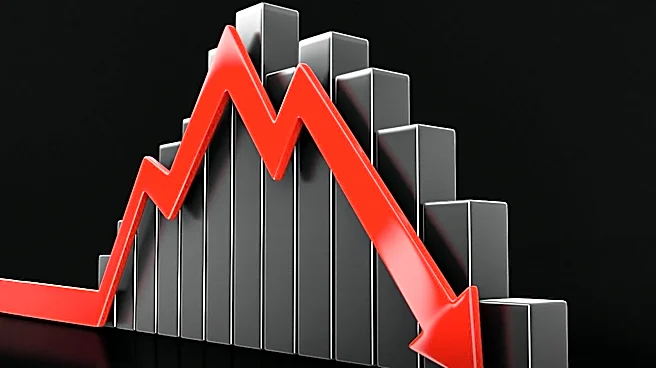
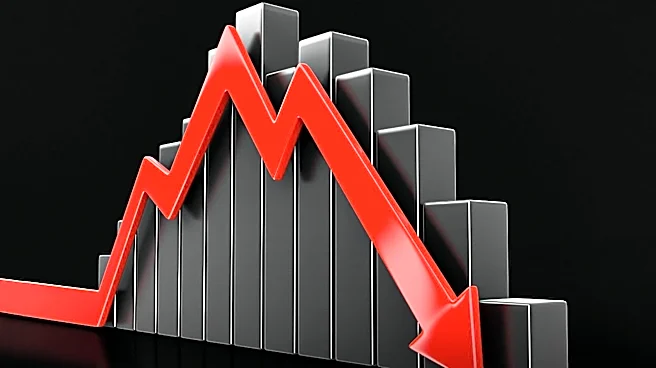
Nebius Group (NBIS), an AI cloud infrastructure provider, experienced a significant stock decline of 53% over the past month. This sharp drop was primarily triggered by the company's decision to trim its 2026 revenue guidance and substantially increase
its capital expenditure plan. Management cut the 2026 revenue guidance to between $3 billion and $3.2 billion, down from the previous range of $3 billion to $3.4 billion. This adjustment was attributed to delays in the New Jersey colocation phases, which are now expected in Q2 2027. Concurrently, Nebius Group raised its 2026 capital expenditure to approximately $27 billion and projected $40 billion to $45 billion for 2027. Despite reporting a strong quarter with revenue reaching $980.8 million, exceeding the $905.7 million consensus, investors focused on the revised guidance and increased spending, leading to the stock's downturn. The company's AI Cloud segment accounts for about 99% of its revenue, with major customers including Microsoft, Meta, and Databricks.
Why It's Important?
The substantial decline in Nebius Group's stock, alongside similar drops in other 'neocloud' companies like CoreWeave and Applied Digital, highlights investor sensitivity to future guidance and capital expenditure in the rapidly evolving AI infrastructure sector. The market's reaction suggests concerns about the timing of revenue generation versus the significant upfront investment required for AI compute demand. For the broader U.S. technology and financial markets, this indicates a cautious sentiment towards companies with aggressive expansion plans and delayed revenue realization, even if current performance is strong. The increased capital expenditure plans, reaching tens of billions of dollars, also raise questions about financing strategies and potential dilution for shareholders, as Nebius Group has already sold 4.6 million shares through an at-the-market program. This situation could influence how investors evaluate other AI infrastructure companies, potentially leading to closer scrutiny of their long-term financial projections and funding models.
What's Next?
The immediate future for Nebius Group will likely involve close monitoring of its ability to execute on its revised plans and secure necessary financing. Analysts, such as Northland's Nehal Chokshi, maintain an 'Outperform' rating with a target of $380, suggesting a potential 367% upside, based on the belief that non-recurring revenue, strong capacity pricing, and software-enabled reserve auctions can offset deployment delays. However, other analysts have cut their price targets, reflecting varied outlooks. The company's projected 2027 revenue of $12 billion to $13 billion and a target of pre-tax breakeven in Q4 2027 will be critical milestones. Investors will be watching for signs that the delayed New Jersey capacity comes online as scheduled, that customer prepayments continue to support expansion, and that credit markets remain favorable for funding the substantial capital expenditures. Any further delays or tightening of credit could exacerbate investor concerns.
Beyond the Headlines
The situation with Nebius Group underscores a broader theme in the AI industry: the immense capital requirements for building and scaling AI infrastructure. While demand for AI compute is robust, as evidenced by Nebius Group's strong quarterly revenue and customer prepayments, the financial models supporting this growth are under intense scrutiny. The ethical and economic implications of such massive investments include potential market concentration among a few large players and the environmental impact of energy-intensive data centers. The reliance on significant capital expenditure also raises questions about the long-term sustainability of growth for companies that are not yet consistently profitable. This scenario highlights the tension between rapid technological advancement and the practicalities of financial viability, suggesting that the 'AI boom' may be accompanied by significant volatility and risk for investors in infrastructure providers.