


What's Happening?
Carlie Irsay-Gordon, principal owner and CEO of the Indianapolis Colts, is currently under scrutiny following a significant roster reset and the team's struggling performance. She assumed leadership of the franchise in 2025 after the passing of her father,
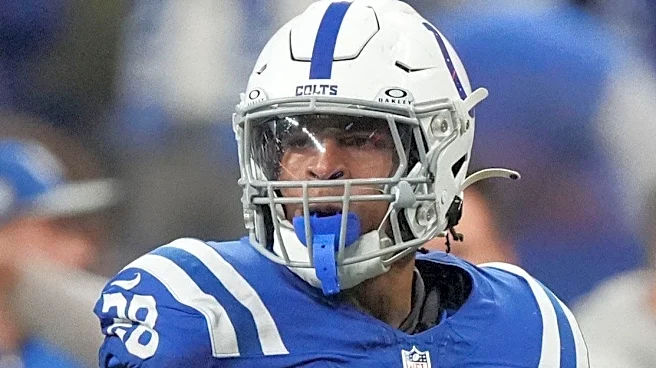
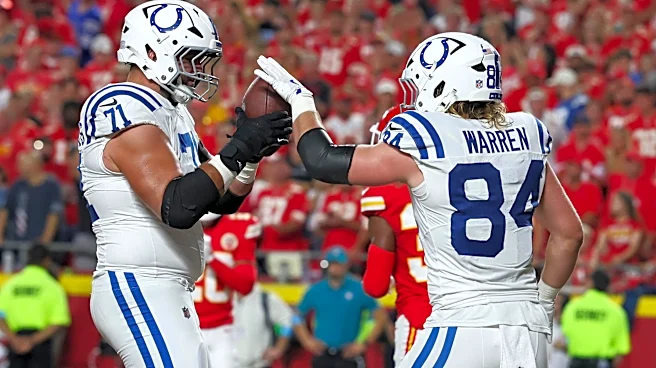
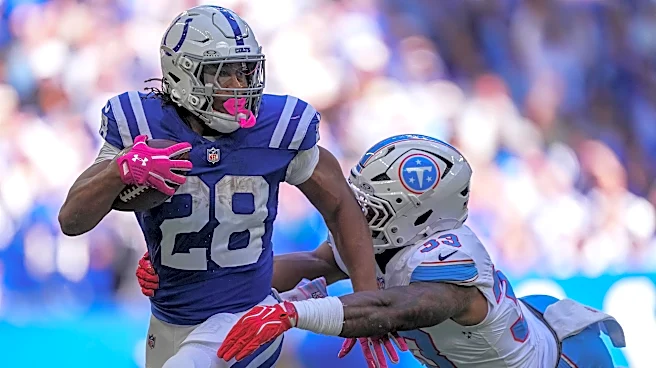
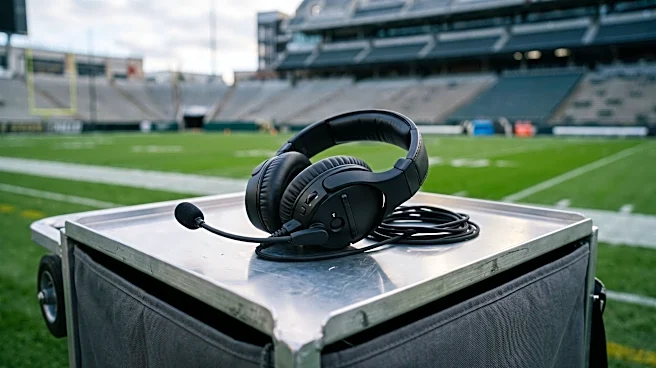
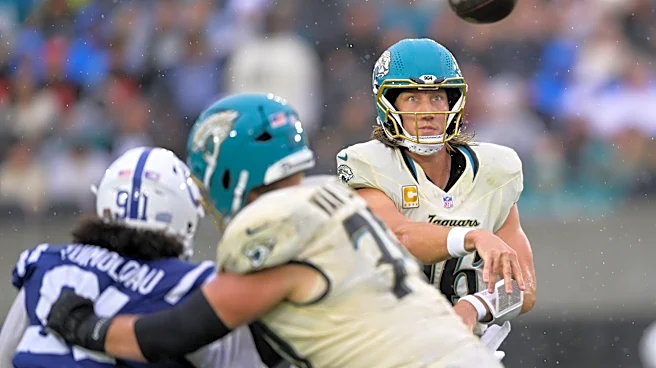
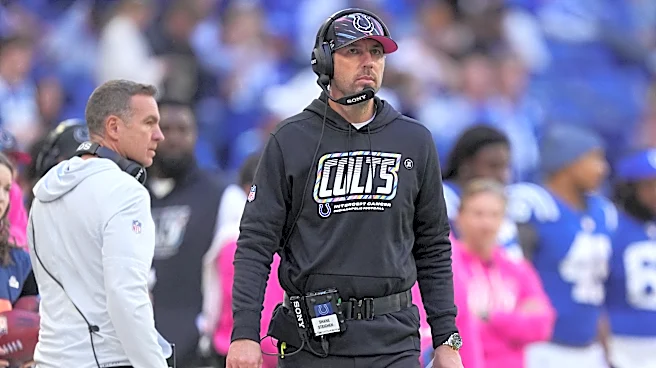
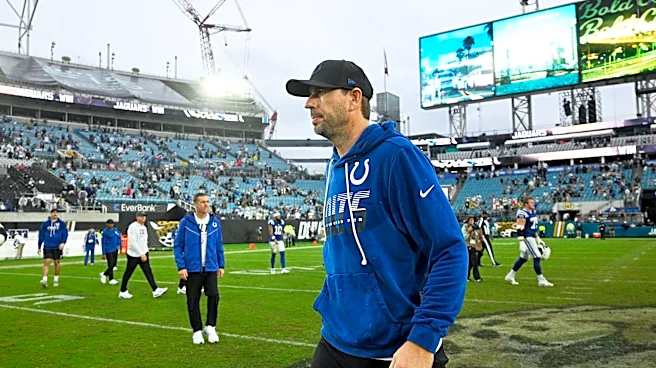
Jim Irsay, alongside her sisters Casey Foyt and Kalen Jackson. The Colts have recorded a 2-6 season start, including a four-game losing streak, culminating in a 42-7 defeat to the Jacksonville Jaguars. In response to the team's struggles, major organizational changes have been implemented. On October 27, the Colts traded two veteran stars: eight-time Pro Bowl guard Quenton Nelson to the Seattle Seahawks and defensive tackle DeForest Buckner back to the San Francisco 49ers. These trades followed the firing of general manager Chris Ballard, with interim GM Ed Dodds overseeing subsequent team activities. Wide receiver Josh Downs also requested a trade, and there have been discussions regarding the potential trade of running back Jonathan Taylor, though reports conflict on whether the team is actively soliciting offers. Irsay-Gordon has also drawn criticism for her presence on the sidelines during games, where she uses a headset to listen to coaches' communications, a practice she has reportedly maintained for years to better understand the game and organizational decisions.
Why It's Important?
The situation surrounding Carlie Irsay-Gordon and the Indianapolis Colts is important as it highlights the intense pressure and public scrutiny faced by NFL franchise owners, particularly those new to their roles or making significant organizational changes. As one of only five women identified as a principal or controlling owner of an NFL franchise, her leadership decisions and the team's performance are under a magnified spotlight. The roster reset, involving the trading of key veteran players and the firing of a general manager, signals a major strategic shift for the Colts. This could have long-term implications for the team's competitive standing, fan engagement, and financial outlook. The criticism regarding Irsay-Gordon's sideline presence also touches on broader discussions about owner involvement in team operations and the perceived impact on coaching staff and player morale. The success or failure of this rebuilding phase under her leadership could influence perceptions of female ownership in professional sports and set precedents for how new owners navigate challenging transitions.
What's Next?
The immediate future for the Indianapolis Colts under Carlie Irsay-Gordon's leadership will likely involve continued efforts to stabilize the team's performance and manage the ongoing roster changes. The team will need to address the trade request from wide receiver Josh Downs and clarify the status of Jonathan Taylor. The interim general manager, Ed Dodds, will play a crucial role in navigating the remainder of the season and potentially shaping the team's future personnel decisions. The coaching staff, led by Shane Steichen, will be under pressure to improve the team's record and demonstrate progress despite the significant player departures. Public and media scrutiny of Irsay-Gordon's ownership style, particularly her sideline presence, is expected to persist. The long-term success of the roster reset will depend on the performance of new acquisitions and the development of existing players, which will ultimately determine the trajectory of the Colts franchise in the coming seasons.
Beyond the Headlines
Beyond the immediate performance and personnel decisions, the situation with Carlie Irsay-Gordon and the Colts touches upon deeper themes within professional sports ownership. Her role as a female principal owner in the male-dominated NFL highlights ongoing discussions about diversity and representation in leadership positions across major sports leagues. The scrutiny she faces, particularly regarding her hands-on approach on the sidelines, could be viewed through the lens of gendered expectations for leadership in sports. While some criticize her presence, others might see it as a dedicated effort to understand the team's operations, a practice that might be perceived differently if undertaken by a male owner. This scenario also underscores the generational transition of family-owned sports franchises and the challenges new leaders face in establishing their authority and vision while honoring a legacy. The success or struggles of the Colts under Irsay-Gordon's tenure could contribute to broader narratives about effective leadership models in professional sports and the evolving landscape of ownership.