






What's Happening?
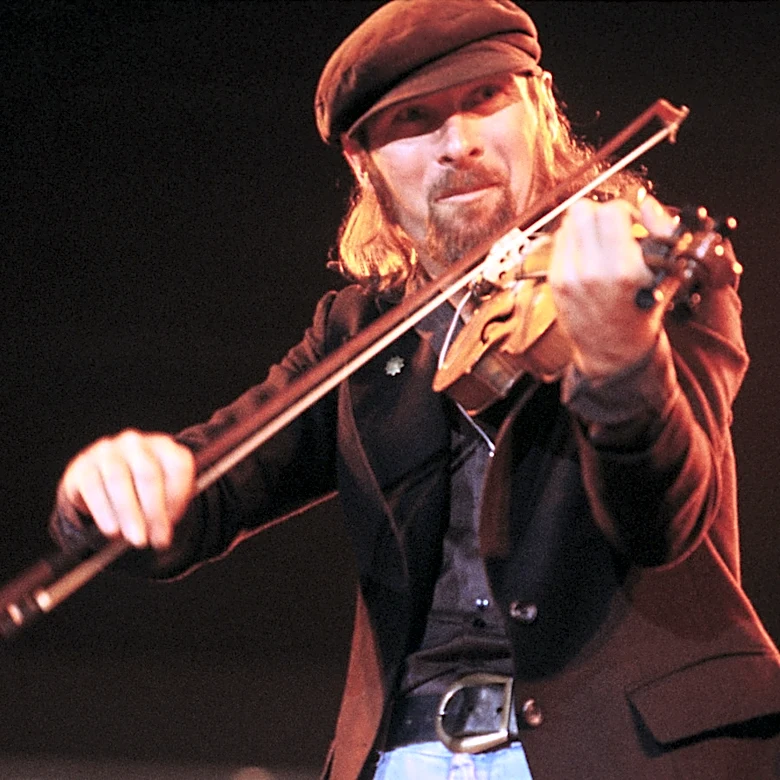
Mexican ska band Panteón Rococó recently performed a Tiny Desk Concert for NPR, as part of Latin Music Month, which runs from September 15 to October 15. The band, known for its blend of ska, cumbia, and Afro-Caribbean rhythms, has been a prominent figure
in Mexican ska for over three decades. Their music often addresses sociopolitical struggles in Mexico, with lyrics that confront difficult issues such as the desaparecidos (missing persons). The concert was streamed live and is available for free viewing on NPR Music's YouTube channel and website. The performance included songs like 'Arreglame el Alma' and '1993…,' the latter being a powerful testimonial about the missing in Mexico. Despite the sensitive subject matter, the band's energetic style provides an emotional release for the audience, fostering a sense of community and resistance.
Why It's Important?
Panteón Rococó's Tiny Desk Concert is significant for several reasons. Firstly, it highlights the growing influence and recognition of Latin American music within mainstream U.S. media platforms like NPR. This exposure introduces a broader audience to Mexican ska and its unique fusion of musical styles and socially conscious lyrics. Secondly, the band's focus on sociopolitical issues in Mexico, such as the desaparecidos, brings critical awareness to these topics on an international stage. By setting such sensitive subjects to upbeat music, Panteón Rococó demonstrates how art can serve as a powerful tool for both emotional release and social commentary. This performance contributes to the ongoing dialogue about human rights and social justice, resonating with audiences who may be experiencing similar struggles or who are interested in global social issues. The concert also reinforces the idea that music can transcend cultural and linguistic barriers, fostering connection and understanding.
What's Next?
Following their Tiny Desk Concert, Panteón Rococó's performance will remain accessible on NPR Music's digital archives, including their website and YouTube channel, allowing for continued global viewership. This sustained availability will likely further expand their international fanbase and potentially lead to increased touring opportunities in the U.S. and beyond. The band's participation in Latin Music Month could also inspire other Latin American artists to seek similar platforms, contributing to a broader representation of diverse musical genres and cultural narratives in American media. Additionally, the concert's focus on social issues may encourage further discussion and engagement with the themes presented in their music, potentially influencing public discourse on human rights and social justice in Mexico and other regions.
Beyond the Headlines
The inclusion of Panteón Rococó in NPR's Tiny Desk Concert series, particularly during Latin Music Month, carries deeper cultural and ethical implications. It underscores the role of music as a vehicle for cultural diplomacy and cross-cultural understanding. By showcasing a band that openly addresses Mexico's sociopolitical challenges, NPR is not only presenting entertainment but also facilitating a platform for critical social commentary. This can challenge preconceived notions about Latin American music, moving beyond mere entertainment to acknowledge its capacity for profound social and political expression. The band's ability to transform despair into a collective, energetic experience through music highlights the therapeutic and unifying power of art in the face of adversity. This also raises questions about the responsibility of media platforms to amplify diverse voices and narratives, especially those that shed light on global human rights issues.