








What's Happening?
Shrimp and grits, a dish deeply rooted in the American South, has evolved significantly from its origins as a regional, seasonal meal. Initially known as 'shrimps and hominy,' the dish was created by Gullah Geechee descendants of enslaved people from Central
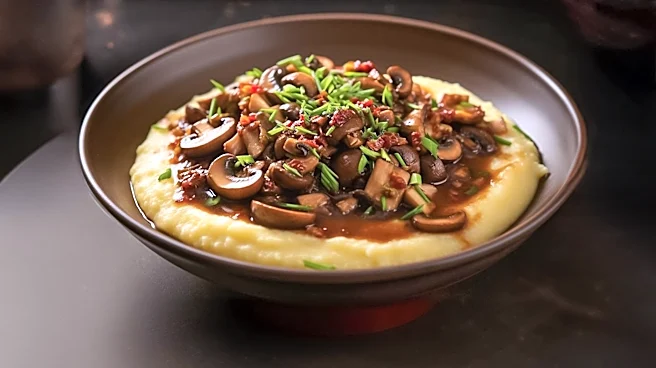
and West Africa, who combined indigenous American corn cultivation with their own fishing and grain practices. For centuries, it remained largely confined to the Lowcountry. Its broader recognition began in 1985 when New York Times food writer Craig Claiborne sampled chef Bill Neal's version at Crook's Corner in Chapel Hill, North Carolina, and subsequently published a recipe and profile. This exposure propelled shrimp and grits into the national culinary spotlight, leading to countless variations incorporating diverse ingredients such as various sauces, meats, cheeses, and mushrooms, a departure from its simpler, traditional forms.
Why It's Important?
The story of shrimp and grits highlights the dynamic nature of American culinary traditions and the significant impact of media and influential figures in shaping national food trends. Its journey from a localized, culturally specific dish to a widely celebrated staple underscores the rich contributions of African American and indigenous cultures to American cuisine. The dish's evolution also reflects broader shifts in food culture, where traditional recipes are often reinterpreted and adapted by chefs and home cooks, sometimes leading to debates between 'purists' and innovators. This culinary narrative emphasizes the importance of preserving the historical context of dishes while also embracing creative interpretations, showcasing how food can serve as a powerful link to heritage and a platform for contemporary expression.
What's Next?
The ongoing popularity and adaptability of shrimp and grits suggest that its culinary evolution will continue. Chefs and food enthusiasts are likely to further experiment with ingredients and preparation methods, potentially introducing new regional variations or fusion interpretations. This sustained interest could lead to more in-depth explorations of its historical and cultural roots, fostering greater appreciation for Gullah Geechee culinary heritage. Additionally, as food tourism continues to grow, destinations known for authentic shrimp and grits may see increased visitor interest, further boosting local economies. The dish's versatility ensures its continued presence on menus across the U.S., from casual eateries to fine dining establishments, solidifying its status as a beloved American classic.
Beyond the Headlines
Beyond its delicious appeal, shrimp and grits embodies a complex cultural narrative. It serves as a tangible link to the history of enslaved peoples and their descendants, showcasing their ingenuity in creating nourishing and flavorful dishes from available resources. The dish's transformation from a humble, regional meal to a national culinary icon also reflects broader themes of cultural appropriation and appreciation within the food industry. Discussions around 'authenticity' and 'purism' in shrimp and grits often touch upon deeper questions of who gets to define and profit from cultural heritage. This culinary journey encourages a critical examination of how food traditions are preserved, adapted, and shared across different communities, highlighting the ongoing dialogue between tradition and innovation in American society.