






What's Happening?
TeraWulf (NASDAQ:WULF) shares increased by 7% in morning trading, leading a broader rebound in digital power stocks. This sector-wide recovery also saw IREN (NASDAQ:IREN) climb 6% and Cipher Digital (NASDAQ:CIFR) rise 4%. The CoinShares Bitcoin Mining
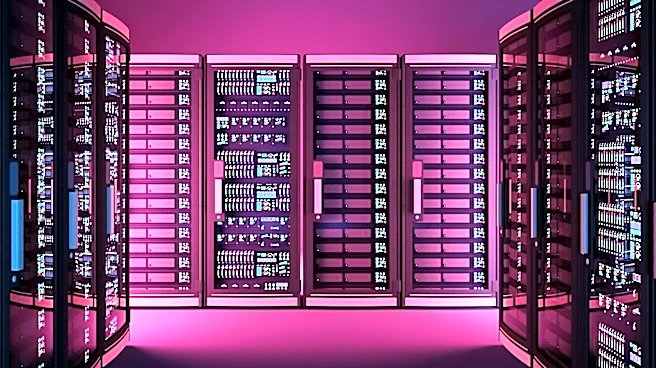
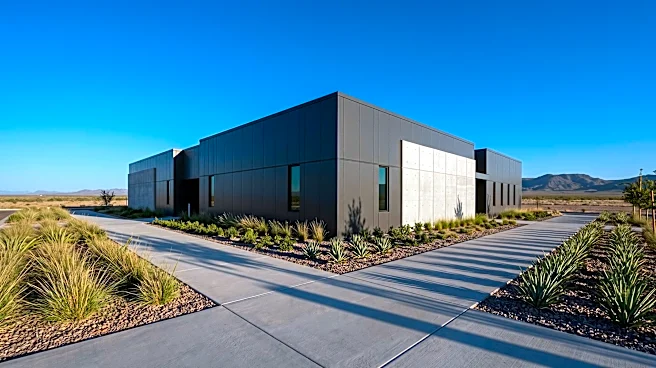
and Digital Power ETF (NASDAQ:WGMI) also experienced a 5% increase, indicating a collective buying trend across the group rather than a single company-specific catalyst. These companies, including TeraWulf, are actively converting former cryptocurrency mining sites into artificial intelligence data centers. TeraWulf's strategy is anchored by a long-term lease with Anthropic, a privately held AI developer, for contracted computing capacity at its Kentucky campus. This agreement is central to TeraWulf's pivot from crypto mining to AI and high-performance computing hosting.
Why It's Important?
The rebound in digital power stocks, particularly those transitioning to AI data centers, signifies growing investor confidence in the long-term potential of AI infrastructure. This shift is crucial for companies like TeraWulf, which are leveraging existing power capacity and infrastructure from their crypto mining operations to meet the surging demand for AI and cloud computing. The long-term lease with Anthropic provides TeraWulf with a stable revenue anchor, which is vital for its financial stability and growth. However, the capital-intensive nature of building out AI data centers and the associated execution risks, as highlighted by Rothschild Redburn's 'Neutral' coverage, remain significant factors. The success of these companies in securing financing and delivering on construction timelines will determine their ability to capitalize on the AI boom.
What's Next?
Investors will be closely watching TeraWulf's financing plans for its Kentucky expansion, as the value of the Anthropic contract is contingent on construction staying on schedule. Progress reports from the Kentucky campus could serve as key company-specific catalysts. The ability of TeraWulf and its peers to fund these ambitious programs on terms that protect existing shareholders will be critical. The broader market will also continue to assess the sustainability of demand for generative AI infrastructure and whether the valuations of these 'neocloud' companies are justified. The ongoing transition from crypto mining to AI data centers will likely see continued scrutiny regarding capital intensity, execution risk, and the conversion of contracted capacity into recognized revenue.
Beyond the Headlines
The transformation of Bitcoin mining facilities into AI data centers represents a significant strategic pivot within the digital infrastructure sector. This trend highlights the adaptability of existing energy-intensive operations to new technological demands. Beyond the immediate financial implications, this shift raises questions about resource allocation, particularly energy consumption, and the environmental impact of large-scale AI operations. The long-term success of this pivot will depend not only on technological execution but also on regulatory frameworks, energy policy, and the broader economic landscape for AI development. The ability to repurpose existing infrastructure could offer a more sustainable path for growth compared to building entirely new facilities, but it also comes with its own set of challenges related to retrofitting and specialized requirements for AI workloads.