







What's Happening?
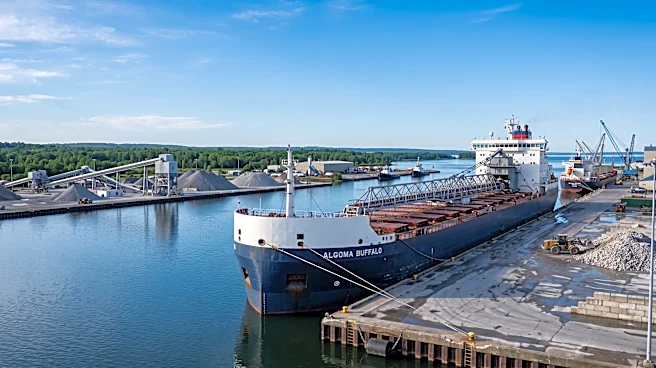
The M/V Algoma Buffalo, a 634-foot, 10-inch self-unloading bulk carrier, was recently photographed in Muskegon, Michigan, after nearly a year of attempts by a local editor. Built in 1978 by Bay Shipbuilding Corp. at Sturgeon Bay, Wisconsin, the vessel
was originally named Buffalo and operated with American Steamship Co. before joining the Algoma Central Corp. fleet in 2018 and being renamed Algoma Buffalo. As a River Class laker, its 68-foot width allows it to navigate tighter waterways and serve various Great Lakes destinations, including river ports and smaller industrial harbors. The ship is equipped with a 250-foot self-unloading boom and can carry approximately 24,000 metric tons of cargo, unloading at rates up to 5,900 metric tons per hour. The documentation took place at the Verplank dock on Muskegon Lake, a facility that was redeveloped from the former B.C. Cobb Generating Plant property into a modern bulk-material terminal in 2022. The Verplank facility handles materials such as limestone, slag, and trap rock, moving millions of tons of essential materials throughout West Michigan and the Midwest.
Why It's Important?
The continued operation and documentation of vessels like the Algoma Buffalo highlight the enduring significance of Great Lakes shipping to the U.S. economy and regional infrastructure. These bulk carriers are crucial for transporting raw materials such as stone, salt, and other industrial goods, which are vital for manufacturing, construction, and various industries across the Midwest. The versatility of River Class ships, capable of accessing smaller ports, ensures that a wider network of industrial hubs remains connected to the broader supply chain. The redevelopment of facilities like the Verplank dock in Muskegon underscores ongoing investments in port infrastructure, adapting former industrial sites to modern bulk material handling needs. This not only supports regional commerce but also demonstrates a strategic shift in utilizing existing infrastructure for new economic purposes. The public interest in these vessels, further amplified by platforms like Captain TJ's YouTube channel, also fosters a connection between the public and the often-unseen but critical maritime operations that underpin regional economic activity.
What's Next?
The Algoma Buffalo is expected to continue its role in the Great Lakes bulk fleet, transporting essential materials across the region. Its operational schedule will likely remain dynamic, adapting to the demands of various industrial ports and material suppliers. The Verplank dock in Muskegon will continue to serve as a key deep-water port facility, handling bulk materials for West Michigan and the Midwest, potentially expanding its capacity or types of materials handled based on market needs. Captain TJ Pryor's YouTube channel will likely continue to provide unique insights into the daily operations of Great Lakes shipping, further engaging enthusiasts and potentially inspiring future generations to consider careers in maritime industries. The ongoing documentation of these vessels by local media and enthusiasts will also contribute to a historical record of Great Lakes maritime activity, capturing the evolution of shipping practices and the vessels that define them.
Beyond the Headlines
The story of the Algoma Buffalo extends beyond its immediate function as a cargo vessel, touching upon the broader cultural and historical narrative of the Great Lakes. The transformation of the B.C. Cobb Generating Plant site into the Verplank dock reflects a significant trend in industrial adaptation, where legacy infrastructure is repurposed to meet contemporary economic demands, often with environmental considerations. The public's fascination with Great Lakes freighters, exemplified by Captain TJ's online presence, highlights a unique aspect of American regional identity and the enduring appeal of maritime heritage. This engagement fosters a sense of community among 'boat nerds' and provides an educational platform that demystifies the complex logistics of bulk shipping. It also underscores the blend of traditional industry with modern communication, as social media bridges the gap between those who work on the lakes and those who observe from shore, creating a more transparent and accessible view of a vital but often overlooked sector.