



What's Happening?
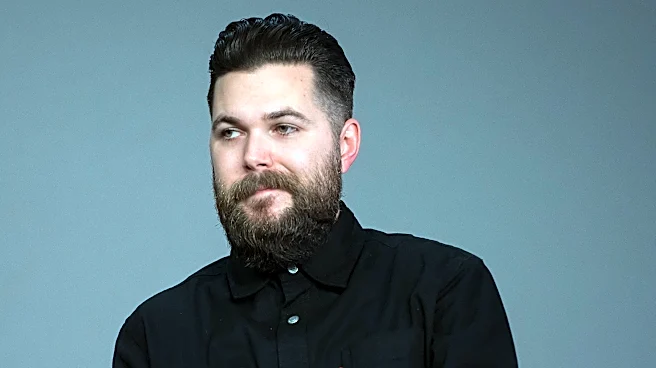
Filmmaker Robert Eggers, known for his distinctive horror films characterized by obsessive folklore, period detail, and psychological intensity, has indicated a desire to move away from this genre. Following the upcoming release of his film "Werwulf,"
Eggers plans to direct a Shakespearean adaptation of "Romeo and Juliet." This decision comes after he acknowledged a pattern in his filmography, which includes works like "The Witch," a film about a lighthouse driving men mad, and stories involving Vikings, vampires, and werewolves. Eggers expressed during a Q&A in Mexico that he is "eager not to continue purposely doing Robert Eggers' House of Horror" and feels he needs a break from the genre. While "Romeo and Juliet" still involves tragic themes, Eggers noted it would differ from his previous works by not featuring characters losing their minds in the wilderness. Focus Features secured the rights to his "Romeo and Juliet" project after a competitive bidding process involving A24, Sony, and Warner Bros.
Why It's Important?
This shift in Robert Eggers' directorial focus is significant for the film industry and his career trajectory. For Eggers, it represents a conscious effort to diversify his artistic output and avoid being typecast within the horror genre, which could broaden his appeal to a wider audience and critical reception. From a business perspective, the bidding war for "Romeo and Juliet" among major studios like Focus Features, A24, Sony, and Warner Bros. underscores the high demand for Eggers' talent, regardless of genre. This indicates that studios recognize his unique vision and ability to attract audiences, suggesting a strong commercial viability for his future projects. The move could also influence other filmmakers known for specific genres to explore new creative avenues, potentially leading to a more diverse cinematic landscape. For audiences, it promises a fresh interpretation of a classic story from a director celebrated for his meticulous craftsmanship and atmospheric storytelling.
What's Next?
Robert Eggers' next film, "Werwulf," is scheduled for release on Christmas Day, which he has described as his darkest work to date. Following this, his focus will shift to the production of "Romeo and Juliet" with Focus Features. This Shakespearean adaptation is moving forward ahead of other previously considered projects, such as "A Christmas Carol" and a "Labyrinth" sequel. The success and critical reception of "Romeo and Juliet" will likely play a crucial role in shaping Eggers' future directorial choices and could solidify his reputation as a versatile filmmaker capable of excelling across different genres. The industry will be watching to see how his signature style, known for its obsessive period detail and atmospheric tension, translates to a classic romantic tragedy.
Beyond the Headlines
Robert Eggers' decision to pivot from his established horror niche to a Shakespearean classic like "Romeo and Juliet" carries deeper implications for artistic freedom and audience expectations. It challenges the notion that successful directors must remain within a specific genre, highlighting the potential for creative growth and reinvention. This move could inspire other artists to take similar risks, fostering a more dynamic and less pigeonholed creative environment in Hollywood. Furthermore, Eggers' meticulous approach to historical accuracy and atmosphere, previously applied to folklore and horror, will now be directed towards a foundational piece of Western literature. This could lead to a "Romeo and Juliet" that is both visually stunning and emotionally raw, offering a unique perspective on a story that has been adapted countless times. It also raises questions about how audiences, accustomed to his 'House of Horror,' will respond to a departure from his signature style, potentially redefining what a 'Robert Eggers film' can be.