



What's Happening?
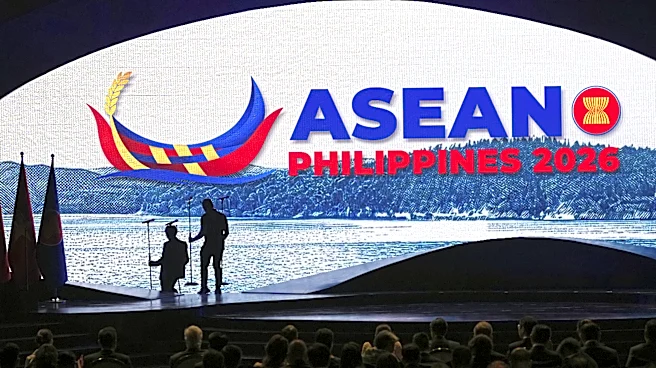
The Philippines is actively pursuing oil ticketing arrangements with Indonesia and Thailand to bolster its energy security amidst ongoing global fuel supply disruptions. State-run PNOC Exploration Corp. has signed Letters of Intent (LOIs) with Indonesia’s
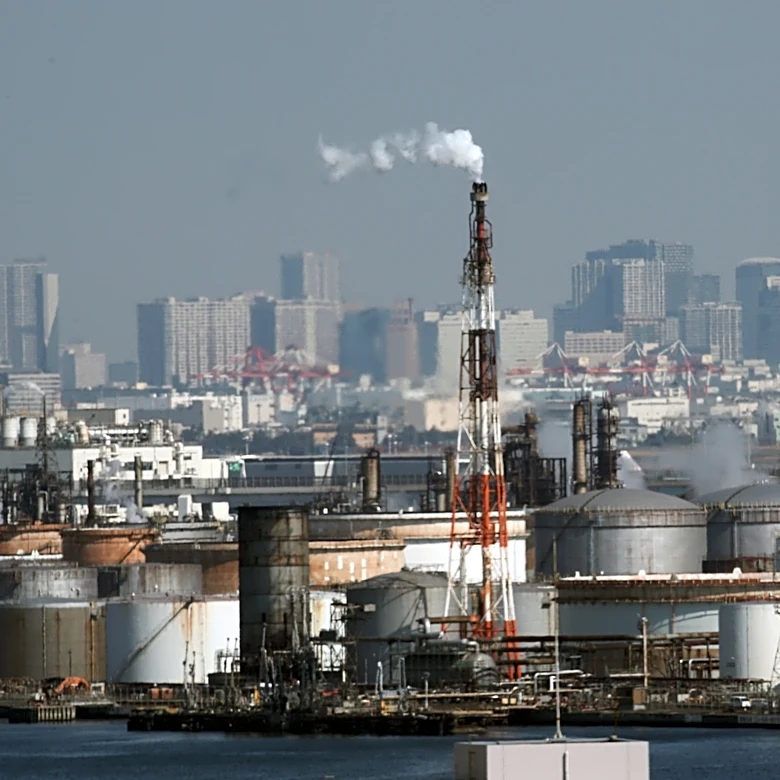
PT Interport Mandiri Utama and The Shell Co. of Thailand Ltd. These preliminary agreements aim to facilitate pilot projects that would allow the Philippines to access existing oil storage facilities in Indonesia and Thailand during supply emergencies. Under an oil-ticketing arrangement, the Philippines would pay for the right to access stored oil in another country, offering an alternative to building new domestic storage facilities and procuring additional oil stocks upfront. This initiative comes as the Philippines also works to establish its own government-maintained oil reserves, with the first storage tank targeted for completion by the end of 2027.
Why It's Important?
This strategic move by the Philippines is crucial for enhancing its energy resilience and mitigating the economic impact of global supply shocks. For U.S. industries and economic stakeholders, particularly those involved in international trade and energy markets, the stability of energy supplies in Southeast Asia is significant. A more secure energy landscape in the Philippines can contribute to regional economic stability, which indirectly benefits U.S. businesses operating in or trading with the region. The adoption of oil-ticketing arrangements could set a precedent for other nations seeking cost-effective solutions for energy security, potentially influencing global practices in strategic petroleum reserves. This approach also highlights the growing importance of regional cooperation in addressing shared economic vulnerabilities.
What's Next?
The pilot projects with Indonesia and Thailand will be critical in determining the feasibility and effectiveness of oil-ticketing arrangements for the Philippines. If successful, these agreements could lead to more formalized long-term partnerships and potentially inspire similar initiatives across the ASEAN region. The Philippines will continue its efforts to build its domestic oil reserves, with the completion of the first storage tank by end-2027 being a key milestone. Critics' concerns regarding the high costs of maintaining domestic reserves and the potential for these expenses to be passed on to consumers will need to be addressed as these strategies evolve. The outcomes of these initiatives will be closely watched by other nations facing similar energy security challenges.
Beyond the Headlines
The Philippines' exploration of oil ticketing arrangements reflects a broader global trend towards innovative solutions for national energy security, moving beyond traditional domestic stockpiling. This approach raises ethical considerations regarding equitable access to shared resources during crises and the potential for market distortions if not managed transparently. Legally, these agreements would require robust frameworks to ensure enforceability and fair terms for all parties involved. Culturally, it signifies a shift towards greater regional interdependence and collaborative problem-solving in the face of global uncertainties. This development could foster a new paradigm of energy cooperation, where nations leverage existing infrastructure and shared resources to enhance collective resilience, potentially leading to a more integrated and secure energy landscape in Southeast Asia.