






What's Happening?
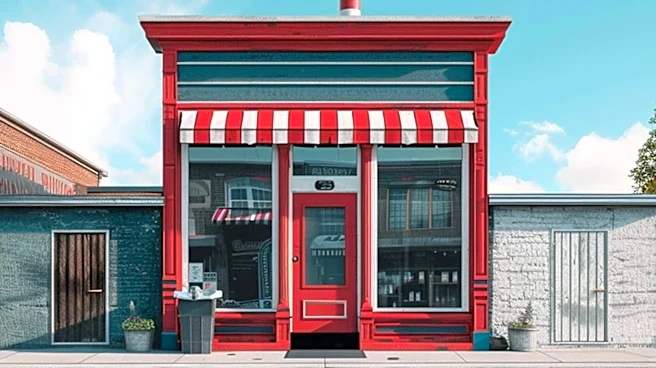
The RealReal, an online marketplace for authenticated luxury resale goods, has announced the opening of its first physical store in Massachusetts, located at The Street Chestnut Hill. This new 1800 sq. ft. store, set to open on October 15, will offer
personalized consignment services, expert valuations, and a curated shopping experience for authenticated luxury items across various categories including women's and men's fashion, handbags, fine jewelry, watches, and accessories. The company chose Chestnut Hill due to its strong community of buyers and consignors in Greater Boston and the area's affluent demographic. The RealReal's Chief Merchandising Officer, Samantha McCandless, highlighted that the physical store aims to bring the circular luxury experience to life, allowing customers to consign items and discover new pieces in person. The move reflects a growing consumer trend where resale is increasingly viewed as a primary destination for luxury shopping, not just an alternative.
Why It's Important?
This expansion by The RealReal signifies a strategic shift in the luxury resale market, emphasizing the importance of a hybrid online-offline model to cater to evolving consumer preferences. The opening of physical stores allows for direct customer engagement, offering personalized services like one-on-one consultations and expert valuations, which can build greater trust and enhance the overall shopping experience for high-value luxury goods. This is particularly important in the resale sector where authenticity is paramount. The RealReal's 2026 Resale Report indicates a significant increase in demand for vintage items, up 432% since 2020, and a more knowledgeable luxury consumer base. By establishing a physical presence in key markets like Boston, The RealReal can tap into this growing demand, attract new consignors and buyers, and solidify its position as a leader in the authenticated luxury resale market. This move also reflects a broader trend in retail where e-commerce giants are increasingly investing in brick-and-mortar locations to create a more comprehensive and accessible customer journey.
What's Next?
Following the opening of its Chestnut Hill store, The RealReal is likely to continue evaluating the performance of its physical retail locations to inform future expansion strategies. The company's focus will be on integrating the in-store experience with its online platform, leveraging its proprietary technology, including AI and machine learning, to optimize pricing and processing for both online and in-person transactions. The success of this new store could lead to further physical expansions in other affluent U.S. markets where there is a strong community of luxury buyers and consignors. The RealReal will also likely continue to monitor consumer trends, particularly the increasing engagement of Gen Z and Millennials with pre-owned luxury, to tailor its offerings and marketing efforts. The company's ability to maintain a high standard of authentication and provide a seamless customer experience across all channels will be crucial for its continued growth and market leadership in the luxury resale sector.
Beyond the Headlines
The RealReal's expansion into physical retail underscores a deeper cultural and economic shift towards circularity and sustainability within the luxury market. By extending the life of luxury goods, the company contributes to a more sustainable consumption model, appealing to environmentally conscious consumers. This move also highlights the evolving perception of pre-owned luxury, which is no longer seen as merely a discounted alternative but as a legitimate and desirable segment of the luxury market, offering unique and hard-to-find pieces. The emphasis on expert authentication and personalized services in physical stores addresses the inherent trust issues often associated with online resale, thereby elevating the status and credibility of the entire luxury resale industry. This trend suggests a future where the lines between new and pre-owned luxury continue to blur, with consumers increasingly valuing individuality, craftsmanship, and the story behind each item, regardless of its original purchase point.